Gateway to Egypt's ancient Nubian temple complex.
Location
Abu Simbel, Egypt
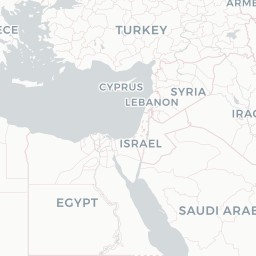
Abu Simbel Airport (IATA: ABS, ICAO: HEBL) is a small domestic airport serving the town of Abu Simbel in southern Egypt, near the border with Sudan. It is situated close to Lake Nasser and the UNESCO World Heritage Site of the Abu Simbel temples, built by Ramesses II.
The airport primarily handles tourist traffic drawn to the famous rock temples, which were relocated in the 1960s to save them from rising Nile waters caused by the construction of the Aswan High Dam. Flights connect Abu Simbel mainly to Cairo and Aswan, making it an important link for visitors touring Upper Egypt.
Due to the remote location and limited local population, the airport operates on a modest scale with infrequent scheduled services and occasional charter flights, particularly during the biannual Sun Festival when sunlight illuminates the inner sanctum of the Great Temple.
Terminals
The airport has a single small terminal building handling both arrivals and departures for domestic passengers.
Getting to & from
Taxis and organized tour buses are the main ground transport options connecting the airport to the Abu Simbel town and temple sites nearby.
Airlines here
EgyptAir is the primary carrier operating scheduled flights to and from Abu Simbel Airport.
Notable facts
- ›Located approximately 280 km south of Aswan, near the Sudanese border.
- ›Primarily serves tourists visiting the UNESCO-listed Abu Simbel temples of Ramesses II.
- ›Passenger numbers spike during the biannual Sun Festival in February and October.
- ›The airport sits close to the western shore of Lake Nasser.
- ›Runway length is sufficient to accommodate narrow-body jet aircraft used on domestic routes.
This profile is provided for general information only. Details may be inaccurate or outdated — always verify with the airport's official website before acting on them.