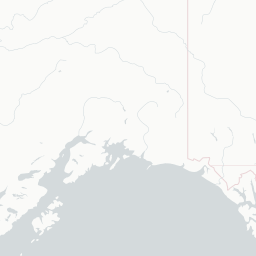

Remote Aleutian Island gateway serving Adak's small community.
Opened
1942
Location
Adak, United States
Adak Airport (IATA: ADK, ICAO: PADK) is a public airport located on Adak Island in the Aleutian Islands of Alaska, United States. It serves the small community of Adak, one of the westernmost populated places in the United States, situated roughly 1,200 miles southwest of Anchorage.
The airport was originally constructed as a U.S. Navy military facility during World War II and later expanded during the Cold War as part of Naval Air Station Adak. Following the closure of the naval station in 1997, the airport was transferred to civilian use and is now managed by the Aleut Corporation and local authorities.
Due to its extreme remoteness and small population, the airport sees very limited commercial air service, with flights primarily connecting Adak to Anchorage. Weather conditions in the Aleutians, including frequent fog, high winds, and precipitation, present significant operational challenges.
Terminals
The airport has a single, modest terminal facility reflecting the very small volume of passengers it serves.
Getting to & from
Ground transportation on Adak Island is extremely limited, with personal vehicles being the primary means of travel between the airport and the small town.
Airlines here
PenAir (Peninsula Airways) has historically provided the primary scheduled commercial service connecting Adak to Anchorage.
Notable facts
- ›Originally built by the U.S. military during World War II following the Japanese occupation of nearby Attu and Kiska islands.
- ›Adak Island is one of the westernmost points in the United States, placing the airport among the country's most remote.
- ›The airport sits at an elevation of approximately 18 feet above sea level.
- ›Naval Air Station Adak, which operated the airfield, was closed in 1997 as part of post-Cold War base realignments.
- ›The airport features a runway long enough to have accommodated large military aircraft during its naval station era.
This profile is provided for general information only. Details may be inaccurate or outdated — always verify with the airport's official website before acting on them.