

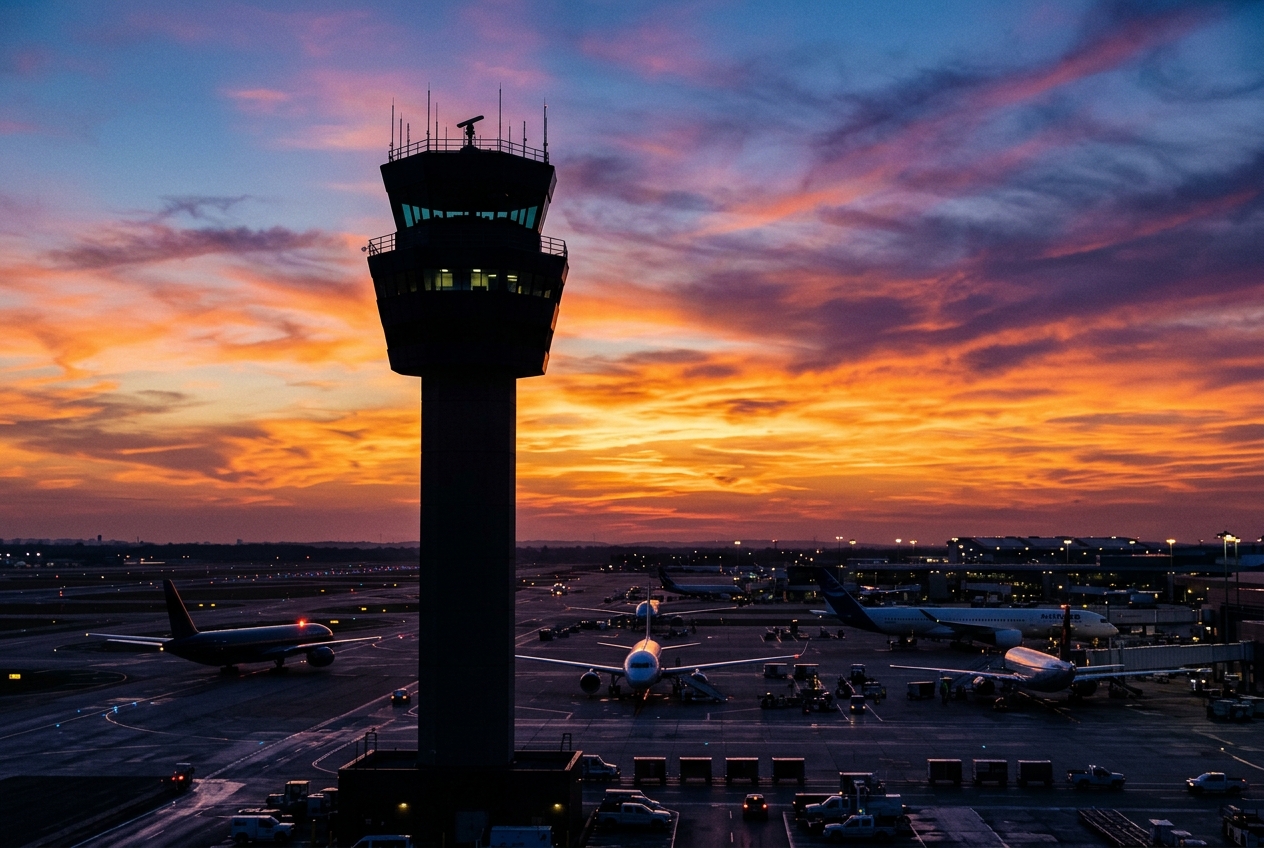
Syria's northern gateway, serving Aleppo and the surrounding region.
Opened
1972
Location
Aleppo, Syria
Aleppo International Airport is located approximately 10 kilometers east of Aleppo city center, in northwestern Syria. It served as the country's second-busiest airport after Damascus International Airport, handling both domestic and regional international traffic.
The airport's operations were severely disrupted by the Syrian Civil War, which began in 2011, with the facility sustaining significant damage and facing prolonged closures. Aleppo itself was a major battleground, and the airport was rendered largely non-operational for extended periods during the conflict.
Following the recapture of Aleppo by Syrian government forces in late 2016, limited efforts to restore airport operations were undertaken. However, full commercial service has remained highly restricted and irregular due to ongoing instability, infrastructure damage, and international sanctions.
Terminals
The airport features a single passenger terminal that has suffered structural and operational damage due to the Syrian Civil War.
Getting to & from
Ground transport to Aleppo city center historically relied on taxis and private vehicles, with no dedicated rail or metro link.
Airlines here
Prior to the conflict, Syrian Arab Airlines operated routes from Aleppo, along with limited regional carriers; service has been minimal or suspended since the war began.
Notable facts
- ›Aleppo International Airport is situated approximately 10 km east of Aleppo's city center.
- ›The airport was one of Syria's principal gateways before the civil war disrupted operations after 2011.
- ›Significant infrastructure damage was sustained during the Syrian Civil War, leaving the airport largely inoperable for years.
- ›Limited flight operations were intermittently resumed after Syrian government forces retook Aleppo in December 2016.
- ›International sanctions and ongoing instability have continued to hamper any substantial recovery of air traffic.
This profile is provided for general information only. Details may be inaccurate or outdated — always verify with the airport's official website before acting on them.
