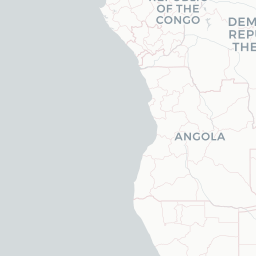

Gateway to central Mozambique on the Indian Ocean coast.
Location
Beira, Mozambique
Beira International Airport (IATA: BEW, ICAO: FQBR) serves Beira, Mozambique's second-largest city and a major port on the Sofala coast. The airport is a key hub for domestic and regional air travel in central Mozambique, connecting the city to Maputo and several southern African destinations.
The airport was significantly impacted by Cyclone Idai in March 2019, which caused severe damage to Beira and surrounding infrastructure. Recovery and reconstruction efforts followed in subsequent years. The facility handles both commercial passenger services and cargo operations, supporting Beira's role as a regional trade and logistics center.
Operations are managed under Mozambique's national airports authority, AERC (Aeroportos de Moçambique). The airport serves airlines including LAM Mozambique Airlines and regional carriers providing links to Johannesburg, Maputo, and other southern African cities.
Terminals
The airport operates a single terminal handling both domestic and international passenger traffic.
Getting to & from
Ground transport into central Beira is primarily by taxi and private vehicle, with the airport located a few kilometers from the city center.
Airlines here
LAM Mozambique Airlines is the primary carrier, with regional services connecting to South Africa and other Mozambican cities.
Notable facts
- ›Beira is Mozambique's second-largest city and an important regional port.
- ›The airport and city sustained severe damage from Cyclone Idai in March 2019.
- ›The airport supports both passenger and cargo operations for central Mozambique.
- ›It serves as a key entry point for humanitarian and relief operations in the region.
- ›Managed by Aeroportos de Moçambique (AERC), the national airports authority.
This profile is provided for general information only. Details may be inaccurate or outdated — always verify with the airport's official website before acting on them.