Translate


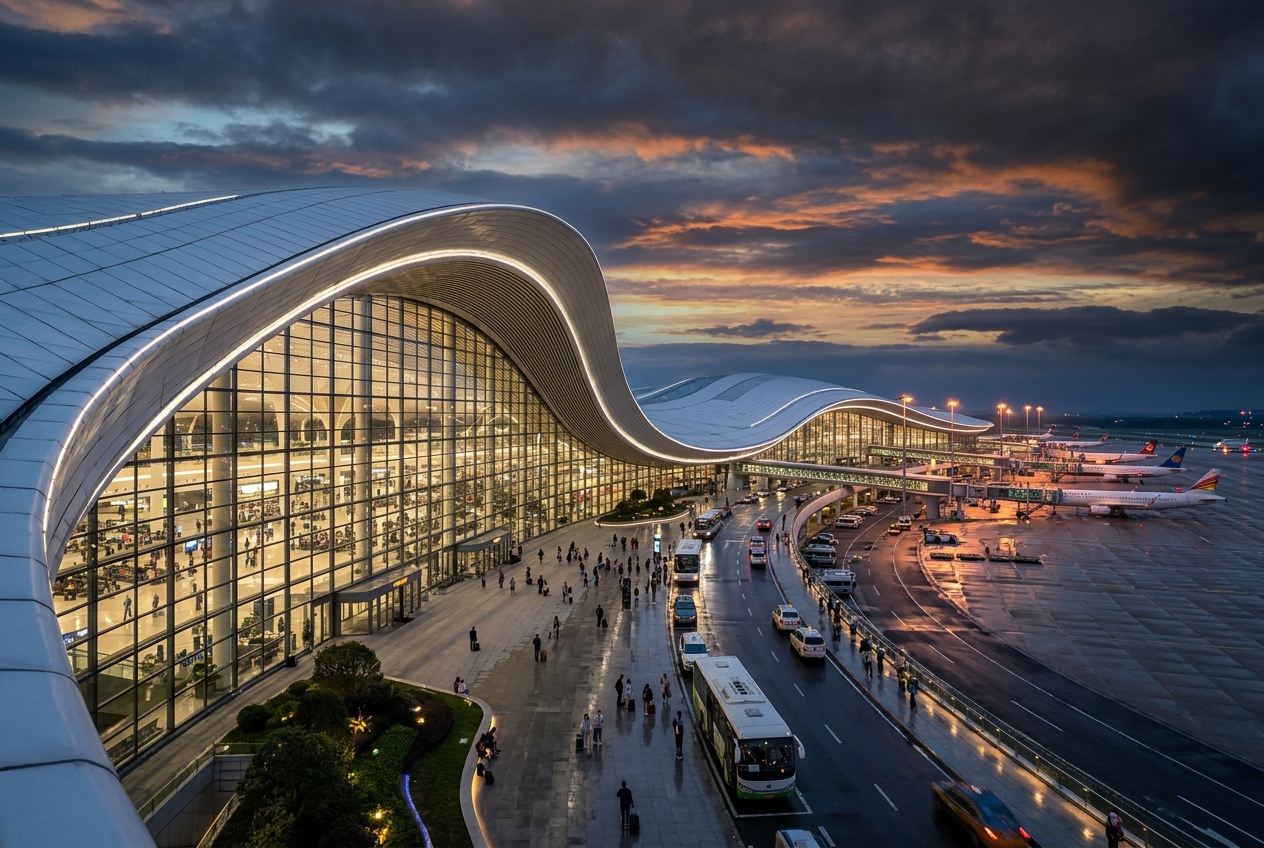
Australia's national capital gateway airport.
Opened
1924
Location
Canberra, Australia
Canberra Airport (IATA: CBR, ICAO: YSCB) serves the Australian Capital Territory and the surrounding region, acting as the primary air gateway to Australia's federal capital. It handles both domestic and international flights, connecting Canberra to major Australian cities as well as select international destinations.
The airport is privately owned and operated by Capital Airport Group, which acquired it following the privatisation of federal airports in 1996. It has undergone significant redevelopment since privatisation, including the construction of a new terminal precinct and expanded facilities.
Canberra Airport also hosts a significant general aviation and defence presence, with RAAF Base Fairbairn co-located on the site, making it a dual-use civil and military aviation facility.
Terminals
The airport features a single integrated terminal building handling both domestic and international passengers, with separate check-in and processing areas for each.
Getting to & from
Canberra Airport is connected to the city centre by road, with taxi, rideshare, and bus services available; the airport is approximately 8 kilometres from the Canberra CBD.
Airlines here
Major airlines operating at Canberra Airport include Qantas, Virgin Australia, and Rex (Regional Express), with international services previously operated by Singapore Airlines and Qatar Airways.
Notable facts
- ›Capital Airport Group has invested over AUD 1 billion in airport redevelopment since privatisation.
- ›RAAF Base Fairbairn shares the airfield, giving the site a dual civil-military function.
- ›The airport opened in its earliest form in 1924, making it one of Australia's oldest airports.
- ›International services have been limited historically due to Canberra's smaller population base.
- ›The airport precinct includes a business park and hotel developments managed by Capital Airport Group.
This profile is provided for general information only. Details may be inaccurate or outdated — always verify with the airport's official website before acting on them.