
AirlinesAirports.com
Travel planning byTravelerPulse.pro
Gisborne Airport Mountain Airport illustrationMountain Airport
Airports
GISmedium airport

Gisborne Airport

Gisborne, New Zealand
Explore Gisborne city guide Navigate to this airport
2
Routes out
2
Destinations
NZGS
ICAO
15 ft
Elevation
AirlinesAirports profile

Gateway to the East Coast of New Zealand's North Island.

Opened
1942
Location
Gisborne, New Zealand
Gisborne Airport (IATA: GIS, ICAO: NZGS) is a regional airport serving Gisborne, a city on the East Coast of New Zealand's North Island. It is one of the closest airports in the world to the International Date Line, making Gisborne among the first cities to greet each new day. The airport handles domestic scheduled services connecting Gisborne to major New Zealand cities, primarily Auckland and Wellington. It plays an important role in regional connectivity for the Tairāwhiti region, supporting both passenger and freight operations. The facility is owned and operated by Gisborne District Council and features a modest terminal suited to its regional traffic volumes. The surrounding area is known for viticulture, forestry, and agriculture, all of which benefit from the airport's freight capabilities.
Terminals
The airport has a single small terminal building serving domestic passengers with basic check-in, lounge, and baggage facilities.
Getting to & from
Ground transport to and from the airport includes taxis and rental cars, with the airport located approximately 3 kilometres from the Gisborne city centre.
Airlines here
Air New Zealand operates scheduled domestic services through Gisborne Airport, connecting the city to Auckland and Wellington.
Notable facts
  • ›Gisborne Airport is situated close to the International Date Line, making it one of the first airports in the world to receive each new day.
  • ›The airport is owned and operated by the Gisborne District Council.
  • ›It serves the Tairāwhiti region, supporting both passenger travel and freight for local industries including forestry and viticulture.
  • ›The airport has a single sealed runway designated 14/32.
  • ›Gisborne city is historically significant as one of the first places in the world to see the sunrise each day.
This profile is provided for general information only. Details may be inaccurate or outdated — always verify with the airport's official website before acting on them.
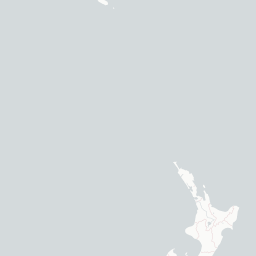
Route map (2 destinations)

Leaflet © OpenStreetMap © CARTO

Airlines serving this airport

Routes

GIS → AKLNZ · DH3 BEH
GIS → WLGNZ · BEH
Hotels near GIS

Pick what matters for your layover or early flight, then compare on your favorite booking site.

Compare stays for your dates

AirlinesAirports may receive compensation when you book or purchase through some of the links on this page, at no additional cost to you. Prices and availability are set by the booking provider and may change. We never share your private trip details with partners — only the destination, dates and party size you searched.

City & Place Guide

First city to greet each new day on Earth.

Gisborne sits on the East Coast of New Zealand's North Island, cradled by Poverty Bay and surrounded by hills covered in vineyards and native bush. It holds the distinction of being one of the first cities in the world to see the sunrise each day, a fact locals celebrate with pride.

The city is relaxed and unhurried, with a strong Māori cultural heritage, excellent surf beaches, and a thriving wine scene built on Chardonnay and Gewürztraminer. It draws surfers, foodies, and those seeking an authentic slice of provincial New Zealand life away from the tourist trail.

  • •Kaiti Hill Lookout — panoramic views over Poverty Bay and the city at sunrise or sunset.
  • •Midway and Wainui Beaches — long sandy breaks beloved by surfers and swimmers.
  • •Tairāwhiti Museum — rich Māori taonga and regional history in a compact, well-curated space.
  • •Eastwoodhill Arboretum — New Zealand's largest collection of northern hemisphere trees, stunning in autumn.
  • •Te Poho-o-Rawiri Marae — one of New Zealand's largest meeting houses, open for guided visits.
  • •Poverty Bay Wine Trail — cellar doors showcasing award-winning whites and Bordeaux-style reds.

Getting around: Gisborne is best explored by car, as public transport is limited to a small local bus network with infrequent services. Taxis and a handful of rideshare options are available in town, and most accommodation can arrange transfers. Cycling is feasible on flat coastal routes, and many attractions are within a short drive of the city centre.

Best time: Late summer to early autumn, from February through April, offers warm temperatures, calm seas, and the grape harvest festival atmosphere.

Local food: Try freshly caught blue cod or crayfish at a local restaurant, sip estate-poured Chardonnay at a Poverty Bay cellar door, and seek out hāngī on cultural occasions for a traditional Māori earth-cooked feast.

This guide is provided for general information only. Verify details locally before making travel decisions.

Passport, Visa & Immigration

Flying internationally via GIS? Check entry, transit and customs requirements for New Zealand from official government sources.

Gisborne Airport
Encyclopaedia

Gisborne Airport is a regional airport located in the suburb of Elgin, 4.2 km (2.6 mi) from the city centre of Gisborne on the east coast of the North Island of New Zealand. Gisborne Airport is one of the few airports in the world that has a railway line, the Palmerston North–Gisborne Line, crossing the main runway. The airport has a single terminal with four tarmac gates. Gisborne Airport covers an area of around 160 ha. It includes a sealed and night-capable runway at 1,310 m (4,300 ft) in length, as well as three grass runways suitable for light aircraft.

Read full article on Wikipedia

Entity data from open aviation datasets (OurAirports, OpenFlights) with AI-assisted editorial clearly marked. Always confirm time-sensitive details with the official airport website. Sources & verification