
AirlinesAirports.com
Travel planning byTravelerPulse.pro
Qeshm International Airport International Hub illustrationInternational Hub
Airports
GSMlarge airport

Qeshm International Airport

Explore Qeshm(Dayrestan) city guide Navigate to this airport
8
Routes out
5
Destinations
OIKQ
ICAO
45 ft
Elevation
AirlinesAirports profile

Gateway to Iran's largest island in the Persian Gulf.

Location
Qeshm, Iran
Qeshm International Airport (IATA: GSM, ICAO: OIKQ) serves Qeshm Island, the largest island in the Persian Gulf and a designated free trade zone in Iran. The airport connects the island to major Iranian cities and facilitates tourism and commerce for this strategically important region. The airport handles both domestic and limited international traffic, supporting the growth of Qeshm's free trade zone, which attracts business activity and tourism due to its duty-free status. Its facilities have been developed to accommodate the increasing number of visitors to the island's natural attractions, including the Hara mangrove forests and the Chahkooh canyon. As a regional hub for Qeshm, the airport plays a vital role in linking the island's approximately 150,000 residents and numerous visitors to the rest of Iran, with flights primarily to Tehran and other major Iranian cities.
Terminals
The airport operates a single passenger terminal handling both domestic and limited international flights.
Getting to & from
Ground transport from the airport to Qeshm city and other parts of the island is available via taxis and private vehicles, as the island lacks a formal public transit network.
Airlines here
Airlines serving Qeshm International Airport include Iran Air, Mahan Air, and Qeshm Air, the latter being based on the island itself.
Notable facts
  • ›Qeshm Island is the largest island in the Persian Gulf and a designated free trade zone.
  • ›Qeshm Air, a regional Iranian airline, is based on the island and uses GSM as its home airport.
  • ›The airport supports tourism to Qeshm's notable natural sites, including UNESCO-recognized mangrove forests.
  • ›The free trade zone status of Qeshm Island means the airport handles significant cargo and commercial traffic.
  • ›Qeshm Island is located near the Strait of Hormuz, giving it significant strategic importance.
This profile is provided for general information only. Details may be inaccurate or outdated — always verify with the airport's official website before acting on them.

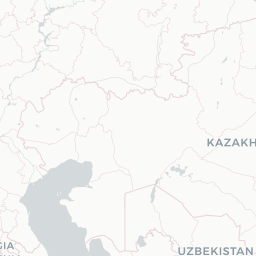
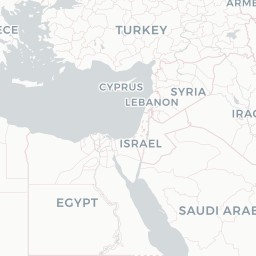
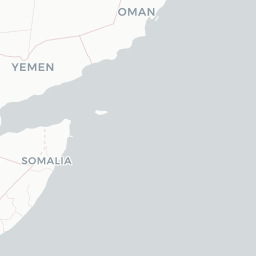
Route map (5 destinations)

Leaflet © OpenStreetMap © CARTO

Routes

GSM → MHDB9 · M82
GSM → SYZEP · AT7
GSM → MHDIR · M82
GSM → THRIR · 100 320
GSM → DXBQB · F50
GSM → KIHQB · F50
GSM → SYZQB · F50
GSM → DXBY9 · F50
Hotels near GSM

Pick what matters for your layover or early flight, then compare on your favorite booking site.

Compare stays for your dates

AirlinesAirports may receive compensation when you book or purchase through some of the links on this page, at no additional cost to you. Prices and availability are set by the booking provider and may change. We never share your private trip details with partners — only the destination, dates and party size you searched.

City & Place Guide

Iran's wild island of geology, mangroves, and ancient wonder.

Qeshm Island, located in the Strait of Hormuz in southern Iran, is the largest island in the Persian Gulf and home to a UNESCO-recognized Geopark. The Dayrestan area serves as a hub for exploring the island's dramatic natural formations, traditional villages, and rich maritime heritage.

Despite being a free-trade zone with modern amenities, Qeshm retains a deeply authentic character. Portuguese ruins, colorful fishing boats, and wind-catchers dotting adobe villages create a landscape unlike anywhere else in Iran.

The island is increasingly popular with eco-tourists and adventure travelers drawn to its harra mangrove forests, sea turtles, and surreal geological attractions like the Valley of Stars and Chahkooh Canyon.

  • •Valley of Stars — otherworldly eroded sandstone formations legendary in local folklore.
  • •Chahkooh Canyon — a narrow, winding canyon with stunning layered rock walls.
  • •Harra Forest — rare mangrove ecosystem perfect for kayaking and birdwatching.
  • •Portuguese Castle — 16th-century fortress overlooking the harbor in Qeshm Town.
  • •Namakdan Salt Cave — one of the world's longest salt caves open to visitors.
  • •Laft Village — a preserved traditional port town famous for its wind-catchers.

Getting around: Qeshm has no rail system; travelers rely on shared taxis, private taxis, and minibuses that connect Qeshm Town with major villages and attractions. Renting a motorcycle or car is the most flexible option for reaching remote sites like the Valley of Stars. Ride-hailing apps have limited coverage, so arranging a local driver through your accommodation is highly recommended.

Best time: October through March offers the most comfortable temperatures, avoiding the intense humidity and heat of the summer months.

Local food: Try fresh grilled hammour fish, spiced saffron rice dishes, locally caught shrimp, and traditional Bandari-style curries seasoned with unique Persian Gulf spice blends.

This guide is provided for general information only. Verify details locally before making travel decisions.

Passport, Visa & Immigration

Flying internationally via GSM? Check entry, transit and customs requirements for Iran from official government sources.

Qeshm International Airport
Encyclopaedia

Qeshm International Airport is an international airport near the village of Dayrestan, roughly in the centre of Qeshm Island, off the south coast of Iran.

Read full article on Wikipedia

Entity data from open aviation datasets (OurAirports, OpenFlights) with AI-assisted editorial clearly marked. Always confirm time-sensitive details with the official airport website. Sources & verification