Translate


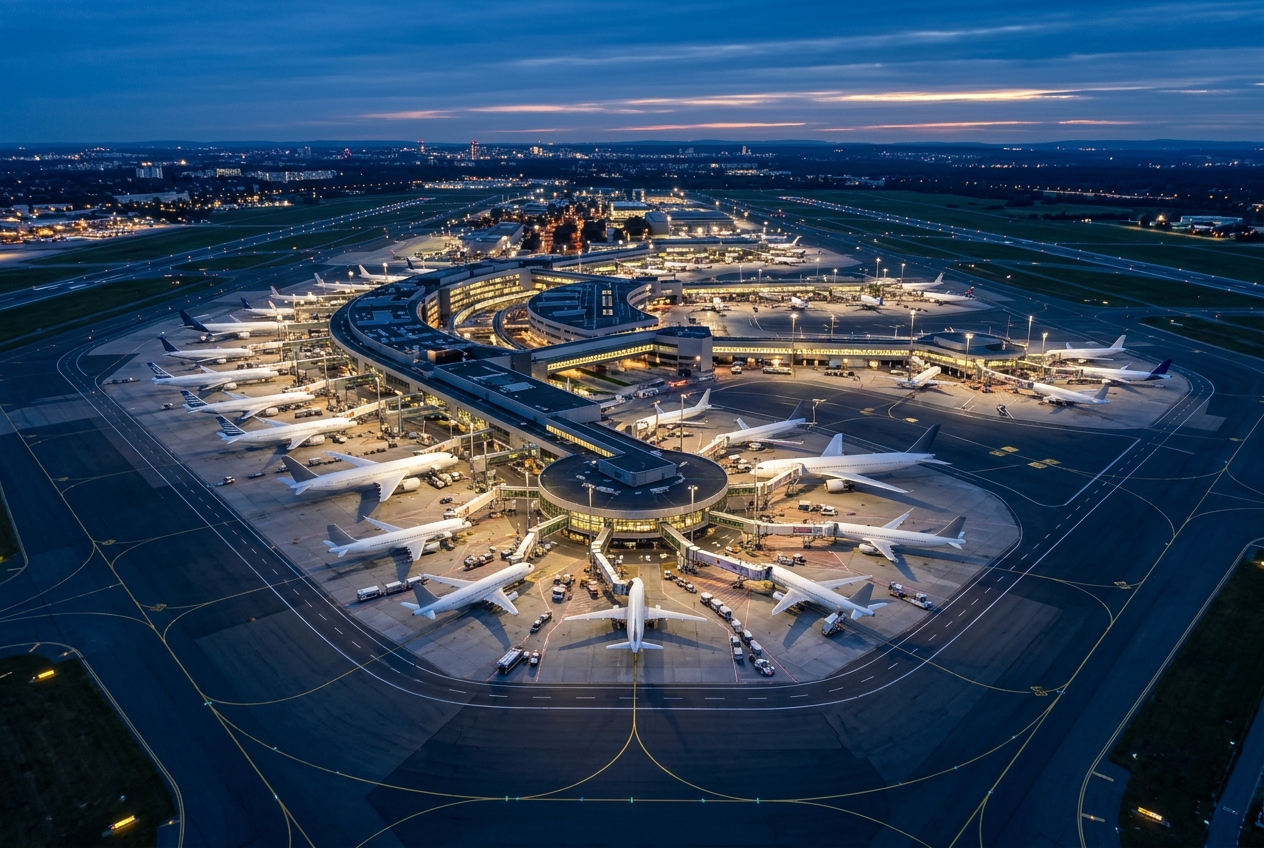
Kerman Province's principal international gateway in southeastern Iran.
Location
Kerman, Iran
Ayatollah Hashemi Rafsanjani International Airport, designated by IATA code KER and ICAO code OIKK, serves Kerman, the capital of Kerman Province in southeastern Iran. The airport is named after former Iranian president Akbar Hashemi Rafsanjani and functions as the primary air hub for one of Iran's largest and historically significant provinces.
The airport handles both domestic and limited international traffic, connecting Kerman to Tehran and other major Iranian cities. Given Kerman's importance as a center for pistachio production, copper mining, and tourism to sites such as the ancient city of Bam and the Shahdad Kaluts desert, the airport plays a meaningful economic and logistical role in the region.
Infrastructure and capacity have been incrementally developed over the years to accommodate growing passenger demand, though the airport remains mid-sized by national standards.
Terminals
The airport operates with a single passenger terminal handling domestic and international arrivals and departures.
Getting to & from
Ground transport options between the airport and Kerman city center include taxis and private vehicles, with the airport located approximately 7–9 kilometers from the city center.
Airlines here
Iran Air, Mahan Air, Qeshm Air, and Zagros Airlines are among the carriers operating scheduled domestic services through Kerman.
Notable facts
- ›The airport is named after former Iranian President Akbar Hashemi Rafsanjani, who died in 2017.
- ›Kerman Province is one of Iran's largest provinces, and the airport serves as its main aviation hub.
- ›The airport supports tourism to nearby UNESCO-listed and heritage sites including the ancient city of Bam.
- ›Kerman is a major global center for pistachio cultivation and copper mining, industries supported by air cargo and business travel through the airport.
- ›The airport's ICAO code OIKK reflects its location within the Iran (OI) FIR and Kerman region.
This profile is provided for general information only. Details may be inaccurate or outdated — always verify with the airport's official website before acting on them.