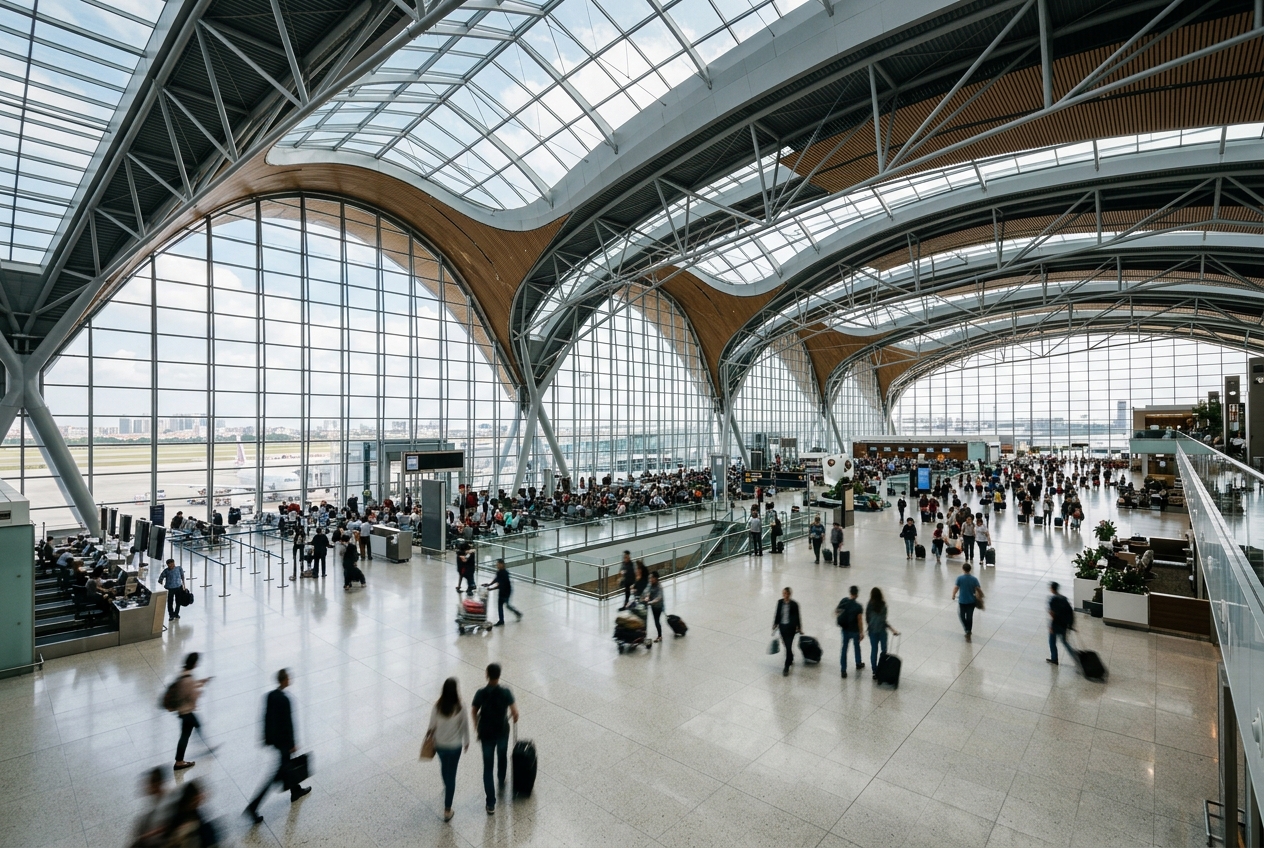
Central Kazakhstan's primary gateway serving Karaganda region.
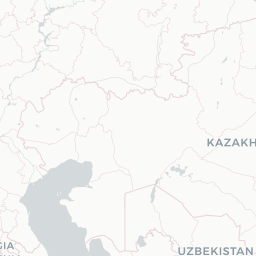
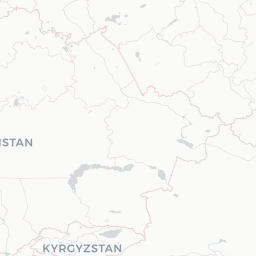
Location
Karaganda, Kazakhstan
Sary-Arka Airport (KGF/UAKK) is the main commercial airport serving Karaganda, the fourth-largest city in Kazakhstan and a major industrial center. The airport is named after the Sary-Arka steppe landscape of central Kazakhstan and handles both domestic and limited international traffic.
The facility supports connections to Almaty, Astana (Nur-Sultan), and other points within Kazakhstan, playing an important role in linking the Karaganda industrial region to the rest of the country. It has undergone modernization efforts in recent years to improve passenger handling capacity.
Karaganda is historically significant as a former Soviet industrial hub, and the airport reflects the city's continued economic importance in Kazakhstan's mining and manufacturing sectors.
Terminals
The airport operates a single passenger terminal handling domestic and international arrivals and departures.
Getting to & from
Ground transport between the airport and central Karaganda is available via taxi and minibus (marshrutka) services.
Airlines here
Air Astana and SCAT Airlines are among the primary carriers offering scheduled service through Sary-Arka Airport.
Notable facts
- ›Named after the Sary-Arka steppe region of central Kazakhstan.
- ›Serves one of Kazakhstan's most important industrial and mining cities.
- ›Handles primarily domestic routes with some limited CIS international connections.
- ›Located in a region historically associated with Soviet-era coal mining and industry.
- ›ICAO code UAKK places it within Kazakhstan's airspace management system.
This profile is provided for general information only. Details may be inaccurate or outdated — always verify with the airport's official website before acting on them.