Translate


Gateway to the Bay of Islands, Northland's scenic hub.
Location
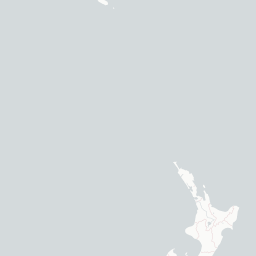
Kerikeri, New Zealand
Kerikeri Airport (IATA: KKE, ICAO: NZKK) is a regional airport serving Kerikeri and the wider Bay of Islands area in Northland, New Zealand. It provides scheduled air connections primarily to Auckland, making it an important link for both residents and tourists visiting the region.
The airport is owned and operated by the Far North District Council and handles a modest volume of passengers each year, reflecting its regional status. Its surroundings feature the lush, subtropical landscape characteristic of Northland.
The Bay of Islands is one of New Zealand's most popular tourist destinations, known for its scenic coastline, sailing, and historical significance, and Kerikeri Airport serves as a key access point for visitors arriving by air.
Terminals
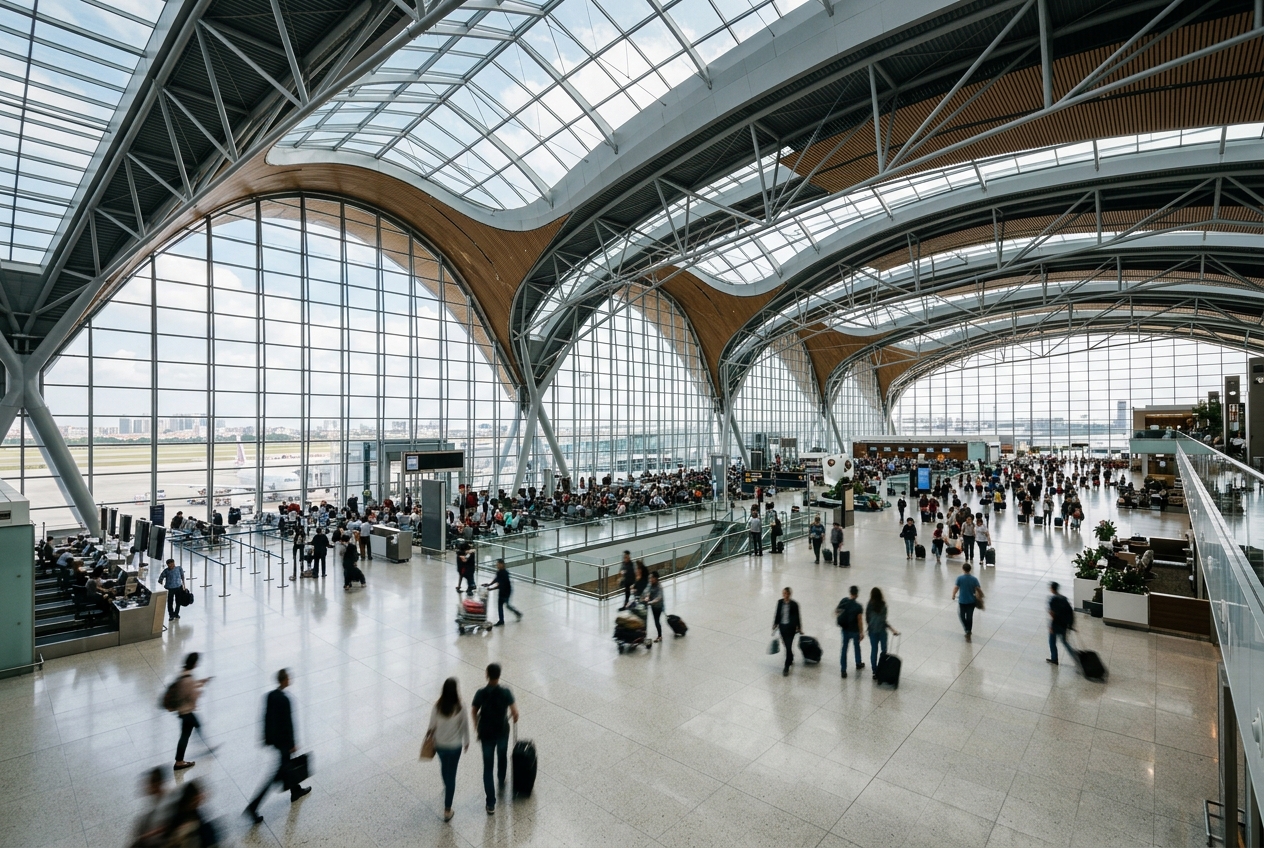
The airport has a single small terminal building suited to its regional passenger volumes.
Getting to & from
Ground transport options include rental cars and taxis, with the airport located approximately 7 kilometres from Kerikeri township.
Airlines here
Air New Zealand operates scheduled services between Kerikeri and Auckland via its regional partners.
Notable facts
- ›Serves the Bay of Islands, one of New Zealand's premier tourist destinations.
- ›Owned and operated by the Far North District Council.
- ›Primary scheduled route connects Kerikeri to Auckland.
- ›The airport sits in a subtropical region known for its warm climate and scenic landscapes.
- ›Has a single sealed runway capable of accommodating small regional aircraft.
This profile is provided for general information only. Details may be inaccurate or outdated — always verify with the airport's official website before acting on them.