Translate


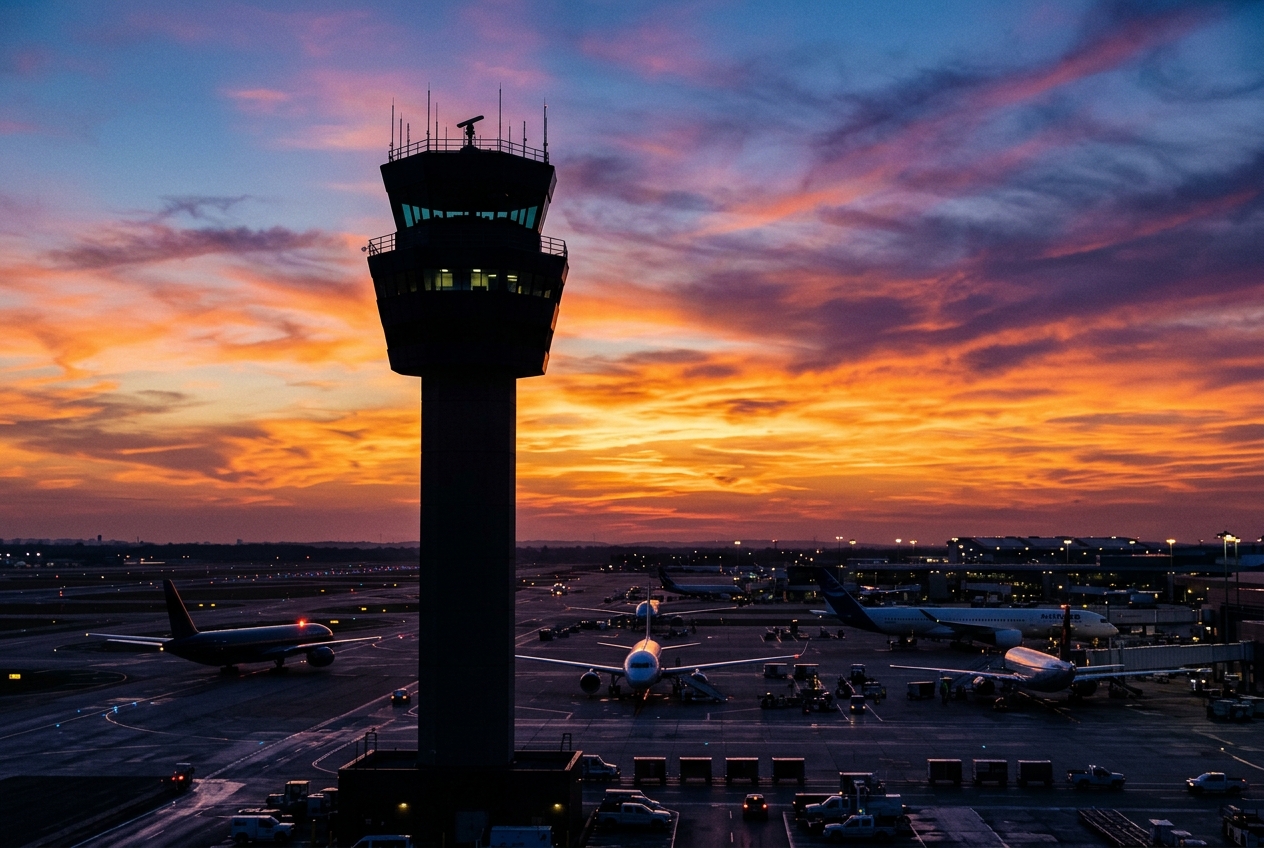
Gateway to Venezuela's oil-rich Zulia state.
Opened
1969
Location
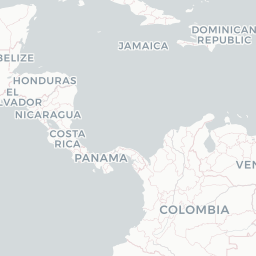
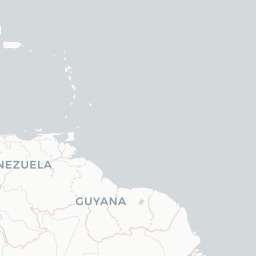
Maracaibo, Venezuela
La Chinita International Airport (IATA: MAR, ICAO: SVMC) serves Maracaibo, Venezuela's second-largest city and the capital of Zulia state. It is one of the busiest airports in Venezuela and functions as the primary air gateway for the country's petroleum-producing western region.
The airport handles both domestic and international flights, connecting Maracaibo to Caracas and other Venezuelan cities as well as select destinations in the Americas. Its traffic volumes have historically reflected the economic activity of the oil industry centered in and around Lake Maracaibo.
In recent years, like many Venezuelan airports, La Chinita has experienced reduced operations due to the country's broader economic crisis, airline departures, and declining passenger numbers.
Terminals
The airport operates with a single main terminal building handling both domestic and international passenger traffic.
Getting to & from
Ground transport into Maracaibo city center is primarily available via taxi and private vehicles, as formal public transit connections are limited.
Airlines here
Conviasa and other Venezuelan domestic carriers have operated at La Chinita, along with occasional international services by regional Latin American airlines.
Notable facts
- ›Named after the Virgin of La Chinita, the patron saint of Maracaibo and Zulia state.
- ›Located approximately 25 kilometers southwest of central Maracaibo.
- ›Historically one of Venezuela's two busiest airports alongside Caracas's Simón Bolívar International Airport.
- ›Serves the Lake Maracaibo basin, one of the world's most significant oil-producing regions.
- ›International traffic has significantly declined since the mid-2010s due to Venezuela's economic crisis.
This profile is provided for general information only. Details may be inaccurate or outdated — always verify with the airport's official website before acting on them.