 Translate


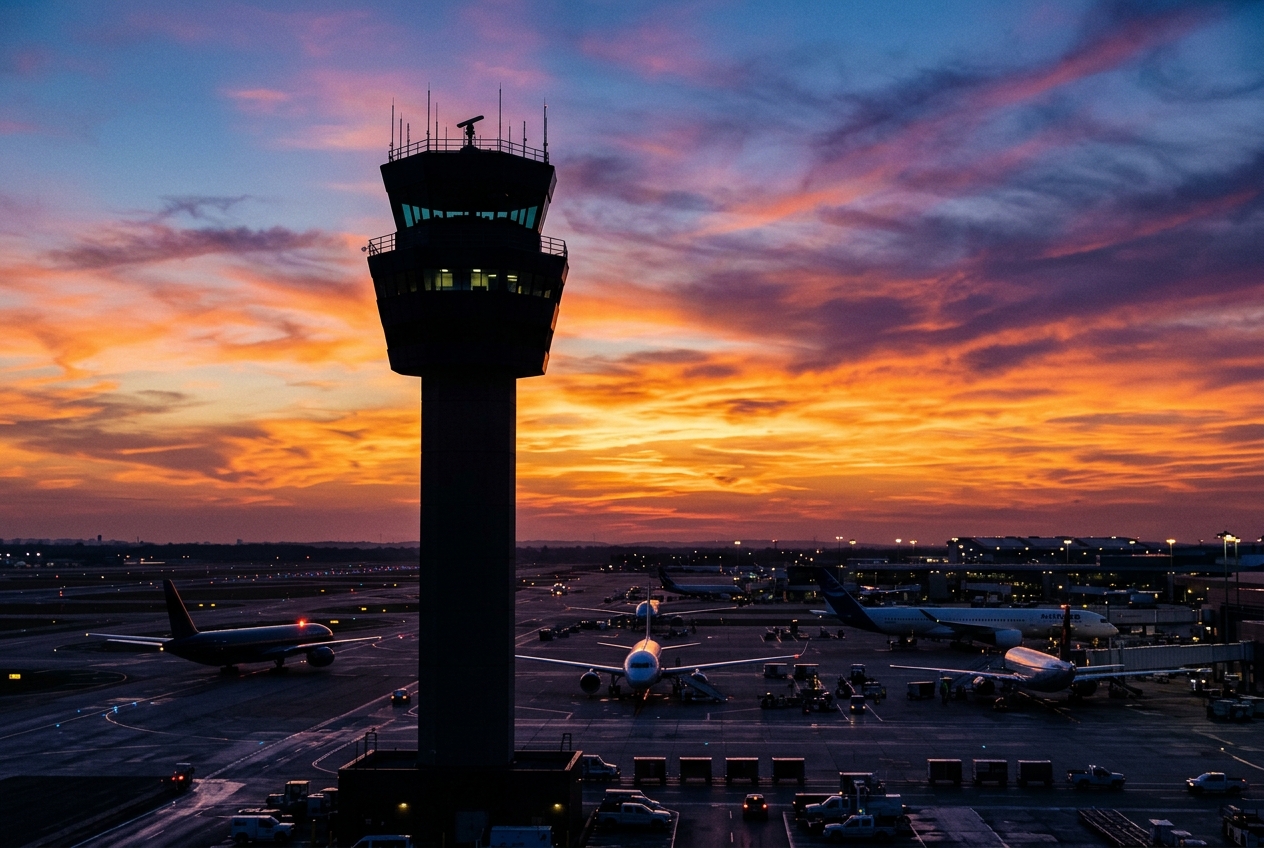
World's lowest airport, beside the Dead Sea.
Location
Masada, Israel
Bar Yehuda Airfield is a small domestic airfield located near Masada and the Dead Sea in Israel. It sits at approximately 1,240 feet (378 meters) below sea level, making it the lowest airport in the world by elevation.
The airfield serves light aircraft and occasional charter flights, primarily supporting tourism to the Dead Sea region and Masada National Park. It is named after Yitzhak Ben-Zvi, the second President of Israel, whose Hebrew name was Bar Yehuda.
Due to its extreme below-sea-level elevation and desert environment, the airfield presents unique operational considerations for aircraft performance. Scheduled commercial service is minimal, and the facility is relatively modest in infrastructure.
Terminals
The airfield has no significant commercial terminal infrastructure, consisting of basic facilities suitable for light general aviation operations.
Getting to & from
Ground access to the airfield is via Route 90, the main road running along the western shore of the Dead Sea.
Notable facts
- ›Holds the record as the lowest airport in the world at approximately 1,240 feet (378 meters) below sea level.
- ›Located adjacent to the Dead Sea, the lowest body of water on Earth.
- ›Named after Yitzhak Ben-Zvi (Bar Yehuda), the second President of Israel.
- ›Primarily serves general aviation and tourism-related traffic to Masada and the Dead Sea.
- ›The extreme below-sea-level altitude affects aircraft engine and lift performance.
This profile is provided for general information only. Details may be inaccurate or outdated — always verify with the airport's official website before acting on them.

