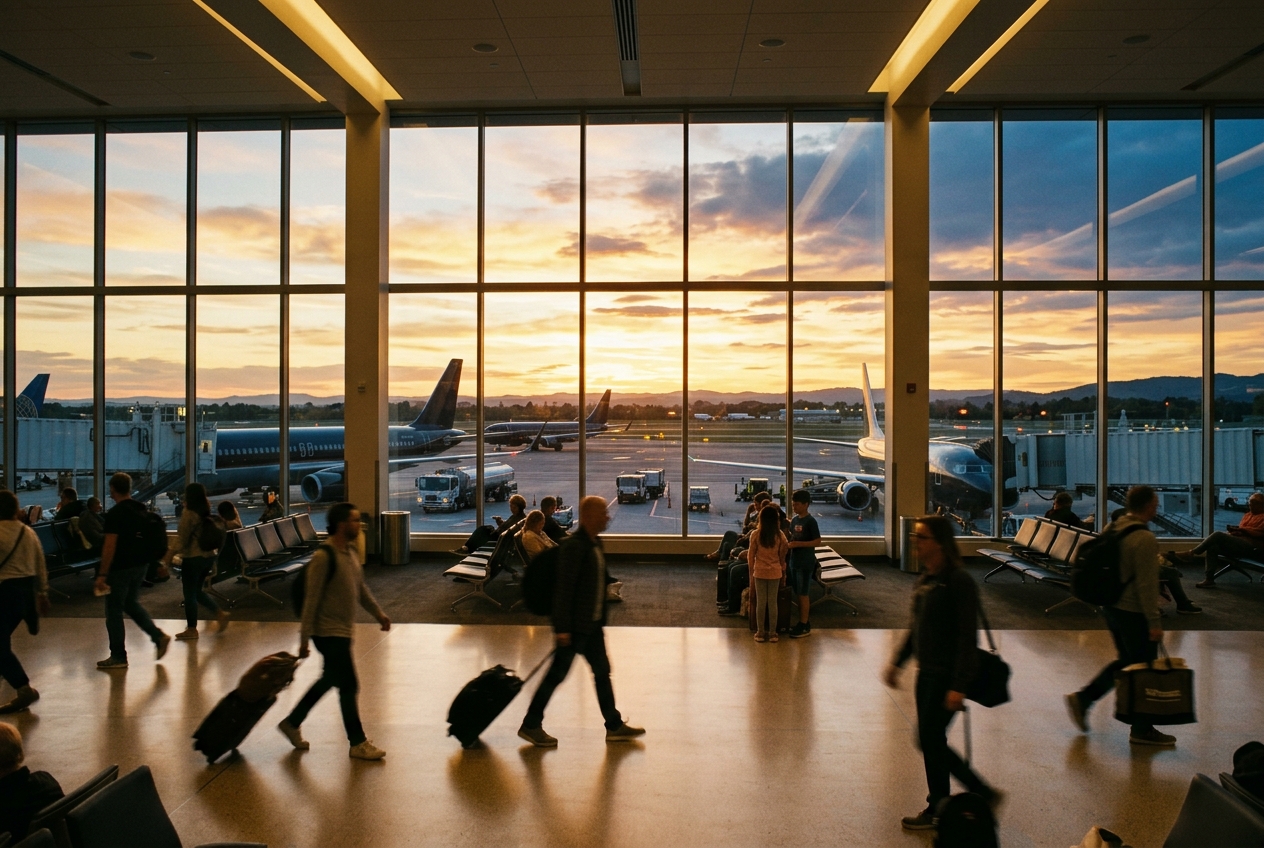
Mauritania's modern gateway to the Saharan capital.
Opened
2016
Location
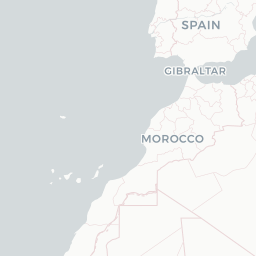
Nouakchott, Mauritania
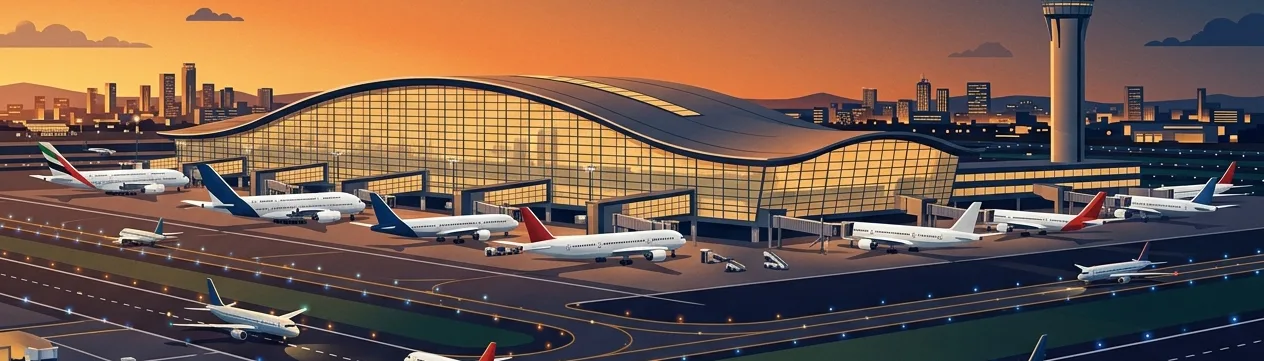
Nouakchott–Oumtounsy International Airport is the primary international airport serving Nouakchott, the capital city of Mauritania. It replaced the older Nouakchott–Dar Saïd Airport (formerly known as Nouakchott Airport) and was built to meet growing passenger demand and modern aviation standards.
The airport is located in the Oumtounsy area, north of Nouakchott city center, and features a contemporary terminal designed to handle significantly higher passenger volumes than the facility it replaced. It serves as the main hub for Mauritania Airlines International and handles connections to destinations across West Africa, North Africa, Europe, and the Middle East.
The facility was developed with support from international financing and represents a significant infrastructure investment for Mauritania, aimed at boosting trade, tourism, and regional connectivity.
Terminals
The airport has a single modern passenger terminal capable of handling several million passengers annually.
Getting to & from
Ground transport options between the airport and Nouakchott city center include taxis and private vehicles, as formal public bus links are limited.
Airlines here
Major airlines operating here include Mauritania Airlines International, Air Arabia, Royal Air Maroc, Air France, and Turkish Airlines.
Notable facts
- ›Replaced the older Nouakchott–Dar Saïd Airport as the city's main international gateway.
- ›Located approximately 25 kilometers north of Nouakchott city center in the Oumtounsy district.
- ›Opened in 2016 and was built with capacity for around 2 million passengers per year.
- ›Serves as the primary hub for Mauritania Airlines International.
- ›The airport was partly financed through international development funds.
This profile is provided for general information only. Details may be inaccurate or outdated — always verify with the airport's official website before acting on them.