Translate


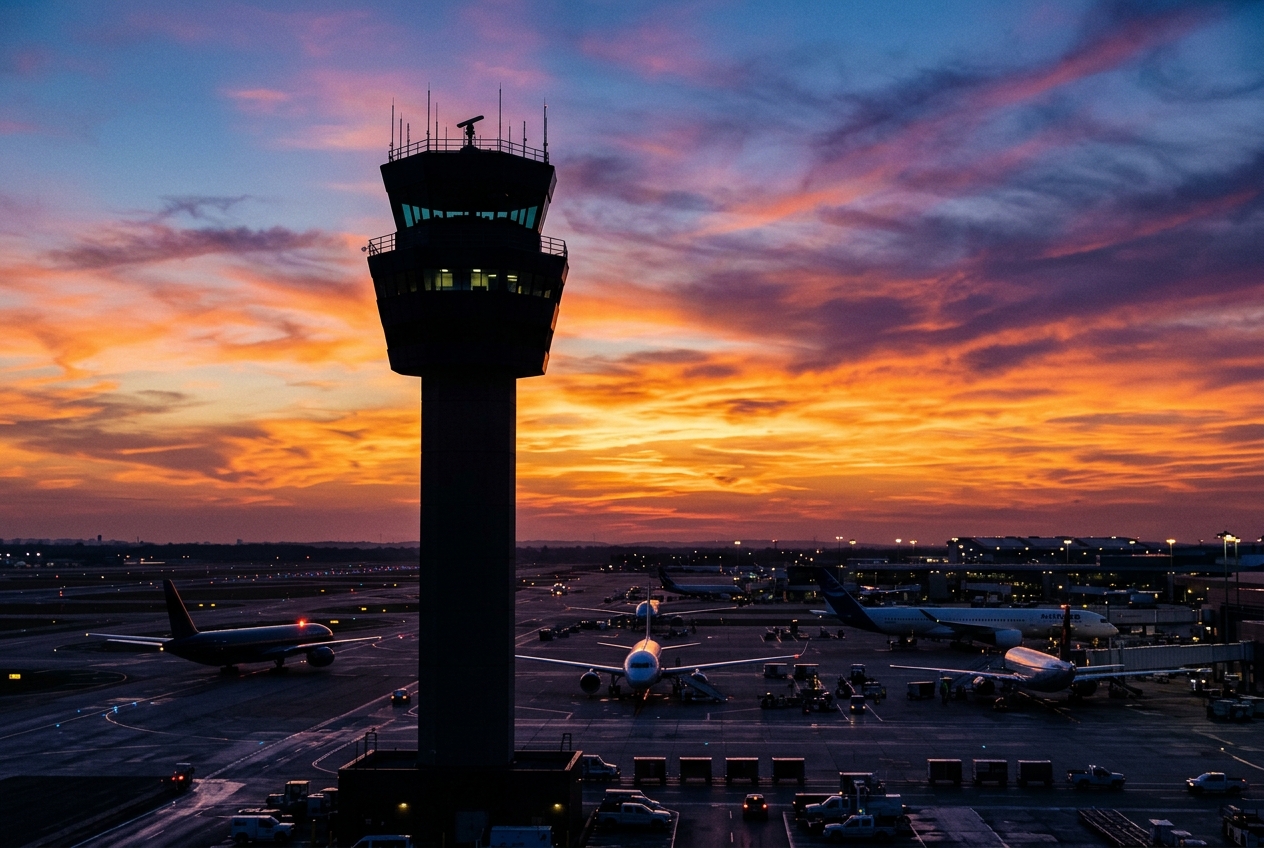
Guinea-Bissau's primary international gateway on the Atlantic coast.
Location
Bissau, Guinea-Bissau
Osvaldo Vieira International Airport is the main commercial airport serving Bissau, the capital of Guinea-Bissau. Named after Osvaldo Vieira, a military and political figure in the country's independence movement, it is the country's only international airport.
The airport handles a modest volume of traffic, primarily connecting Bissau to destinations in West Africa and Europe. Its infrastructure has faced challenges related to limited funding and maintenance, though international efforts have supported periodic improvements.
Due to Guinea-Bissau's political instability over the decades, the airport has occasionally been affected by disruptions, but it remains the critical hub for air travel in and out of the country.
Terminals
The airport has a single terminal building handling both domestic and international passenger traffic.
Getting to & from
Ground transport into central Bissau is primarily available via taxi, with no formal rail or bus rapid transit link to the city.
Airlines here
TACV Cabo Verde Airlines and TAP Air Portugal have historically served the airport, along with regional African carriers.
Notable facts
- ›Named after Osvaldo Vieira, a leader in Guinea-Bissau's independence struggle.
- ›It is the only international airport in Guinea-Bissau.
- ›The airport has a single asphalt runway.
- ›Elevation is approximately 129 feet (39 meters) above sea level.
- ›The airport has been subject to periodic closures linked to the country's political instability.
This profile is provided for general information only. Details may be inaccurate or outdated — always verify with the airport's official website before acting on them.