
Suriname's primary international gateway near Paramaribo.
Opened
1945
Location
Paramaribo, Suriname
Johan Adolf Pengel International Airport (IATA: PBM, ICAO: SMJP) is the main international airport serving Paramaribo, the capital of Suriname. Named after Johan Adolf Pengel, a prominent Surinamese politician and former Prime Minister, the airport handles the majority of the country's international passenger and cargo traffic.
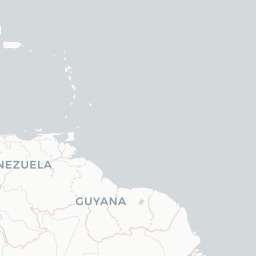
The airport is located approximately 45 kilometers south of Paramaribo, near the town of Zanderij. It operates a single runway and serves a modest but important roster of international destinations, connecting Suriname primarily to the Netherlands, the United States, the Caribbean, and neighboring South American countries.
A smaller domestic airport, Johan Pengel's counterpart Zorg en Hoop Airport, serves intra-country flights closer to the capital. PBM remains essential for Suriname's tourism, trade, and diaspora connections, particularly to the Dutch-speaking world.
Terminals
The airport operates a single passenger terminal handling both international arrivals and departures.
Getting to & from
Ground transport between the airport and Paramaribo is primarily by taxi or private car, with the journey taking approximately 45 minutes to one hour.
Airlines here
Major airlines serving the airport include Surinam Airways, KLM, Caribbean Airlines, and COPA Airlines.
Notable facts
- ›Named after Johan Adolf Pengel, a former Prime Minister of Suriname who served in the 1950s–1960s.
- ›Located near Zanderij, approximately 45 km south of Paramaribo.
- ›The airport sits on the site of a former World War II-era United States Army Air Forces base known as Paramaribo/Zanderij.
- ›It is one of the few international airports in South America's northern coastal region.
- ›Surinam Airways uses PBM as its primary hub.
This profile is provided for general information only. Details may be inaccurate or outdated — always verify with the airport's official website before acting on them.