Translate


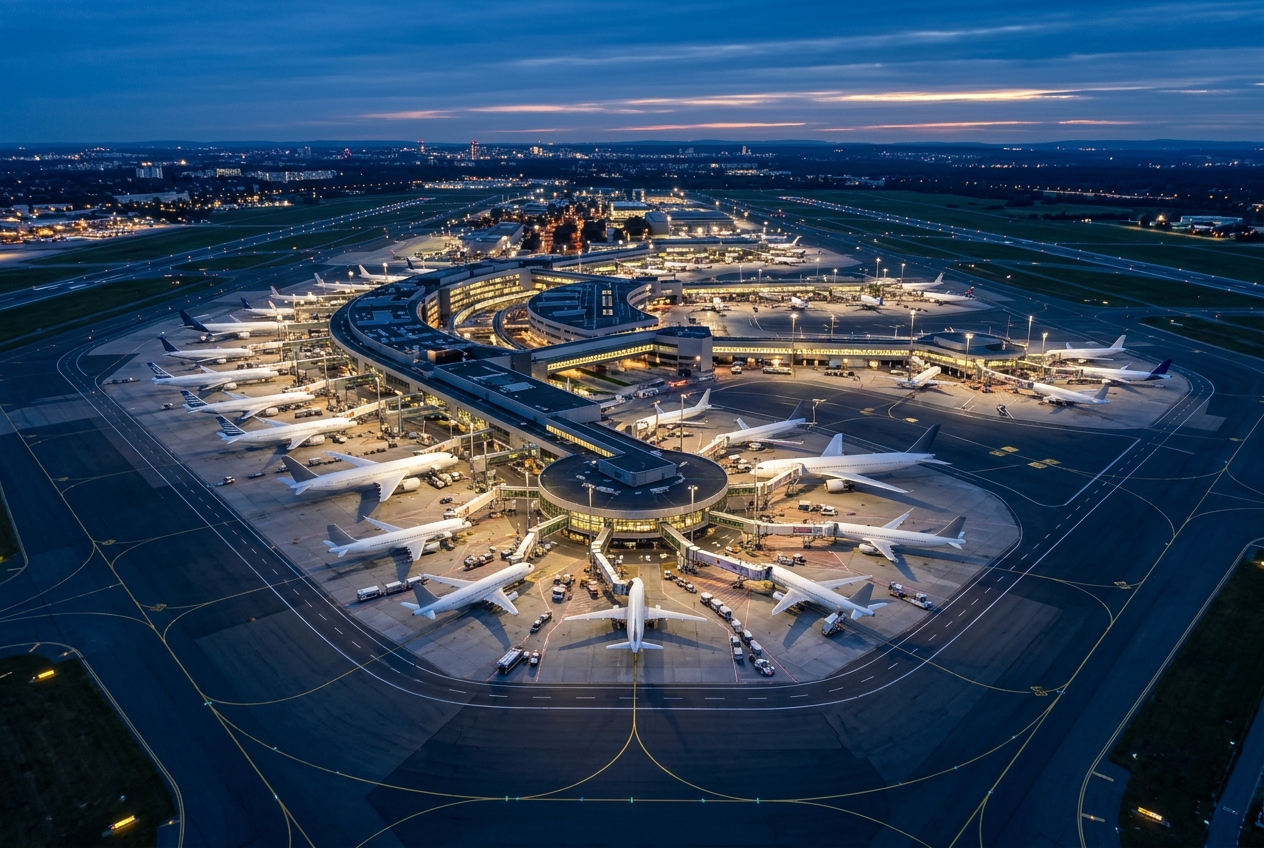
Bulgaria's second city gateway serving central Plovdiv.
Opened
1939
Location
Plovdiv, Bulgaria
Plovdiv International Airport (IATA: PDV, ICAO: LBPD) is the second-busiest airport in Bulgaria, serving the city of Plovdiv, the country's second-largest city. Located approximately 12 kilometres northwest of the city centre, it handles a mix of charter and scheduled international traffic.
The airport primarily serves seasonal leisure and charter flights connecting Plovdiv to destinations across Europe. It has seen periodic efforts to expand its route network, particularly benefiting from Plovdiv's growing tourism profile, which was boosted when the city served as a European Capital of Culture in 2019.
While smaller in scale than Sofia International Airport, Plovdiv Airport plays an important regional role for southern Bulgaria, serving the Thrace region and attracting visitors to the Rhodope Mountains and surrounding heritage sites.
Terminals
The airport operates a single passenger terminal handling both arrivals and departures.
Getting to & from
Ground transport options include taxis and private transfers connecting the airport to Plovdiv city centre, approximately 12 kilometres away; public bus services are limited.
Airlines here
Ryanair has operated seasonal services to Plovdiv, along with various charter carriers serving European leisure markets.
Notable facts
- ›Plovdiv served as European Capital of Culture in 2019, temporarily boosting airport traffic.
- ›The airport has a runway length suitable for narrow-body commercial aircraft.
- ›It is the second international airport in Bulgaria after Sofia Airport.
- ›The airport has historically served significant charter traffic to western European countries.
- ›Plovdiv Airport has been subject to ongoing privatisation and concession discussions over the years.
This profile is provided for general information only. Details may be inaccurate or outdated — always verify with the airport's official website before acting on them.