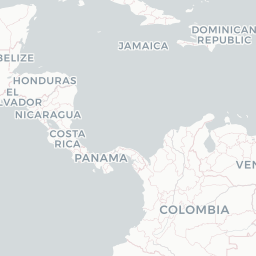
Gateway to Venezuela's Amazonas region on the Orinoco.
Location
Puerto Ayacucho, Venezuela
Cacique Aramare Airport, designated by IATA code PYH and ICAO code SVPA, serves Puerto Ayacucho, the capital of Amazonas State in southern Venezuela. The airport is the primary air link for a remote region bordered by Colombia and Brazil, where road access is extremely limited.
The facility handles domestic flights connecting Puerto Ayacucho to Caracas and other Venezuelan cities, serving government officials, locals, and travelers accessing the Amazonian frontier. It is named after Aramare, a legendary chief of the Piaroa indigenous people native to the Amazonas region.
Given the remoteness of Puerto Ayacucho and the challenging terrain surrounding it, the airport plays a critical logistical role for humanitarian missions, indigenous community support, and regional commerce.
Terminals
The airport operates a single small terminal building suited to the low passenger volumes typical of a regional domestic facility.
Getting to & from
Ground transport into Puerto Ayacucho city center is primarily by taxi or private vehicle, as organized public transit options are limited.
Airlines here
Conviasa, Venezuela's state airline, has historically been the primary carrier operating routes through this airport.
Notable facts
- ›Named after Aramare, a legendary chief of the Piaroa indigenous people of the Amazonas region.
- ›Serves as the main air gateway to Amazonas State, one of Venezuela's most remote and sparsely populated states.
- ›Puerto Ayacucho sits on the Orinoco River near the Colombian border, making air travel essential for connectivity.
- ›The surrounding region is rich in biodiversity and is home to numerous indigenous communities.
- ›Road access to Puerto Ayacucho from the rest of Venezuela is extremely difficult, increasing reliance on the airport.
This profile is provided for general information only. Details may be inaccurate or outdated — always verify with the airport's official website before acting on them.