Translate


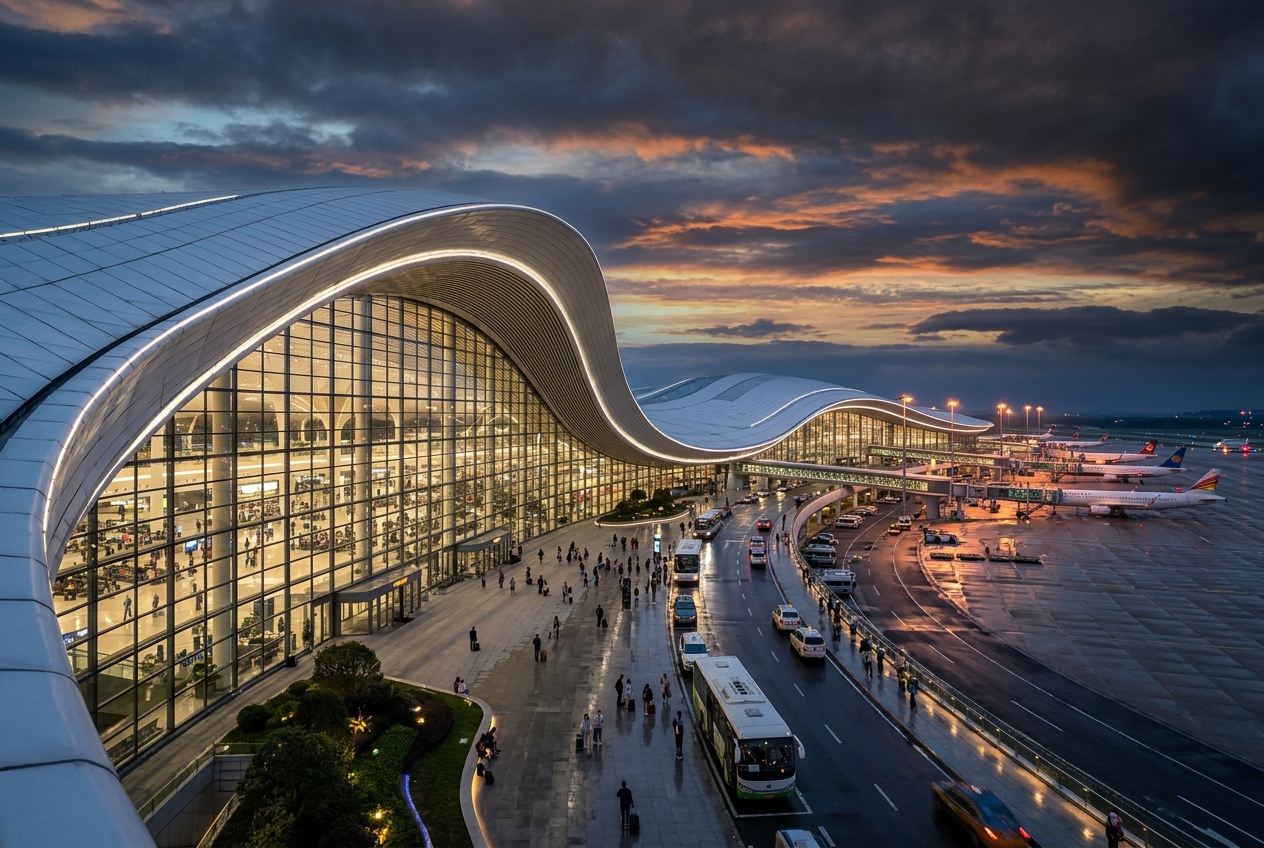
Croatia's gateway to Kvarner Bay and the Adriatic.
Opened
1960
Location
Omišalj (Krk), Croatia
Rijeka Airport (IATA: RJK, ICAO: LDRI) is an international airport serving the city of Rijeka and the wider Kvarner Bay region of Croatia. Despite being named after Rijeka, the airport is physically located on the island of Krk, near the town of Omišalj, making it one of the few airports in the world situated on an island.
The airport primarily handles seasonal charter and low-cost traffic during the summer tourist season, with significantly reduced operations in winter. Its location on Krk connects it to the mainland via the Krk Bridge, one of the longest concrete arch bridges in the world.
Rijeka Airport serves as an important entry point for tourists visiting the Kvarner Gulf, the island of Krk, and the broader Croatian Adriatic coast. Its throughput is modest compared to larger Croatian airports such as Split or Dubrovnik, but it plays a meaningful role in regional tourism.
Terminals
The airport operates a single passenger terminal handling both domestic and international arrivals and departures.
Getting to & from
The airport is connected to Rijeka and Krk by road via the Krk Bridge, with bus and taxi services available for ground transport.
Airlines here
Airlines serving Rijeka Airport have included Ryanair and various seasonal charter carriers, though scheduled service is limited.
Notable facts
- ›The airport is located on the island of Krk, not on the Croatian mainland.
- ›Krk Bridge, connecting the island to the mainland, is one of the longest concrete arch bridges in the world.
- ›The airport handles primarily seasonal tourist traffic, with peak operations in summer months.
- ›Rijeka Airport has a single runway designated 14/32.
- ›Annual passenger numbers are typically among the lower figures for Croatian international airports.
This profile is provided for general information only. Details may be inaccurate or outdated — always verify with the airport's official website before acting on them.