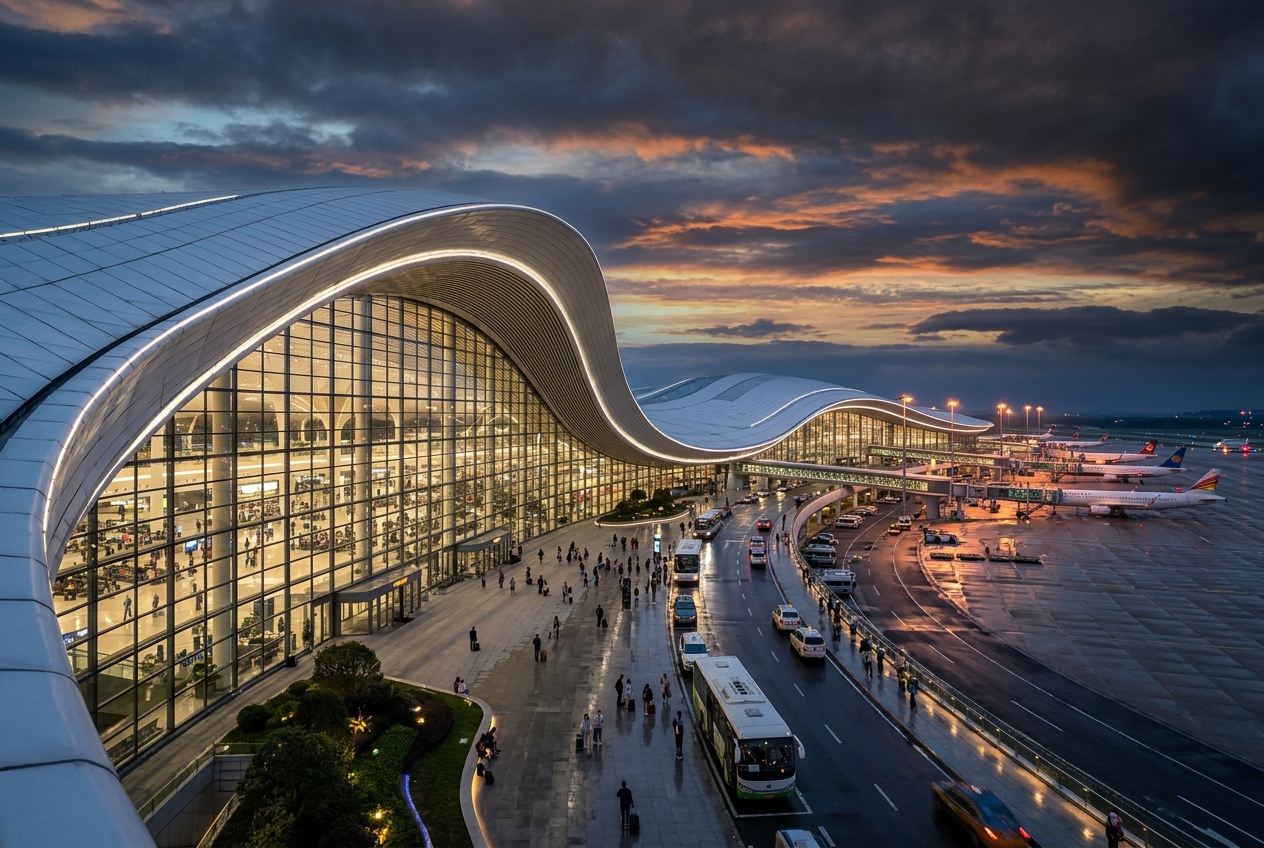
Seoul's bustling eastern gateway blending transit, markets, and urban energy.
Cheongnyangni (often romanized as Cheongyang-ri) is a major commercial and transportation hub in Seoul's Dongdaemun-gu district. It anchors the city's northeastern corridor and serves as a key interchange for commuters, shoppers, and travelers heading toward Gangwon Province and beyond.
The area is famous for its sprawling traditional markets, particularly the Cheongnyangni Fruit and Vegetable Market, one of the largest wholesale produce markets in Korea. Street food stalls, bargain retailers, and local eateries crowd the surrounding lanes, giving the neighborhood a lively, working-class authenticity rarely found in more polished Seoul districts.
While not a conventional tourist destination, Cheongnyangni rewards curious visitors with an unfiltered slice of everyday Seoul life. Recent urban redevelopment has added modern high-rises and retail complexes alongside the older market streets, creating an interesting contrast of old and new.
- •Cheongnyangni Fruit & Vegetable Market — one of Seoul's largest wholesale produce markets full of color and energy.
- •Cheongnyangni Station Area — major rail hub with a lively streetscape of vendors and commuters.
- •Kyunghee University Campus — beautiful neo-Gothic architecture just a short walk away.
- •Seoul Children's Grand Park — nearby family-friendly park with gardens, a zoo, and open lawns.
- •Majang Meat Market — a sprawling, authentic wholesale meat market beloved by chefs and locals.
- •Ddukseom Hangang Park — accessible riverside park for cycling, picnics, and Han River views.
Getting around: Cheongnyangni is exceptionally well connected by public transit. Cheongnyangni Station serves Seoul Metro lines 1 and Jungang/Gyeongui lines, plus intercity trains to Gangwon Province. Multiple bus routes crisscross the area, and taxis are plentiful and affordable. Kakao T is the most widely used rideshare and taxi-hailing app and works reliably throughout the district.
Best time: Late spring (April–May) and autumn (September–October) offer mild weather and the most pleasant conditions for exploring the outdoor markets and nearby parks.
Local food: Don't miss fresh seasonal fruit bought directly from the wholesale market stalls, hearty soondae-guk (blood sausage soup) at the traditional pojangmacha tents, and grilled meats sourced straight from the nearby Majang Meat Market.
This guide is provided for general information only. Verify details locally before making travel decisions.