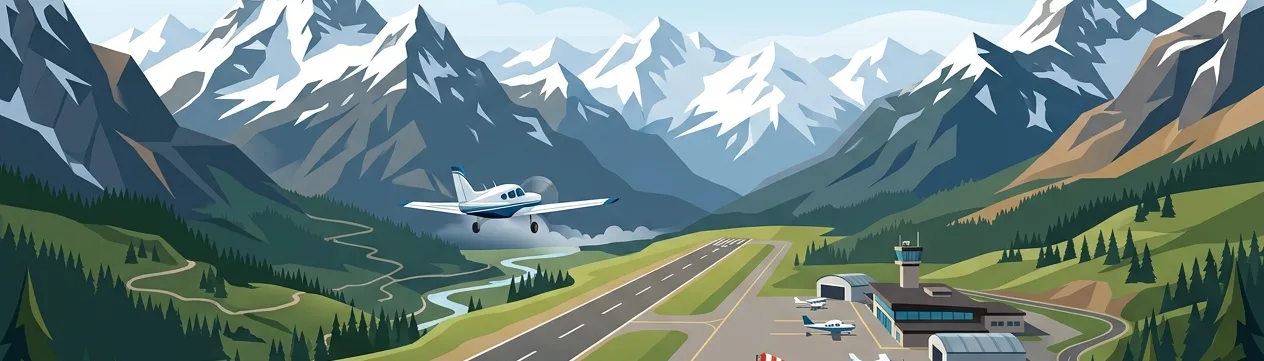
Ancient ruins, copper mountains, and authentic Argentine frontier spirit.
Andalgalá is a small city in the Catamarca Province of northwestern Argentina, nestled in a valley at the foot of the Aconquija mountain range. Known primarily as a mining hub—particularly for copper—it offers visitors a raw, unhurried window into the Andean foothills far from the tourist trail.
The region carries deep pre-Columbian history, with Diaguita and Inca cultural remnants scattered across the surrounding landscape. Colonial architecture lines the central plaza, and the local population maintains strong traditions in weaving, pottery, and folk music. Travelers seeking authenticity over polish will find Andalgalá quietly rewarding.
Infrastructure is modest, and English is rarely spoken, making basic Spanish essential. The city serves as a practical base for exploring nearby archaeological sites, high-altitude landscapes, and the broader Catamarca circuit.
- •Plaza General Belgrano — shaded central square anchoring the town's colonial core.
- •Cerro Aconquija viewpoints — dramatic high-altitude scenery accessible via mountain trails.
- •Ruins of El Shincal de Quimivil — significant Inca administrative center about 70 km away near Londres.
- •Museo Histórico Municipal — local artifacts tracing indigenous and colonial history.
- •Río Andalgalá riverbanks — peaceful natural escape popular with locals on weekends.
- •Nearby peñas and craft markets — authentic folk music evenings and handmade regional textiles.
Getting around: Andalgalá has no rail service; intercity buses connect it to Catamarca capital and nearby towns, though schedules are infrequent. Within town, walking covers most central points easily. Remises (private hire cars) are the standard local taxi option and can be arranged through town agencies for day trips to archaeological sites or mountain roads. There is no rideshare app coverage.
Best time: Visit between April and June or August and October to enjoy mild temperatures and avoid the intense summer heat of December through February.
Local food: Try locro (a hearty stew of corn, beans, and meat), humitas (steamed corn parcels), tamales catamarqueños, and locally produced goat cheese and wine from the Calchaquí valley region.
This guide is provided for general information only. Verify details locally before making travel decisions.
 Translate