

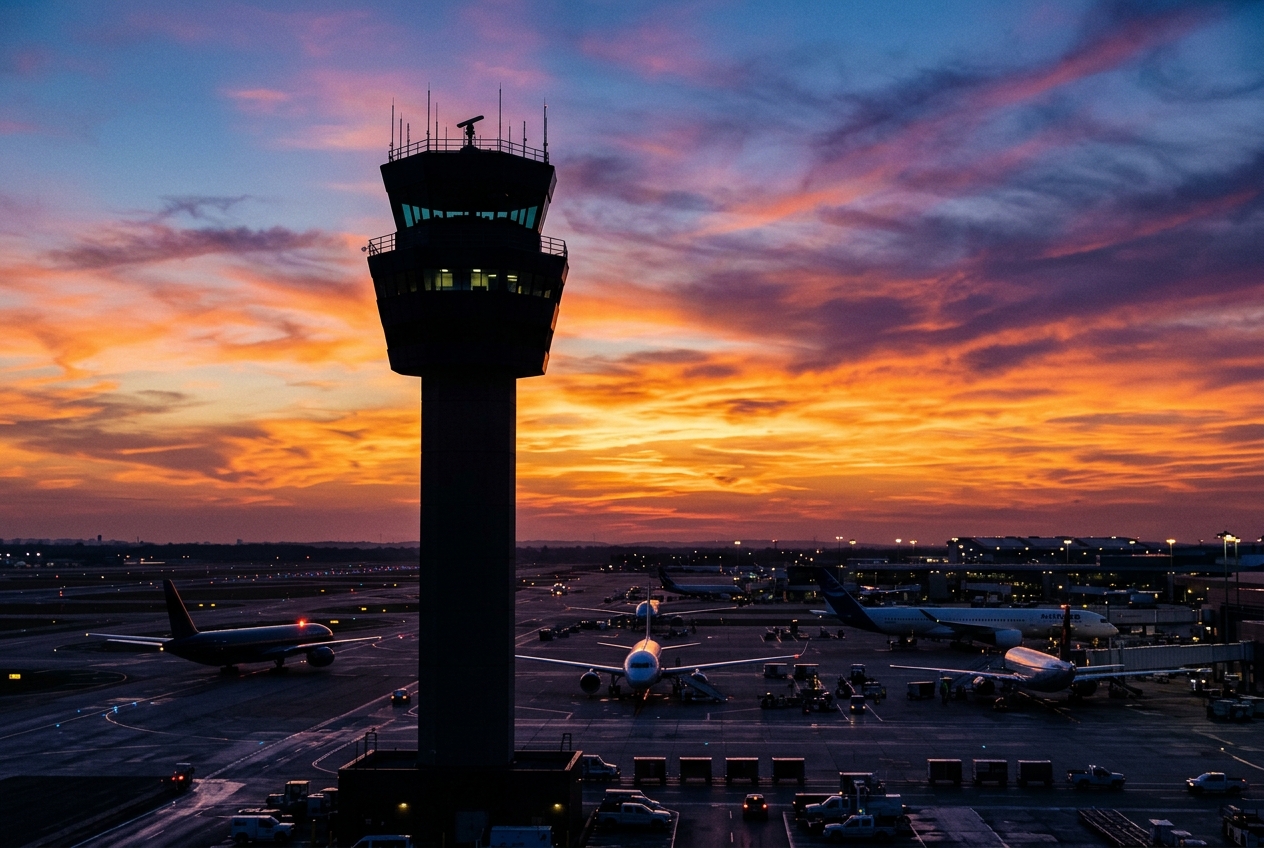
Arctic gateway serving Russia's massive Yamal LNG energy project.
Opened
2014
Location
Sabetta, Russia
Sabetta International Airport is located on the Yamal Peninsula in the Yamalo-Nenets Autonomous Okrug of Russia, situated above the Arctic Circle. It was constructed specifically to support the Yamal LNG liquefied natural gas project, one of the world's largest LNG developments, and serves the industrial settlement of Sabetta on the Gulf of Ob.
The airport is capable of handling large wide-body aircraft and operates year-round despite harsh Arctic conditions, including extreme cold and polar night. It plays a critical logistical role in rotating workers and equipment to and from the LNG facility.
Commercial passenger services connect Sabetta primarily to major Russian cities including Moscow and other regional hubs, catering predominantly to energy industry workers on rotational shifts.
Terminals
The airport has a single terminal facility designed primarily for the high-volume rotational workforce servicing the Yamal LNG project.
Getting to & from
Ground transport within Sabetta is limited to the industrial settlement itself, with no conventional public transit network given the remote Arctic location.
Airlines here
UTair Aviation and Nordavia have operated services to Sabetta, connecting it to Moscow and other Russian cities.
Notable facts
- ›Located above the Arctic Circle on the Yamal Peninsula at approximately 71°N latitude.
- ›Built primarily to support the Yamal LNG liquefied natural gas project led by NOVATEK.
- ›The runway is capable of accommodating wide-body aircraft such as the Boeing 737 and larger types.
- ›The airport operates year-round despite extreme Arctic conditions including temperatures below -40°C.
- ›Sabetta is an industrial settlement with no permanent civilian population in the traditional sense.
This profile is provided for general information only. Details may be inaccurate or outdated — always verify with the airport's official website before acting on them.
