International gateway serving Brazil's Maranhão state capital.
Opened
1951
Location
São Luís, Brazil
Marechal Cunha Machado International Airport (IATA: SLZ, ICAO: SBSL) serves São Luís, the capital of Maranhão state in northeastern Brazil. The airport is named after Marechal Cunha Machado, a Brazilian military figure, and handles the majority of commercial air traffic for the region.
The airport connects São Luís to major Brazilian cities including São Paulo, Brasília, Fortaleza, and Recife, and has international capacity reflecting its designation. It serves as an important hub for passengers accessing the Lençóis Maranhenses National Park and other regional attractions.
Managed under Brazil's airport concession framework, the airport has undergone modernization efforts in recent years to improve passenger capacity and infrastructure to meet growing demand from both domestic and international travelers.
Terminals
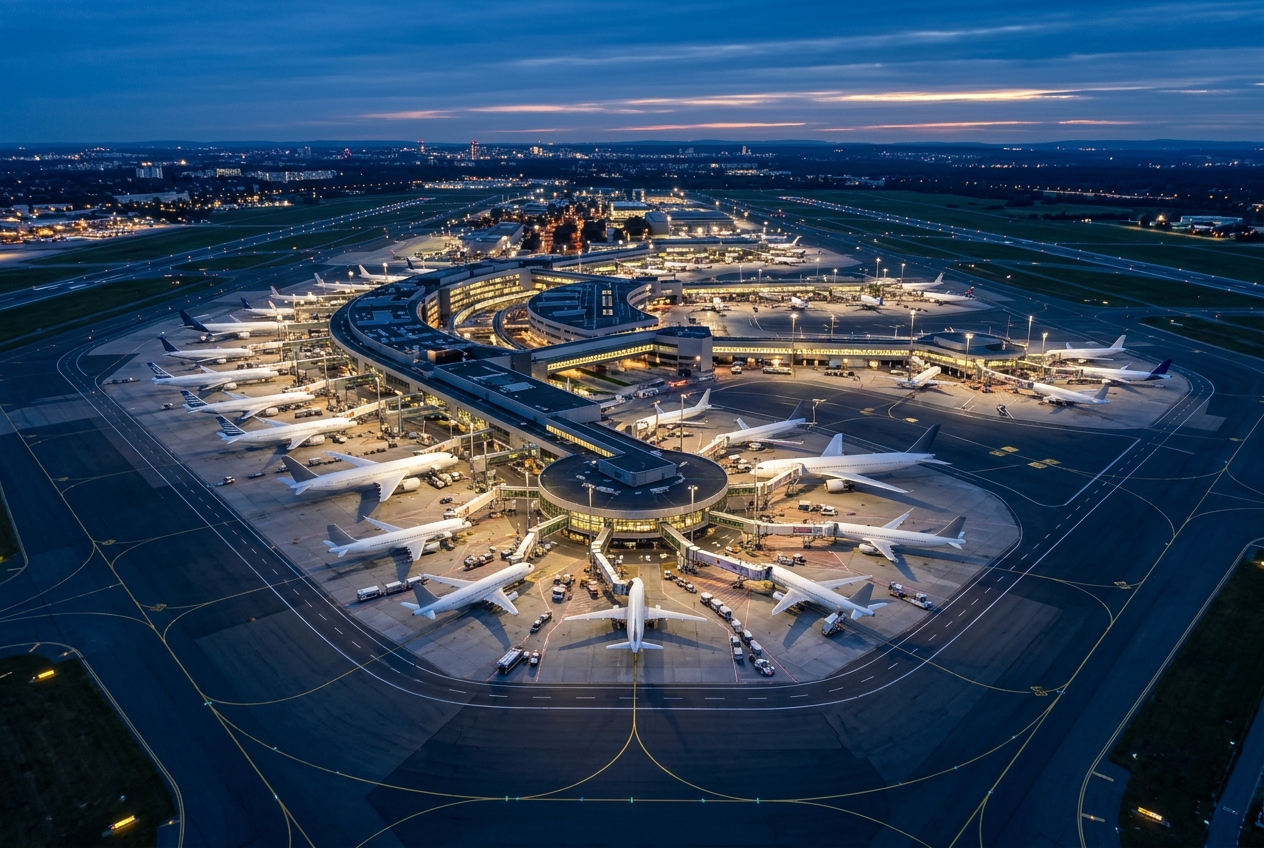
The airport operates a single passenger terminal handling both domestic and international flights.
Getting to & from
The airport is accessible from central São Luís via taxi, ride-hailing services, and public bus routes.
Airlines here
Major carriers serving the airport include LATAM Airlines, Gol Transportes Aéreos, and Azul Brazilian Airlines.
Notable facts
- ›Named after Brazilian military figure Marechal Cunha Machado.
- ›Serves as the primary air gateway to the Lençóis Maranhenses National Park.
- ›Located approximately 15 kilometers from downtown São Luís.
- ›São Luís is a UNESCO World Heritage Site, boosting tourism traffic through the airport.
- ›The airport holds international airport designation, accommodating select international routes.
This profile is provided for general information only. Details may be inaccurate or outdated — always verify with the airport's official website before acting on them.