AirlinesAirports.com
Powered by Google TranslateTranslate
Travel planning byTravelerPulse.pro
St Paul Island Airport Regional Airport illustrationRegional Airport
Airports
SNPmedium airport

St Paul Island Airport

St Paul Island, United States
Explore St Paul Island city guide Navigate to this airport
3
Routes out
2
Destinations
PASN
ICAO
63 ft
Elevation
AirlinesAirports profile

Remote Pribilof Islands gateway in the Bering Sea.

Location
St Paul Island, United States
St Paul Island Airport (IATA: SNP, ICAO: PASN) serves St Paul Island, the largest of the Pribilof Islands in the Bering Sea, Alaska, United States. The airport provides the primary means of air access to this remote community, which is home to a small population of Unangan (Aleut) people and is known for its wildlife, particularly its massive northern fur seal rookeries and diverse seabirds. The airport is operated under the jurisdiction of local and state authorities and supports both scheduled passenger service and cargo operations essential for supplying the island community. Due to its remote location and frequent harsh weather conditions, flights can be subject to significant delays and cancellations. PenAir (Peninsula Airways) has historically been the primary carrier serving St Paul Island, connecting it to Dutch Harbor and other points in Alaska. The airport plays a critical logistical role for the island's residents, given that air travel is essentially the only practical means of reaching the mainland.
Terminals
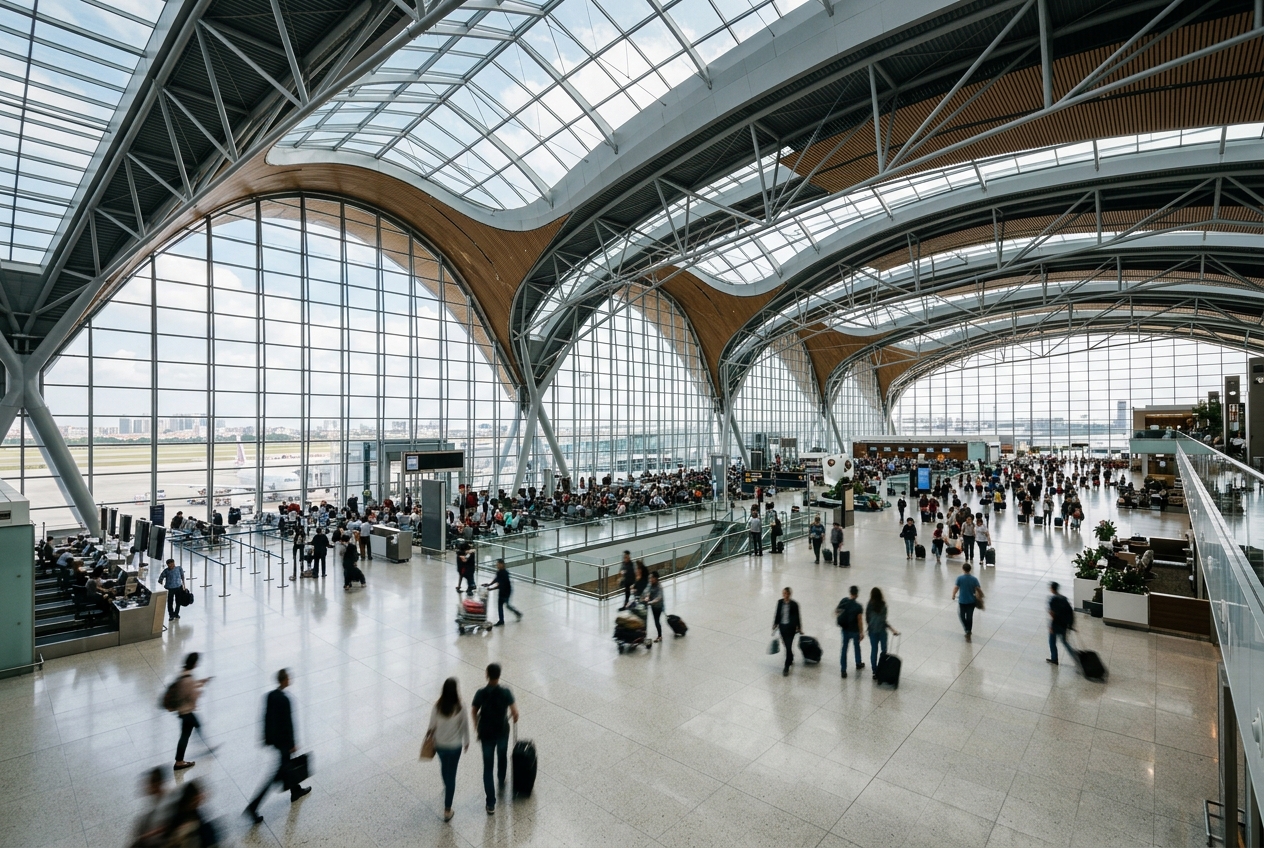
The airport has a small, single terminal building suited to the low passenger volumes of this remote island community.
Getting to & from
Ground transport options on the island are extremely limited, with no public transit system; most travel relies on private vehicles or local arrangements.
Airlines here
PenAir (Peninsula Airways) has historically been the primary airline serving St Paul Island, with connections to Dutch Harbor and Anchorage.
Notable facts
  • ›St Paul Island is located approximately 800 miles southwest of Anchorage in the Bering Sea.
  • ›The island is famous for hosting one of the world's largest northern fur seal rookeries.
  • ›The airport frequently experiences severe weather, including fog, high winds, and low visibility, causing frequent flight disruptions.
  • ›St Paul Island has a population of only a few hundred residents, predominantly Unangan (Aleut).
  • ›The Pribilof Islands were designated a National Wildlife Refuge area, making aviation access especially important for researchers and wildlife managers.
This profile is provided for general information only. Details may be inaccurate or outdated — always verify with the airport's official website before acting on them.

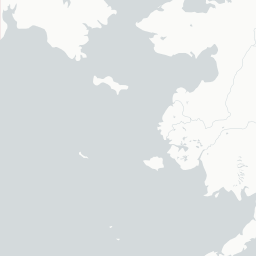
Route map (2 destinations)

Leaflet © OpenStreetMap © CARTO

Airlines serving this airport

Routes

SNP → ANCAS · SF3
SNP → STGKS · SF3
SNP → ANCKS · SF3

Aircraft operating here

Hotels near SNP

Pick what matters for your layover or early flight, then compare on your favorite booking site.

Compare stays for your dates

AirlinesAirports may receive compensation when you book or purchase through some of the links on this page, at no additional cost to you. Prices and availability are set by the booking provider and may change. We never share your private trip details with partners — only the destination, dates and party size you searched.

City & Place Guide

Remote Alaskan island teeming with wildlife and rugged beauty.

St. Paul Island is the largest of the Pribilof Islands, located in the Bering Sea about 300 miles north of the Aleutian Chain in Alaska. Home to roughly 500 Unangan (Aleut) residents, the island is one of the most remote inhabited places in the United States, offering a truly off-the-beaten-path experience steeped in indigenous culture and raw natural scenery.

The island is world-renowned for hosting one of the largest northern fur seal rookeries on earth, alongside spectacular seabird colonies and frequent sightings of rare Asian vagrant birds. Visitors come primarily for wildlife watching and birding, making St. Paul a bucket-list destination for naturalists and adventure travelers willing to brave the journey.

  • •Reef Rookery — witness thousands of northern fur seals hauled out on dramatic volcanic rocks.
  • •St. George Hill — panoramic views of the island's volcanic landscape and Bering Sea.
  • •St. Peter and Paul Church — beautifully preserved Russian Orthodox church reflecting Aleut history.
  • •Pribilof Islands Shorebird Festival — annual spring celebration of exceptional migratory birding.
  • •Zapadni Cliffs — dramatic sea cliffs packed with nesting seabirds including murres and puffins.
  • •Village of St. Paul — explore Unangan culture, the local museum, and community heritage.

Getting around: There is no public transportation system on St. Paul Island. The village is small and walkable, and most wildlife sites are accessible on foot or via guided tours arranged through local outfitters such as St. Paul Island Tour. Renting an ATV or catching a ride with a local guide is the best way to reach more remote rookeries and birding spots across the island.

Best time: Late May through early August is the best time to visit, when fur seals are ashore, seabirds are nesting, and migratory bird activity peaks.

Local food: Don't miss fresh Dungeness crab and locally caught halibut, often prepared simply to highlight the pristine Bering Sea flavors, along with traditional Unangan foods when offered through community events.

This guide is provided for general information only. Verify details locally before making travel decisions.

Passport, Visa & Immigration

Flying internationally via SNP? Check entry, transit and customs requirements for United States from official government sources.

Entity data from open aviation datasets (OurAirports, OpenFlights) with AI-assisted editorial clearly marked. Always confirm time-sensitive details with the official airport website. Sources & verification