Northwestern Romania's gateway serving Satu Mare county.
Opened
1938
Location
Satu Mare, Romania
Satu Mare International Airport (SUJ/LRSM) is a small regional airport located in Satu Mare, in the northwestern corner of Romania near the Hungarian and Ukrainian borders. It serves as the primary air gateway for Satu Mare county and the surrounding Transylvania region.
The airport handles a modest volume of passengers and operates a limited number of scheduled routes, primarily connecting Satu Mare to major European destinations. Its international designation reflects cross-border traffic and charter operations in addition to scheduled services.
Due to its small size, the airport features basic passenger facilities and limited infrastructure, though it plays an important role in connecting this relatively remote region of Romania to the broader European air network.
Terminals
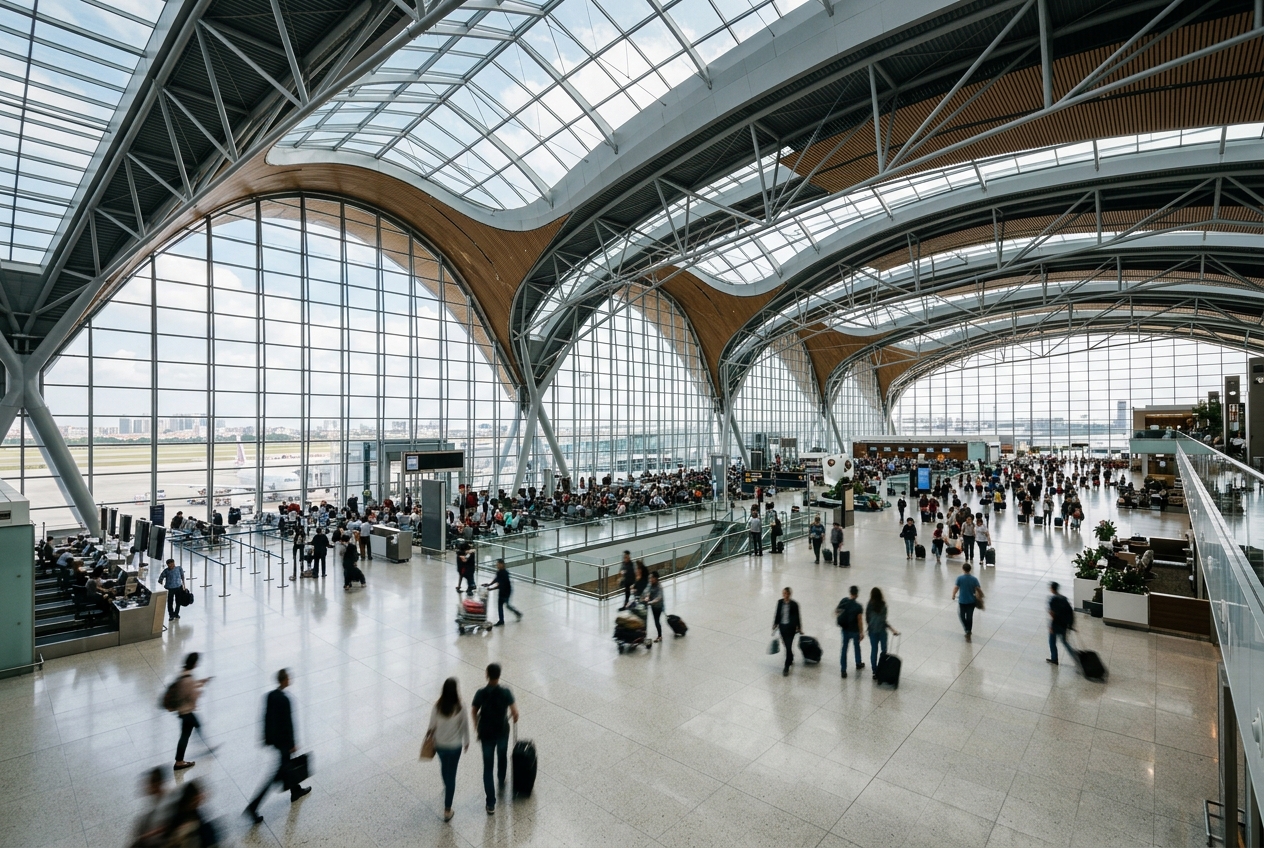
The airport operates a single small terminal building handling both domestic and international passengers.
Getting to & from
The airport is located approximately 14 kilometers from the city center of Satu Mare, accessible primarily by taxi or private vehicle.
Airlines here
Wizz Air has historically operated routes from Satu Mare, offering low-cost connections to Western European destinations.
Notable facts
- ›Located near the tripoint borders of Romania, Hungary, and Ukraine.
- ›One of the smaller international airports in Romania by passenger volume.
- ›ICAO code LRSM places it within Romanian airspace designation.
- ›The airport has a single runway suitable for narrow-body jet operations.
- ›Satu Mare county has historically relied on cross-border road travel to Hungarian airports as an alternative.
This profile is provided for general information only. Details may be inaccurate or outdated — always verify with the airport's official website before acting on them.