Translate



Gateway to Bolivia's remote Pantanal border region.
Location
Quijarro, Bolivia
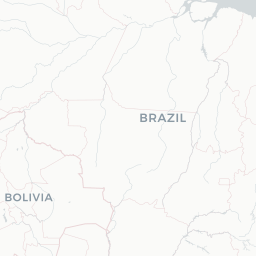
Joya Andina International Airport, designated with IATA code UYU and ICAO code SLUY, serves the city of Quijarro in the Santa Cruz Department of eastern Bolivia. The airport sits near the Bolivian border with Brazil, in a region defined by the Pantanal wetlands and the important rail and road crossing point between the two countries.
Quijarro functions primarily as a border town connected to the Brazilian city of Corumbá, and the airport serves this transit and regional role. Given the modest size of the community and its remote location, the facility is a small regional airport with limited scheduled commercial traffic.
Detailed operational records and infrastructure specifics for this airport are not widely documented in major aviation databases, reflecting its status as a minor regional facility in Bolivia's eastern lowlands.
Notable facts
- ›Located near the Bolivia-Brazil border in the Santa Cruz Department.
- ›Serves Quijarro, a town closely linked economically to Corumbá, Brazil across the border.
- ›The surrounding Pantanal region is one of the world's largest tropical wetlands.
- ›The airport has international designation despite being a very small regional facility.
- ›Ground transport connections between Quijarro and Corumbá include road and rail links.
This profile is provided for general information only. Details may be inaccurate or outdated — always verify with the airport's official website before acting on them.