Translate


Gateway to Niassa Province in northern Mozambique.
Location
Lichinga, Mozambique
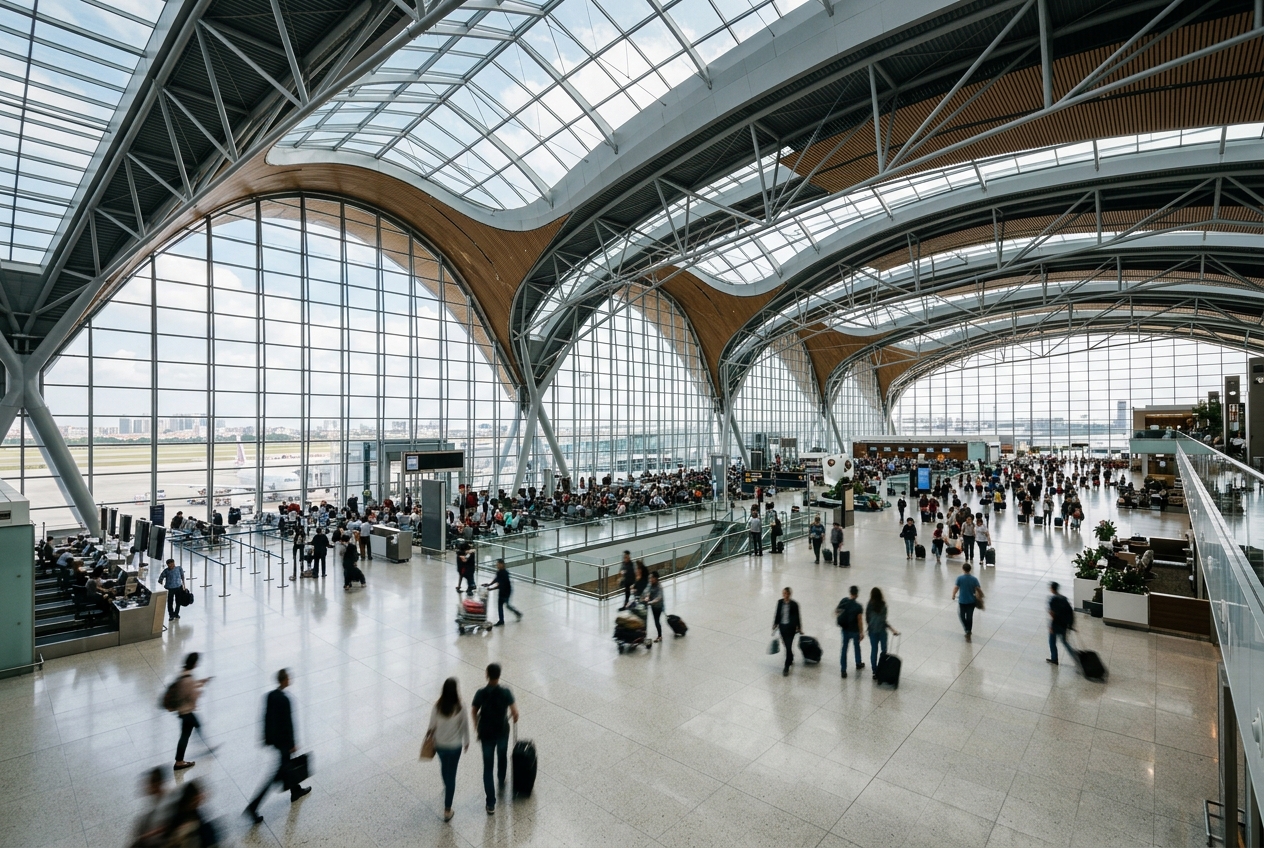
Lichinga Airport (IATA: VXC, ICAO: FQLC) serves the city of Lichinga, the provincial capital of Niassa Province in northern Mozambique. It is one of the country's regional airports, providing essential air connectivity to an otherwise remote and landlocked area of the country.
The airport handles limited domestic traffic, primarily connecting Lichinga to Maputo and other Mozambican cities. It plays a vital role in supporting access to Niassa, one of Mozambique's largest but least densely populated provinces, which borders Tanzania and Malawi.
Terminals
The airport has a single small terminal building suited to low-volume regional passenger traffic.
Getting to & from
Ground transport between the airport and Lichinga city centre is primarily by taxi and private vehicle, with no formal public bus service.
Airlines here
LAM Mozambique Airlines is the primary carrier operating scheduled domestic services at Lichinga Airport.
Notable facts
- ›Lichinga Airport serves the capital of Niassa, Mozambique's largest province by area.
- ›The airport operates primarily domestic routes, with Maputo being the key destination.
- ›Niassa Province is known for the Niassa Reserve, one of Africa's largest wildlife reserves.
- ›The airport's elevation is approximately 1,444 metres (4,737 feet) above sea level.
- ›Limited infrastructure reflects the low population density and remote nature of the region.
This profile is provided for general information only. Details may be inaccurate or outdated — always verify with the airport's official website before acting on them.