
AirlinesAirports.com
Travel planning byTravelerPulse.pro
Baker Lake Airport Mountain Airport illustrationMountain Airport
Airports
YBKmedium airport

Baker Lake Airport

Baker Lake, Canada
Explore Baker Lake city guide Navigate to this airport
6
Routes out
4
Destinations
CYBK
ICAO
59 ft
Elevation
AirlinesAirports profile

Remote Arctic gateway serving Nunavut's inland communities.

Location
Baker Lake, Canada
Baker Lake Airport (IATA: YBK, ICAO: CYBK) serves the hamlet of Baker Lake, Nunavut, Canada, the only inland Inuit community in Nunavut. Located near the geographic centre of Canada, the airport provides a critical lifeline for residents who otherwise have no road connections to southern Canada. The airport is owned and operated by the Government of Nunavut and supports scheduled passenger service as well as cargo, medevac, and charter operations. Its remote Arctic location means air travel is the primary and often only mode of transportation for people and goods moving in and out of the community. Baker Lake sits on the western shore of Baker Lake (Qamanit'uaq), and the airport plays a key role in supporting the local Inuit population, mining operations in the region, and government services throughout the Kivalliq region of Nunavut.
Terminals
The airport has a small, single terminal building suited to the low passenger volumes typical of remote Arctic communities.
Getting to & from
Ground transport options are extremely limited, with no public transit system; taxis and private vehicles are the primary means of travel between the airport and the hamlet.
Airlines here
Canadian North and Calm Air provide scheduled service to Baker Lake Airport, connecting the hamlet to Winnipeg and other Nunavut communities.
Notable facts
  • ›Baker Lake is the only inland Inuit community in Nunavut, making the airport its sole transportation link to the outside world.
  • ›The airport is located near the geographic centre of Canada.
  • ›No all-season road connects Baker Lake to the rest of Canada's highway network.
  • ›The airport supports critical medevac operations for the Kivalliq region.
  • ›Mining activity in the surrounding Kivalliq region generates significant charter and cargo traffic through the airport.
This profile is provided for general information only. Details may be inaccurate or outdated — always verify with the airport's official website before acting on them.
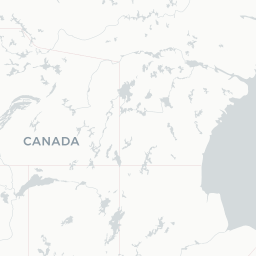
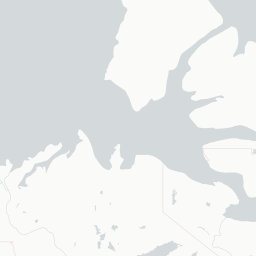
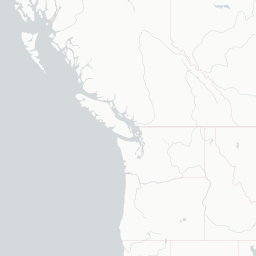
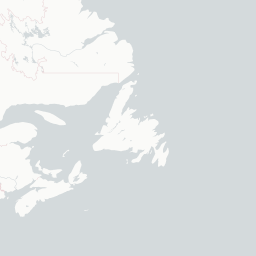
Route map (4 destinations)

Leaflet © OpenStreetMap © CARTO

Routes

YBK → YRT7F · AT4
YBK → YXN5T · ATR
YBK → YUT7F · AT4
YBK → YCS5T · ATR
YBK → YCSMO · AT4
YBK → YRTMO · AT4
Hotels near YBK

Pick what matters for your layover or early flight, then compare on your favorite booking site.

Compare stays for your dates

AirlinesAirports may receive compensation when you book or purchase through some of the links on this page, at no additional cost to you. Prices and availability are set by the booking provider and may change. We never share your private trip details with partners — only the destination, dates and party size you searched.

City & Place Guide

Gateway to the Arctic tundra, Inuit culture, and the Northern Lights.

Baker Lake (Qamanittuaq) is a small Inuit hamlet in Nunavut, Canada, situated at the geographic heart of the country. It is the only inland Inuit community in Canada, lying on the western shore of Baker Lake near the Thelon River. The town is home to roughly 2,000 residents and serves as a cultural and spiritual hub for the Kivalliq region.

Visitors come for raw, untamed wilderness experiences including world-class caribou migrations, outstanding Arctic fishing, and dazzling Northern Lights displays. The community is also celebrated for its vibrant artistic heritage, particularly printmaking and wall hangings that reflect Inuit mythology and daily life. Baker Lake offers an authentic, off-the-beaten-path encounter with Canada's Far North that few other destinations can match.

  • •Thelon Wildlife Sanctuary — vast protected wilderness teeming with caribou, musk oxen, and wolves.
  • •Kiilinik High School Visitors Centre — showcases local Inuit art, history, and cultural artifacts.
  • •Baker Lake shoreline — stunning tundra landscapes ideal for hiking and wildlife photography.
  • •Northern Lights viewing — some of Canada's clearest and most vivid auroral displays from late August onward.
  • •Local printmaking studios — watch or purchase acclaimed Inuit prints and tapestries directly from artists.
  • •Kazan River — legendary destination for Arctic char fishing and remote canoe expeditions.

Getting around: Baker Lake has no roads connecting it to southern Canada; the only practical way in is by air via Canadian North or Calm Air from Winnipeg or Churchill. Within the hamlet, most residents walk or use ATVs and snowmobiles depending on the season. There is no public bus system, rail service, or rideshare network; visitors typically arrange transportation through their outfitter or lodge, and local taxis are occasionally available.

Best time: Late summer (July–August) is ideal for wildlife and paddling, while late winter (February–March) offers the best conditions for dog sledding and Northern Lights viewing under clear, dark skies.

Local food: Try freshly caught Arctic char prepared by local guides, as well as traditional Inuit country foods such as caribou stew and bannock, which are often shared at community gatherings and outfitter camps.

This guide is provided for general information only. Verify details locally before making travel decisions.

Passport, Visa & Immigration

Flying internationally via YBK? Check entry, transit and customs requirements for Canada from official government sources.

Baker Lake Airport
Encyclopaedia

Baker Lake Airport is located 3 nautical miles southwest of Baker Lake, Nunavut, Canada. It is operated by the Government of Nunavut. It has a single gravel runway 4,195 ft × 100 ft.

Read full article on Wikipedia

Entity data from open aviation datasets (OurAirports, OpenFlights) with AI-assisted editorial clearly marked. Always confirm time-sensitive details with the official airport website. Sources & verification