Gateway to the Republic of Khakassia in southern Siberia.
Opened
1931
Location
Abakan, Russia
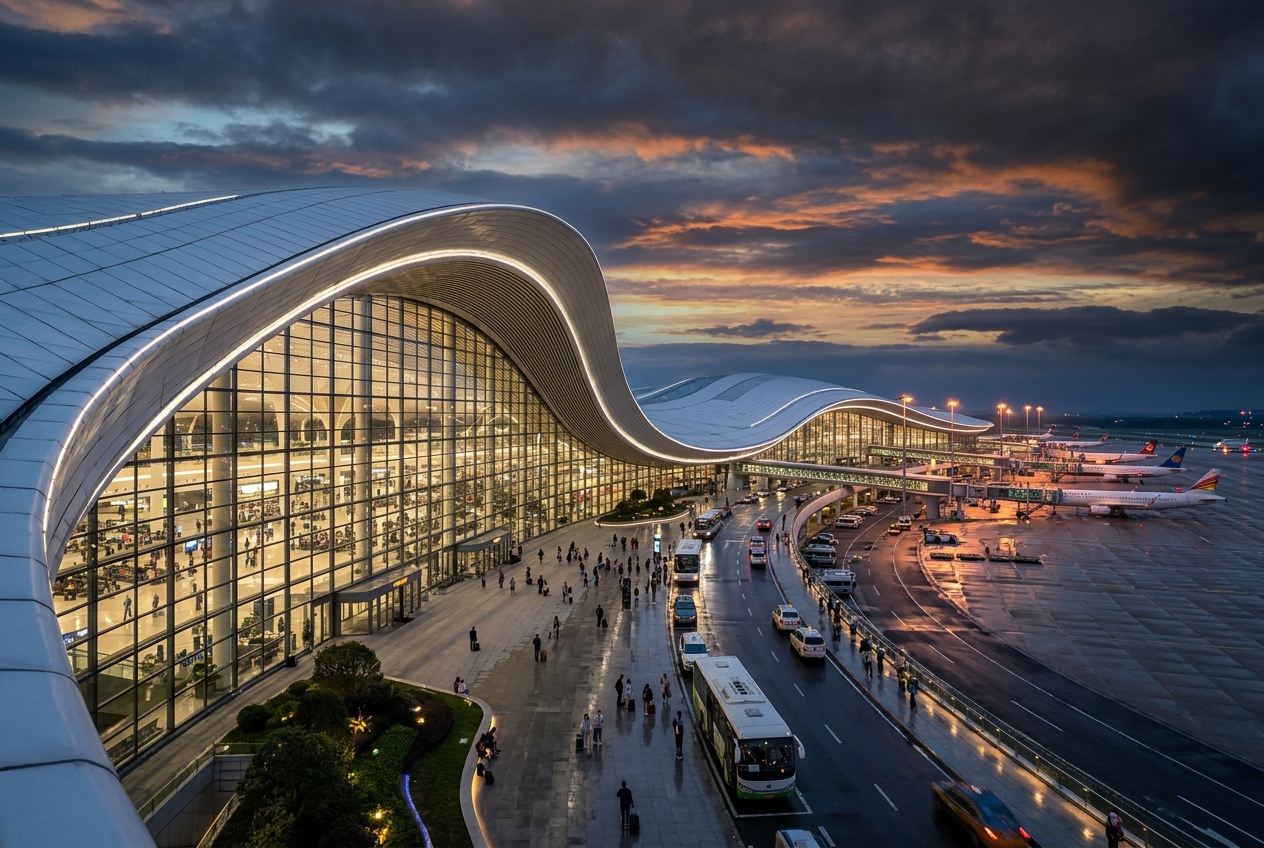
Abakan International Airport (IATA: ABA, ICAO: UNAA) serves Abakan, the capital of the Republic of Khakassia in southern Siberia, Russia. It is the primary commercial airport for the region and handles both domestic and limited international traffic.
The airport operates scheduled flights connecting Abakan to major Russian cities including Moscow and other regional hubs. Its runway and facilities support medium-range jet aircraft, making it a key transport node for an area otherwise reliant on road and rail connections.
The airport has undergone modernization efforts in recent years to upgrade its terminal infrastructure and improve passenger services, reflecting the broader development goals of the Khakassia region.
Terminals
The airport operates a single passenger terminal handling both domestic and international arrivals and departures.
Getting to & from
The airport is located approximately 5 kilometers from the city center and is accessible by taxi and bus services.
Airlines here
S7 Airlines and Utair are among the primary carriers serving Abakan International Airport with routes to Moscow and other Russian cities.
Notable facts
- ›Serves as the main airport for the Republic of Khakassia in southern Siberia.
- ›Handles both domestic Russian routes and occasional international charter flights.
- ›Located near the confluence of the Yenisei and Abakan rivers.
- ›The airport supports operations in a continental climate with cold winters and warm summers.
- ›Runway length accommodates narrow-body jet aircraft such as the Boeing 737 and Airbus A320 families.
This profile is provided for general information only. Details may be inaccurate or outdated — always verify with the airport's official website before acting on them.