
Remote Arctic gateway serving an Iñupiat village in Alaska.
Location
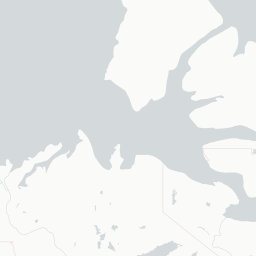
Anaktuvuk Pass, United States
Anaktuvuk Pass Airport (AKP) is a small public-use airport serving the remote community of Anaktuvuk Pass, located in the Brooks Range of northern Alaska within the Gates of the Arctic National Park and Preserve. The village of Anaktuvuk Pass is one of the few permanent settlements in the central Brooks Range and is accessible primarily by air year-round.
The airport is owned and operated by the U.S. Army Corps of Engineers and serves as a critical lifeline for the community, providing access to essential goods, medical services, and passenger travel. It is classified as a rural airport under the Essential Air Service program, which helps subsidize commercial air service to remote Alaskan communities.
The airstrip is unpaved gravel and is designed to handle small aircraft suited to the challenging Arctic environment. Flight operations can be affected by severe weather, including fog, high winds, and winter storms common to the region.
Terminals
The airport has minimal terminal infrastructure, consisting of a small basic passenger building typical of remote Bush Alaska airports.
Getting to & from
There is no road connection to Anaktuvuk Pass; ground transport within the village is extremely limited and air travel is the primary means of access.
Airlines here
Ravn Alaska and other small regional Bush carriers have historically provided scheduled service to Anaktuvuk Pass under the Essential Air Service program.
Notable facts
- ›Anaktuvuk Pass is the only permanent settlement in the central Brooks Range of Alaska.
- ›The airport has a gravel runway, reflecting the remote and undeveloped nature of the region.
- ›The community it serves is home primarily to Iñupiat people, with a population of roughly 300-400 residents.
- ›The airport is located within the boundaries of Gates of the Arctic National Park and Preserve.
- ›Essential Air Service subsidies are critical to maintaining scheduled airline access to this isolated community.
This profile is provided for general information only. Details may be inaccurate or outdated — always verify with the airport's official website before acting on them.