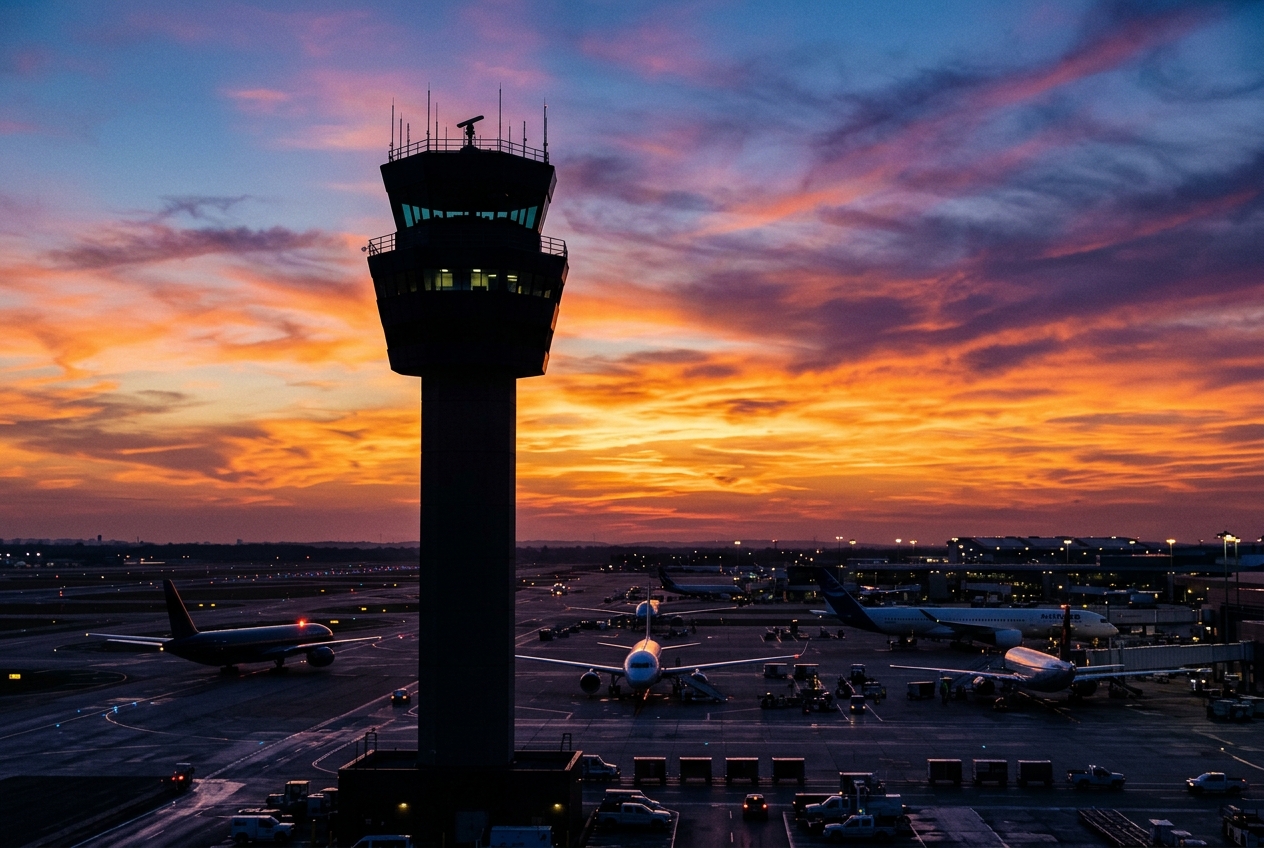
Moravia's main international gateway serving Brno and the region.
Opened
1944
Location
Brno, Czech Republic
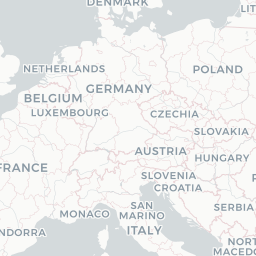
Brno-Tuřany Airport (IATA: BRQ) is the principal international airport serving Brno, the second-largest city in the Czech Republic, and the broader South Moravian Region. Located approximately 7.5 kilometres southeast of the Brno city centre in the Tuřany district, it handles both scheduled passenger services and charter flights.
The airport has historically served as a secondary hub for Central European traffic, offering connections to major European cities. It is significantly smaller than Prague's Václav Havel Airport but plays an important role for business and leisure travellers in the region.
Passenger numbers have fluctuated over the years, with the airport experiencing growth in low-cost carrier operations. Ryanair has been one of the most prominent carriers operating scheduled routes from Brno to various European destinations.
Terminals
The airport operates a single passenger terminal capable of handling both Schengen and non-Schengen flights.
Getting to & from
The airport is connected to Brno city centre by public bus services, with taxis and rental cars also available.
Airlines here
Ryanair is the dominant carrier at Brno-Tuřany, with seasonal charter operators also providing services to leisure destinations.
Notable facts
- ›The airport's ICAO code LKTB reflects its location in the Czech Republic (L) and the Tuřany district.
- ›Brno-Tuřany served as a military airfield during World War II before transitioning to civilian use.
- ›The airport lies approximately 7.5 km southeast of Brno's city centre.
- ›Passenger throughput is a fraction of Prague's main airport, typically under 500,000 passengers annually in recent years.
- ›The airport has a single asphalt runway designated 10/28.
This profile is provided for general information only. Details may be inaccurate or outdated — always verify with the airport's official website before acting on them.