Kazakhstan's gateway to the Caspian oil hub.
Opened
1934
Location
Atyrau, Kazakhstan
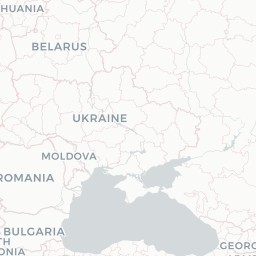
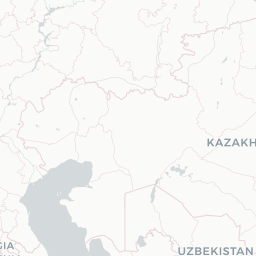
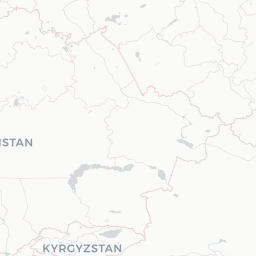
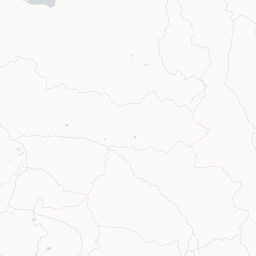
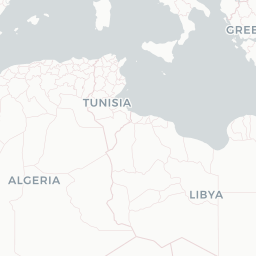
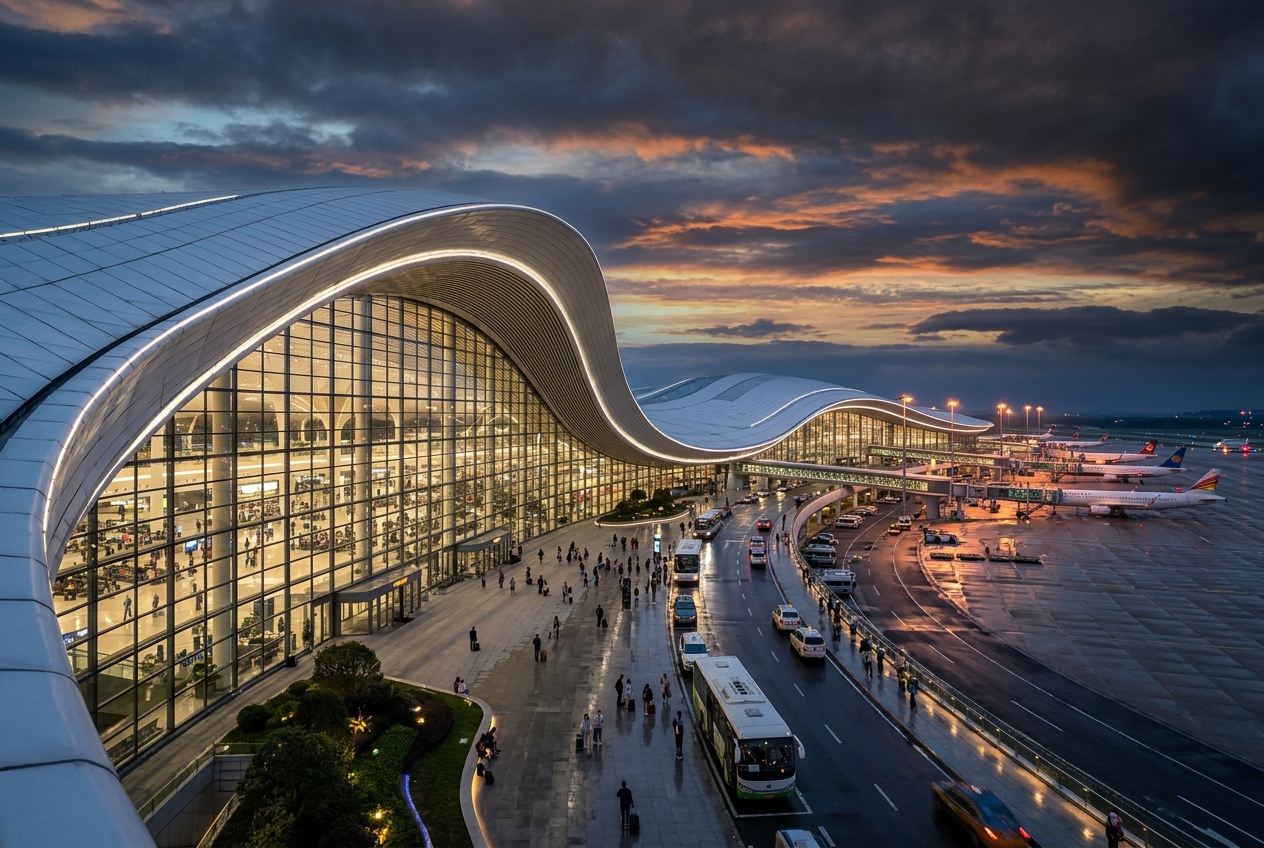
Atyrau International Airport (IATA: GUW, ICAO: UATG) serves the city of Atyrau in western Kazakhstan, situated near the Ural River on the border of Europe and Asia. It is a key aviation hub for the region's substantial oil and gas industry, connecting the Caspian energy sector to domestic and international destinations.
The airport handles both commercial passenger traffic and significant charter operations linked to the major oilfields in the area, including the Tengiz and Kashagan fields. Its passenger volumes are heavily influenced by the workforce demands of international energy companies operating in the region.
Atyrau Airport has undergone modernization efforts to improve capacity and service quality in line with the growth of Kazakhstan's energy sector. It operates flights to several major cities including Almaty, Astana, and select international destinations.
Terminals
The airport operates a single terminal building serving both domestic and international passengers.
Getting to & from
Ground transport to central Atyrau is primarily available via taxi and private transfer services, as public bus connections are limited.
Airlines here
Air Astana and SCAT Airlines are among the primary carriers operating scheduled services at Atyrau International Airport.
Notable facts
- ›Located in a region straddling the geographical boundary between Europe and Asia.
- ›Serves as a critical access point for workers at the Tengizchevroil and Kashagan oilfields.
- ›The airport sits at an elevation of approximately 22 meters (72 feet) above sea level.
- ›Atyrau is one of Kazakhstan's wealthiest cities due to oil revenues, driving steady airport demand.
- ›The airport handles a notable volume of charter flights for international oil company personnel.
This profile is provided for general information only. Details may be inaccurate or outdated — always verify with the airport's official website before acting on them.