Translate


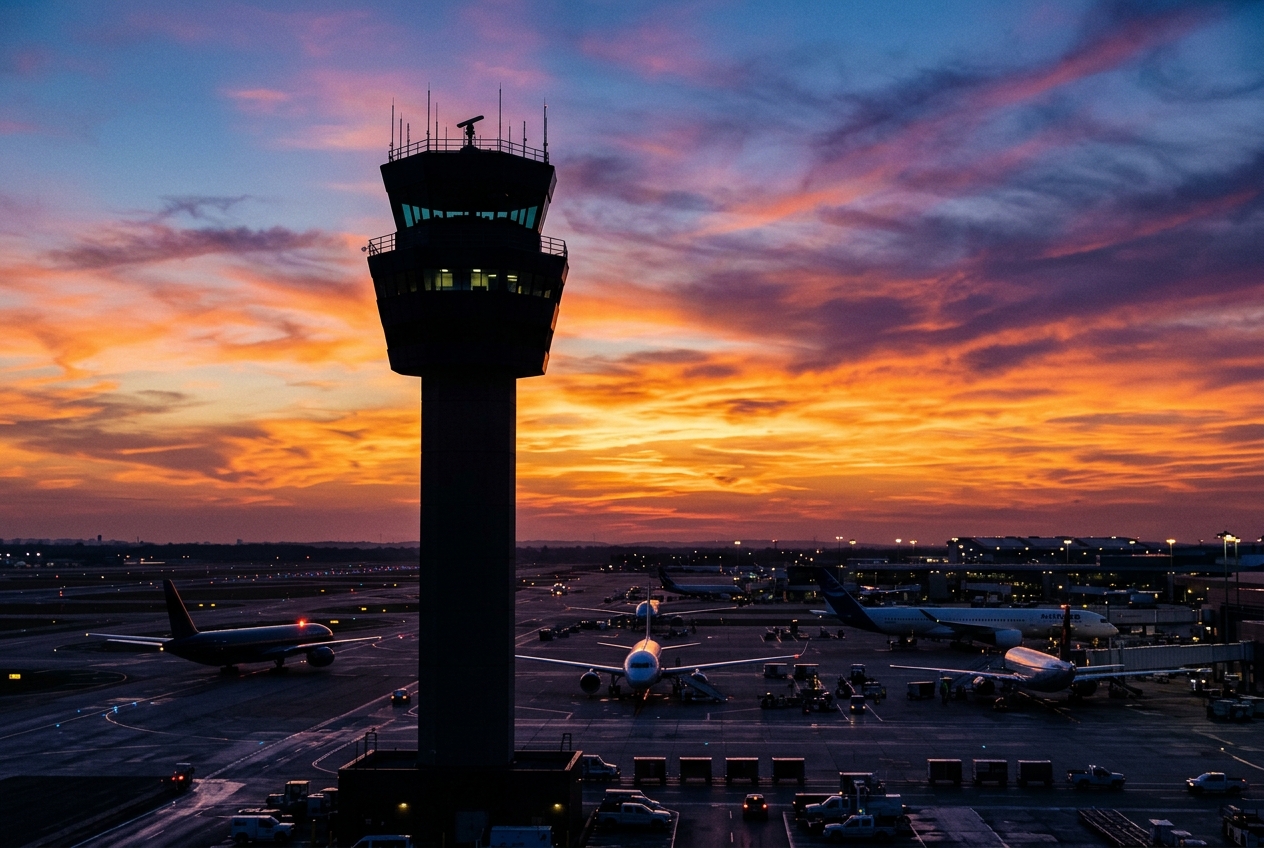
Upper Egypt's modern gateway serving Sohag Governorate.
Opened
2010
Location
Sohag, Egypt
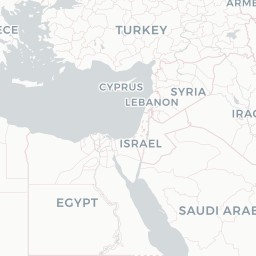
Sohag International Airport (also spelled Suhaj) is a civil airport serving the Sohag Governorate in Upper Egypt, located along the Nile Valley. It was developed to improve air connectivity for a region historically underserved by commercial aviation, reducing reliance on Cairo or Luxor airports for residents of the area.
The airport handles both domestic routes within Egypt and a limited number of international services, particularly to Gulf destinations popular with Egyptian migrant workers and pilgrims. It plays a role in supporting Umrah and Hajj traffic for the region.
Sohag Airport is operated under the Egyptian Airports Company and has undergone infrastructure improvements as part of Egypt's broader effort to develop regional airports and stimulate tourism and economic activity in Upper Egypt.
Terminals
The airport has a single passenger terminal designed to handle both domestic and international traffic.
Getting to & from
Ground transport between the airport and Sohag city is primarily provided by taxis and private vehicles, with limited public bus options.
Airlines here
EgyptAir and Air Arabia Egypt have operated services at Sohag, with seasonal and charter flights to Gulf destinations also serving the airport.
Notable facts
- ›IATA code HMB refers to the airport's alternative name associated with the Sohag region.
- ›The airport serves significant Umrah and Hajj pilgrim traffic to Saudi Arabia.
- ›Sohag is situated in Upper Egypt approximately 460 km south of Cairo.
- ›The airport supports economic development goals for one of Egypt's more populous governorates.
- ›It is managed by the Egyptian Airports Company, a state-owned entity overseeing Egypt's regional airports.
This profile is provided for general information only. Details may be inaccurate or outdated — always verify with the airport's official website before acting on them.