
Haiphong's gateway linking northern Vietnam to the world.
Opened
1956
Location
Haiphong, Vietnam
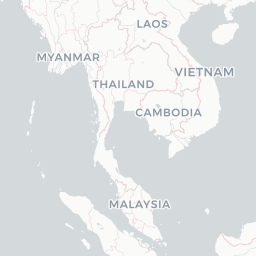
Cat Bi International Airport (IATA: HPH, ICAO: VVCI) is the primary commercial airport serving Haiphong, Vietnam's third-largest city and a major industrial and port hub in the north of the country. The airport is located in the Hai An district, approximately 6 kilometers east of Haiphong city center.
The airport handles both domestic and international flights, connecting Haiphong with destinations across Vietnam as well as select international routes. It plays a growing role as an aviation gateway for the broader northern Vietnam region, complementing Noi Bai International Airport in Hanoi.
In recent years, Cat Bi has undergone infrastructure improvements to expand capacity and modernize facilities, reflecting Haiphong's rapid economic growth driven by manufacturing, trade, and port activities.
Terminals
The airport operates with a single passenger terminal handling both domestic and international departures and arrivals.
Getting to & from
The airport is accessible by taxi, ride-hailing services, and bus connections linking it to central Haiphong and surrounding areas.
Airlines here
Vietnam Airlines and VietJet Air are among the primary carriers operating at Cat Bi, offering domestic routes as well as limited international services.
Notable facts
- ›Cat Bi Airport has historical roots as a French colonial-era airfield and was later used during the Vietnam War.
- ›The airport is located approximately 6 kilometers from central Haiphong.
- ›Haiphong is one of Vietnam's most important port cities, driving cargo and passenger demand at Cat Bi.
- ›The airport has been subject to expansion and modernization projects to increase annual passenger capacity.
- ›Cat Bi serves as an alternative northern Vietnam international gateway alongside Hanoi's Noi Bai Airport.
This profile is provided for general information only. Details may be inaccurate or outdated — always verify with the airport's official website before acting on them.