Perak's gateway airport serving the royal city of Ipoh.
Opened
1935
Location
Ipoh, Malaysia
Sultan Azlan Shah Airport (IATA: IPH, ICAO: WMKI) is the primary commercial airport serving Ipoh, the capital of Perak state in Malaysia. It is named after Sultan Azlan Shah, the late Yang di-Pertuan Agong (King) of Malaysia and Sultan of Perak.
The airport handles domestic routes primarily connecting Ipoh to Kuala Lumpur and other Malaysian cities, as well as limited international services. It plays a regional role supporting tourism and business travel in the Perak corridor.
Despite its modest size, the airport serves as an important transport link for a city known for its heritage architecture, limestone hills, and culinary scene, reducing the need for travelers to rely solely on road or rail.
Terminals
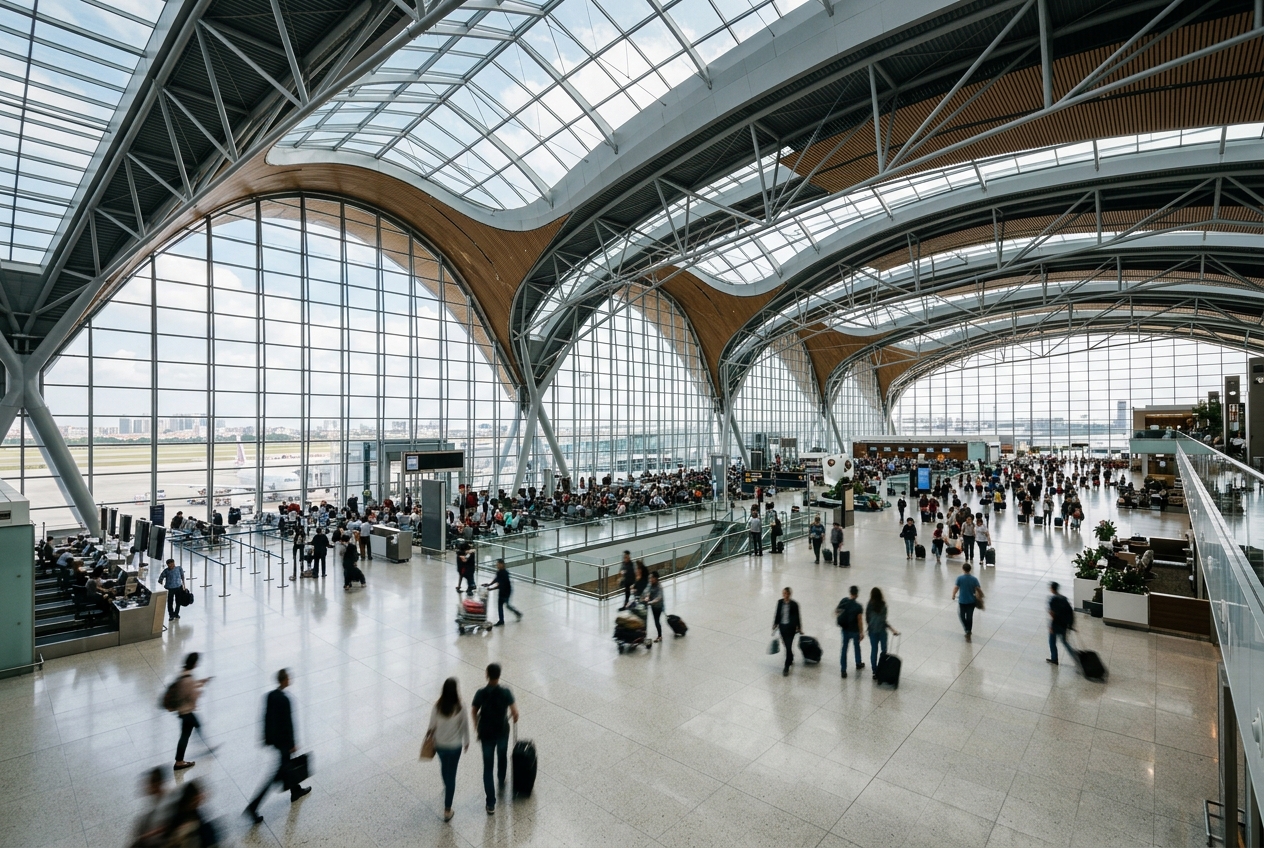
The airport operates a single passenger terminal handling both domestic and international arrivals and departures.
Getting to & from
The airport is located approximately 8 kilometres from Ipoh city centre, accessible by taxi, ride-hailing services, and private vehicles.
Airlines here
AirAsia and Malaysia Airlines (via Firefly) have operated services at this airport, with AirAsia historically providing key domestic connectivity.
Notable facts
- ›Named after Sultan Azlan Shah, a former King of Malaysia and Sultan of Perak.
- ›The airport is situated roughly 8 km south of Ipoh city centre.
- ›It serves as a regional alternative to traveling via Kuala Lumpur for Perak-bound passengers.
- ›The airport has a single runway and a relatively compact passenger terminal.
- ›Ipoh itself is a popular tourist destination known for limestone karst landscapes and colonial heritage.
This profile is provided for general information only. Details may be inaccurate or outdated — always verify with the airport's official website before acting on them.