Translate


Primary international gateway for the world's newest nation.
Location
Juba, South Sudan
Juba International Airport (IATA: JUB, ICAO: HJJJ) is the main civil aviation facility serving Juba, the capital of South Sudan. It functions as the country's primary hub for both domestic and international air travel, handling the bulk of passenger and cargo movements in and out of South Sudan.
The airport has historically operated with limited infrastructure, though expansion and rehabilitation efforts have been undertaken since South Sudan's independence in 2011. It serves a critical humanitarian and diplomatic role, supporting NGO operations, UN missions, and government travel in a country that lacks extensive road and rail networks.
Despite ongoing development challenges, the airport handles flights to regional African destinations as well as connections to the Middle East, making it an essential lifeline for the landlocked nation.
Terminals
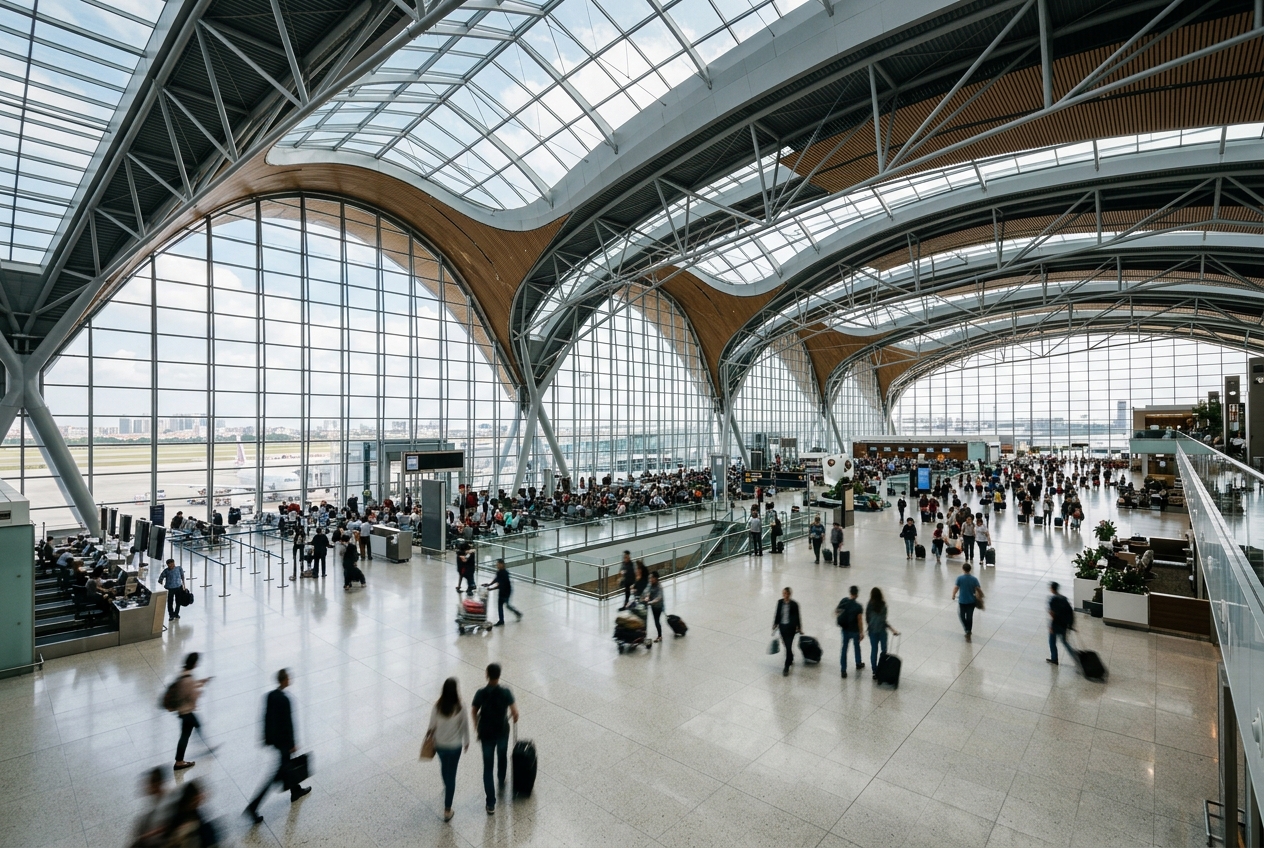
The airport operates a single main terminal building with limited passenger amenities and processing capacity.
Getting to & from
Ground transport between the airport and Juba city center is primarily served by taxis and private vehicles, as no formal public transit link exists.
Airlines here
Major carriers serving Juba International include Ethiopian Airlines, Kenya Airways, Fly Dubai, and Uganda Airlines, among regional operators.
Notable facts
- ›Juba International Airport is the primary and largest airport in South Sudan, the world's youngest country, independent since 2011.
- ›The airport is located approximately 5 kilometers from Juba's city center.
- ›It plays a critical logistics role for humanitarian organizations operating in South Sudan.
- ›The United Nations Mission in South Sudan (UNMISS) makes extensive use of the airport for personnel and supply movements.
- ›Runway and terminal upgrades have been pursued to meet growing international traffic demands.
This profile is provided for general information only. Details may be inaccurate or outdated — always verify with the airport's official website before acting on them.