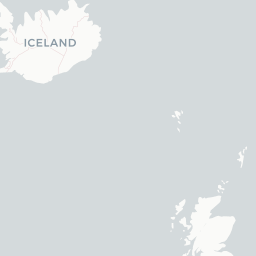

Gateway to the Lofoten Islands in Arctic Norway.
Opened
1975
Location
Leknes, Norway
Leknes Airport is a regional airport serving Leknes and the surrounding Lofoten Islands in Nordland county, Norway. It is one of two airports serving the Lofoten archipelago, the other being Svolvær Airport, Helle, and plays a vital role in connecting this remote island community to mainland Norway.
The airport is operated by Avinor, the Norwegian state-owned airport operator, and handles scheduled domestic flights year-round. Given the Lofoten Islands' growing popularity as a tourist destination, the airport sees a notable increase in passenger traffic during summer months.
Due to its short runway and challenging Arctic coastal weather conditions, the airport is served exclusively by smaller turboprop aircraft suited to the terrain and runway length.
Terminals
The airport has a single small terminal building handling all passenger arrivals and departures.
Getting to & from
Bus and taxi services connect the airport to Leknes town center, with car rental also available at the airport.
Airlines here
Widerøe is the primary airline operating scheduled services from Leknes Airport, connecting it to destinations such as Bodø and other Norwegian regional airports.
Notable facts
- ›Leknes Airport has a runway length of approximately 1,000 meters, limiting it to smaller aircraft operations.
- ›The airport is operated by Avinor, Norway's state-owned airport and air navigation services provider.
- ›It serves as an important lifeline connection for residents of the Lofoten Islands in winter months when sea travel can be difficult.
- ›The Lofoten Islands' dramatic scenery makes the approach to Leknes Airport particularly scenic and weather-sensitive.
- ›ICAO code ENLK and IATA code LKN identify the airport in international aviation systems.
This profile is provided for general information only. Details may be inaccurate or outdated — always verify with the airport's official website before acting on them.