AirlinesAirports.com
Powered by Google TranslateTranslate
Travel planning byTravelerPulse.pro
Airports
PAPlarge airport

Toussaint Louverture International Airport

Explore Port-au-Prince city guide Navigate to this airport
24
Routes out
12
Destinations
MTPP
ICAO
122 ft
Elevation
TravelerPulse profile

Haiti's primary international gateway serving Port-au-Prince.

Opened
1941
Location
Port-au-Prince, Haiti
Toussaint Louverture International Airport is the largest and busiest airport in Haiti, serving as the main entry point for international travelers arriving in Port-au-Prince. Named after the Haitian revolutionary leader François-Dominique Toussaint Louverture, the airport handles the majority of Haiti's commercial air traffic and is a critical hub for humanitarian and relief operations. The airport has faced significant challenges over the years, including damage from the devastating January 2010 earthquake, which temporarily disrupted operations and required international assistance to restore functionality. It has since remained the focal point for relief agencies, NGOs, and commercial airlines operating in and out of Haiti. Despite ongoing infrastructure and security challenges in Haiti, the airport continues to serve multiple international destinations, particularly in North America and the Caribbean, connecting the Haitian diaspora and supporting the country's economy.
Terminals
The airport operates with a single main passenger terminal handling both international and domestic flights.
Getting to & from
Ground transport options from the airport into Port-au-Prince include taxis and private vehicle hire, as there is no formal public transit link.
Airlines here
Major carriers serving the airport include American Airlines, Spirit Airlines, Caribbean Airlines, and Air Caraïbes, among others.
Notable facts
  • Named after Haitian revolutionary leader François-Dominique Toussaint Louverture.
  • The airport was temporarily closed and used as a military hub following the catastrophic January 2010 earthquake.
  • It is the busiest airport in Haiti and handles the vast majority of the country's international air traffic.
  • The airport has served as a critical logistics base for humanitarian organizations operating in Haiti.
  • Security concerns and political instability have periodically affected airline operations at the airport.
This profile is provided for general information only. Details may be inaccurate or outdated — always verify with the airport's official website before acting on them.

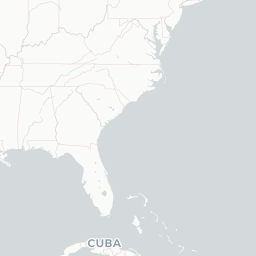
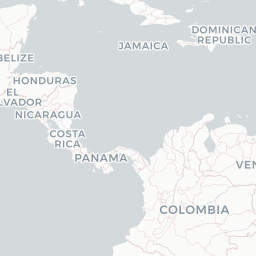
Route map (12 destinations)

Leaflet © OpenStreetMap © CARTO

Routes

PAP → SXM7I · M83
PAP → FLLAA · 738
PAP → MIAAA · 738 763 757
PAP → JFKAA · 763
PAP → YULAC · 763
PAP → JFKAF · 738
PAP → MIAAF · 32A 320
PAP → PTPAF · 320
PAP → PTYAM · 73G 738
PAP → FLLB6 · 320
PAP → JFKB6 · 320
PAP → PTYCM · 73G 738
PAP → ATLDL · 320
PAP → JFKDL · 738
PAP → MIADL · 32A 320
PAP → PLSJY · EM2
PAP → JBQN3 · J32
PAP → FLLNK · 319
PAP → CAPS6 · J32
PAP → JBQS6 · J32
PAP → PTPTX · AT7
PAP → SDQTX · 333
PAP → FLLUS · 738
PAP → MIAUS · 738 763 757
Hotels near PAP

Pick what matters for your layover or early flight, then compare on your favorite booking site.

Compare stays for your dates

AirlinesAirports may receive compensation when you book or purchase through some of the links on this page, at no additional cost to you. Prices and availability are set by the booking provider and may change. We never share your private trip details with partners — only the destination, dates and party size you searched.

City & Place Guide

No guide exists for this place yet — Click to generate a Traveler Pulse guide.

Passport, Visa & Immigration

Flying internationally via PAP? Check entry, transit and customs requirements for Haiti from official government sources.

Toussaint Louverture International Airport
Encyclopaedia

Toussaint Louverture International Airport is an international airport in Tabarre, a commune of Port-au-Prince in Haiti. The airport is an operating hub for Sunrise Airways. It is informally called "the Maïs-Gâté airport", named after the area in the Cul-de-Sac Plain where the airport was built.

Read full article on Wikipedia