Translate


Istria's gateway airport serving Croatia's Adriatic coast.
Opened
1930
Location
Pula, Croatia
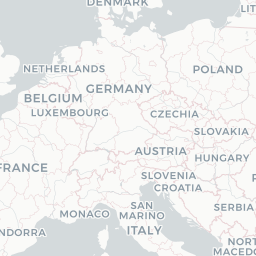
Pula Airport (IATA: PUY, ICAO: LDPL) is an international airport located near Pula, the largest city in Istria County, Croatia. Situated approximately 6 kilometres northeast of the city centre, it serves as the primary air gateway to the Istrian Peninsula, a popular tourist destination on the Adriatic Sea.
The airport handles predominantly seasonal charter and low-cost traffic, with passenger numbers peaking during the summer months due to heavy leisure tourism. It has undergone infrastructure upgrades over the years to accommodate growing visitor demand to the region.
Pula Airport is operated by the Pula Airport authority and plays a vital role in connecting Istria with European markets, particularly the United Kingdom, Germany, and other Western European countries during the tourist season.
Terminals
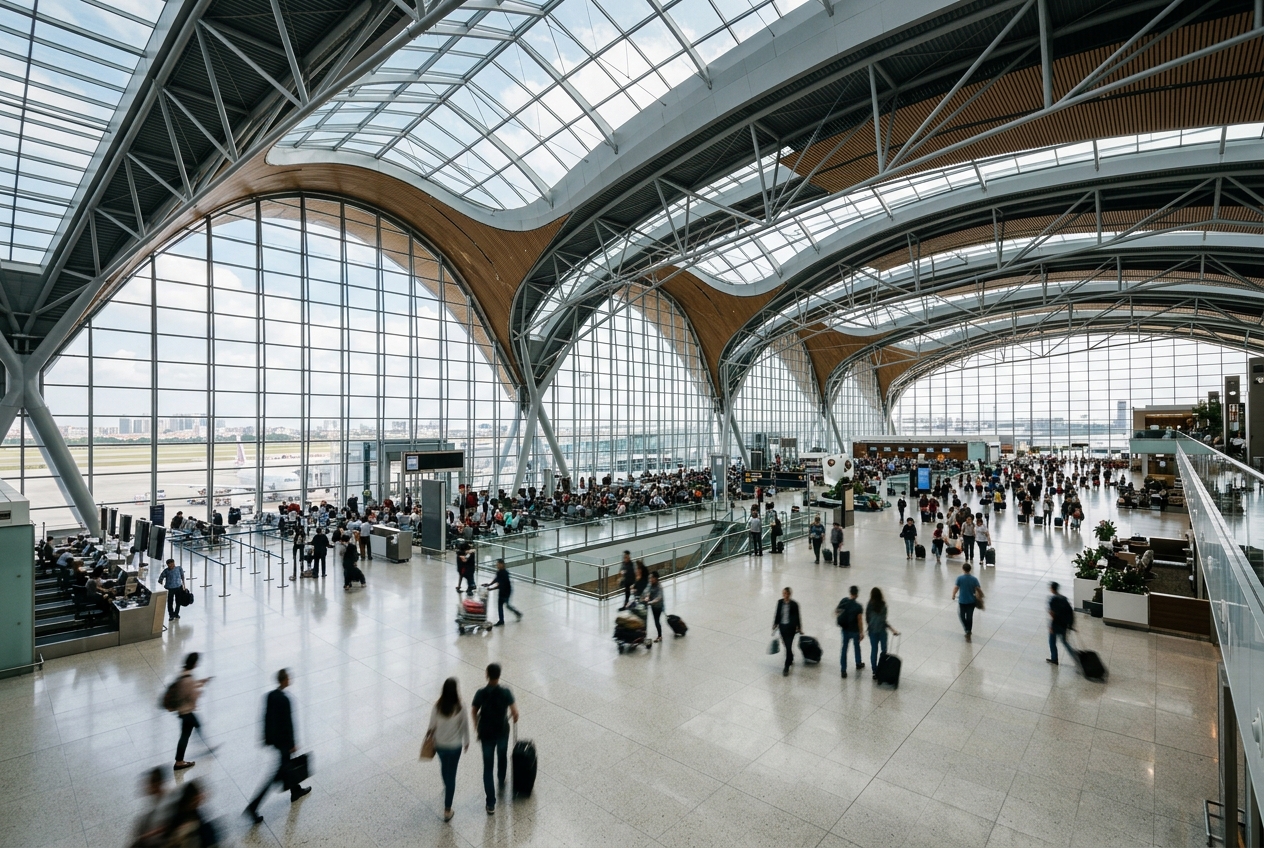
The airport operates a single passenger terminal handling both domestic and international arrivals and departures.
Getting to & from
Ground transport options include bus services and taxis connecting the airport to Pula city centre, approximately 6 kilometres away.
Airlines here
Major carriers operating at Pula include Ryanair, easyJet, Eurowings, and various charter airlines serving European leisure markets.
Notable facts
- ›Located on the Istrian Peninsula, one of Croatia's most visited tourist regions.
- ›The airport has military origins and was used as an airfield during earlier historical periods.
- ›Passenger traffic is highly seasonal, with the majority of flights operating between April and October.
- ›The airport is situated near the historic Roman city of Pula, home to a well-preserved Roman amphitheatre.
- ›Pula Airport has a single runway designated 09/27.
This profile is provided for general information only. Details may be inaccurate or outdated — always verify with the airport's official website before acting on them.