Translate



Saarland's gateway airport connecting Germany's southwest to Europe.
Opened
1909
Location
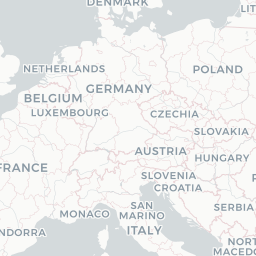
Saarbrücken, Germany
Saarbrücken Airport (IATA: SCN, ICAO: EDDR) is the primary commercial airport serving the Saarland region in southwestern Germany, located near the borders of France and Luxembourg. It handles a modest volume of passengers, primarily serving leisure and business travelers on routes within Europe.
The airport has a long history dating back to the early 20th century and has operated under various names and configurations over the decades. It serves as a regional hub offering connections to major European destinations, though its traffic volume is relatively limited compared to larger German airports.
In recent years, the airport has faced commercial challenges, with fluctuating airline routes and passenger numbers. Despite this, it continues to offer scheduled and charter services, and its strategic tri-border location gives it geographic significance.
Terminals
The airport operates a single passenger terminal handling all commercial arrivals and departures.
Getting to & from
The airport is connected to Saarbrücken city center by bus services, with the journey taking approximately 20–30 minutes, and is also accessible by taxi and car.
Airlines here
Ryanair has been among the notable carriers operating at Saarbrücken, with various charter and regional airlines also providing seasonal services.
Notable facts
- ›Saarbrücken Airport is situated close to the French and Luxembourgish borders, making it accessible to a cross-border catchment area.
- ›The airport has historically operated under the name Saarbrücken-Ensheim Airport, referencing the Ensheim district where it is located.
- ›Passenger numbers have generally remained below one million annually in recent years.
- ›The airport has faced financial and operational pressures, leading to periods of reduced scheduled service.
- ›It is owned and operated by the state of Saarland.
This profile is provided for general information only. Details may be inaccurate or outdated — always verify with the airport's official website before acting on them.