Gateway to the U.S. Virgin Islands in the Caribbean.
Opened
1944
Location
Charlotte Amalie, U.S. Virgin Islands
Cyril E. King Airport is the primary commercial airport serving the U.S. Virgin Islands, located on the western tip of St. Thomas island near Charlotte Amalie. It handles the majority of air traffic for the territory, connecting the islands to major U.S. mainland cities and other Caribbean destinations.
The airport is named after Cyril Emmanuel King, who served as the second elected Governor of the U.S. Virgin Islands. It operates under the jurisdiction of the Virgin Islands Port Authority and serves millions of passengers annually, particularly during the busy tourist season.
Due to its location on a relatively small island, the airport faces geographic constraints, with the runway extending close to the water. It is a vital transportation hub for residents, tourists, and inter-island travel throughout the U.S. Virgin Islands.
Terminals
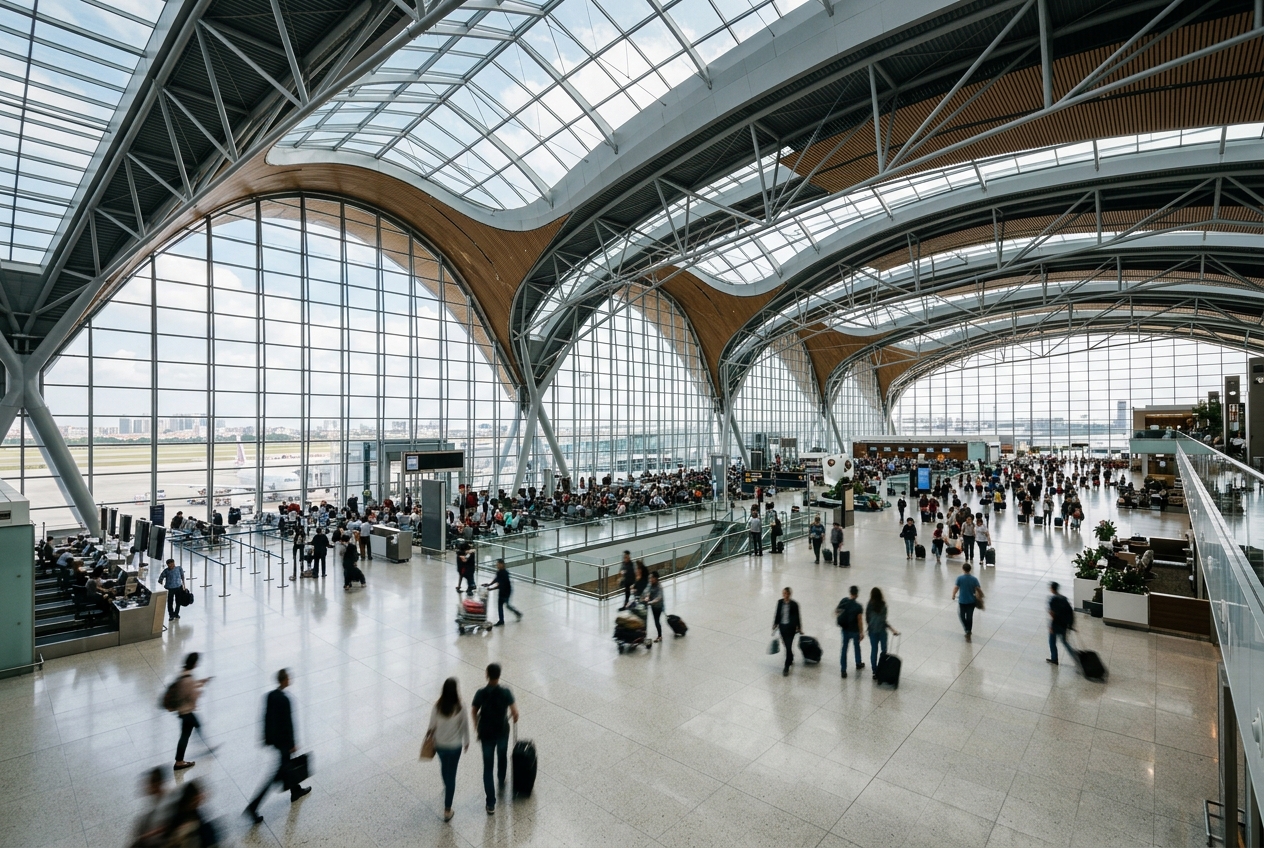
The airport has a single terminal building handling both domestic and international arrivals and departures.
Getting to & from
Ground transportation options include taxis, rental cars, and shared vans connecting the airport to Charlotte Amalie and other parts of St. Thomas.
Airlines here
Major airlines serving STT include American Airlines, Delta Air Lines, United Airlines, and Spirit Airlines, with connections primarily to U.S. mainland hubs.
Notable facts
- ›Named after Cyril Emmanuel King, the second elected Governor of the U.S. Virgin Islands.
- ›The runway ends near the water due to the island's limited land area.
- ›Operated by the Virgin Islands Port Authority.
- ›Serves as the main gateway for tourists visiting St. Thomas, a major cruise and resort destination.
- ›The airport was originally constructed during World War II.
This profile is provided for general information only. Details may be inaccurate or outdated — always verify with the airport's official website before acting on them.