
Gateway to the Gulf of Guinea island nation.
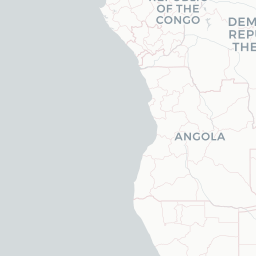
Location
São Tomé, São Tomé and Príncipe
São Tomé International Airport is the principal airport serving São Tomé and Príncipe, an island nation located in the Gulf of Guinea off the western coast of Central Africa. It handles the vast majority of international arrivals and departures for the country, connecting the islands to destinations in Africa and Europe.
The airport is situated close to the capital city of São Tomé, making it conveniently accessible for travelers. Given the small size of the country, it serves as the sole major international gateway, playing a critical role in the nation's tourism and trade.
Infrastructure is modest, reflecting the country's limited population and passenger volumes. The airport has undergone periodic improvements to support growing regional connectivity and meet international safety standards.
Terminals
The airport operates a single small terminal building handling both international and domestic passengers.
Getting to & from
Taxis are the primary means of ground transport between the airport and São Tomé city center, located just a few kilometers away.
Airlines here
Airlines serving São Tomé International Airport include TAP Air Portugal, Air France, Afrijet, and STP Airways, the national carrier.
Notable facts
- ›The airport's single runway is approximately 2,200 meters in length.
- ›São Tomé and Príncipe is one of Africa's smallest and least populous nations, keeping passenger volumes low.
- ›The airport serves as the primary entry point for the country's growing ecotourism sector.
- ›Transiting through Lisbon or Libreville is common for travelers reaching São Tomé from outside the region.
- ›The ICAO code FPST reflects São Tomé and Príncipe's country prefix FP.
This profile is provided for general information only. Details may be inaccurate or outdated — always verify with the airport's official website before acting on them.