

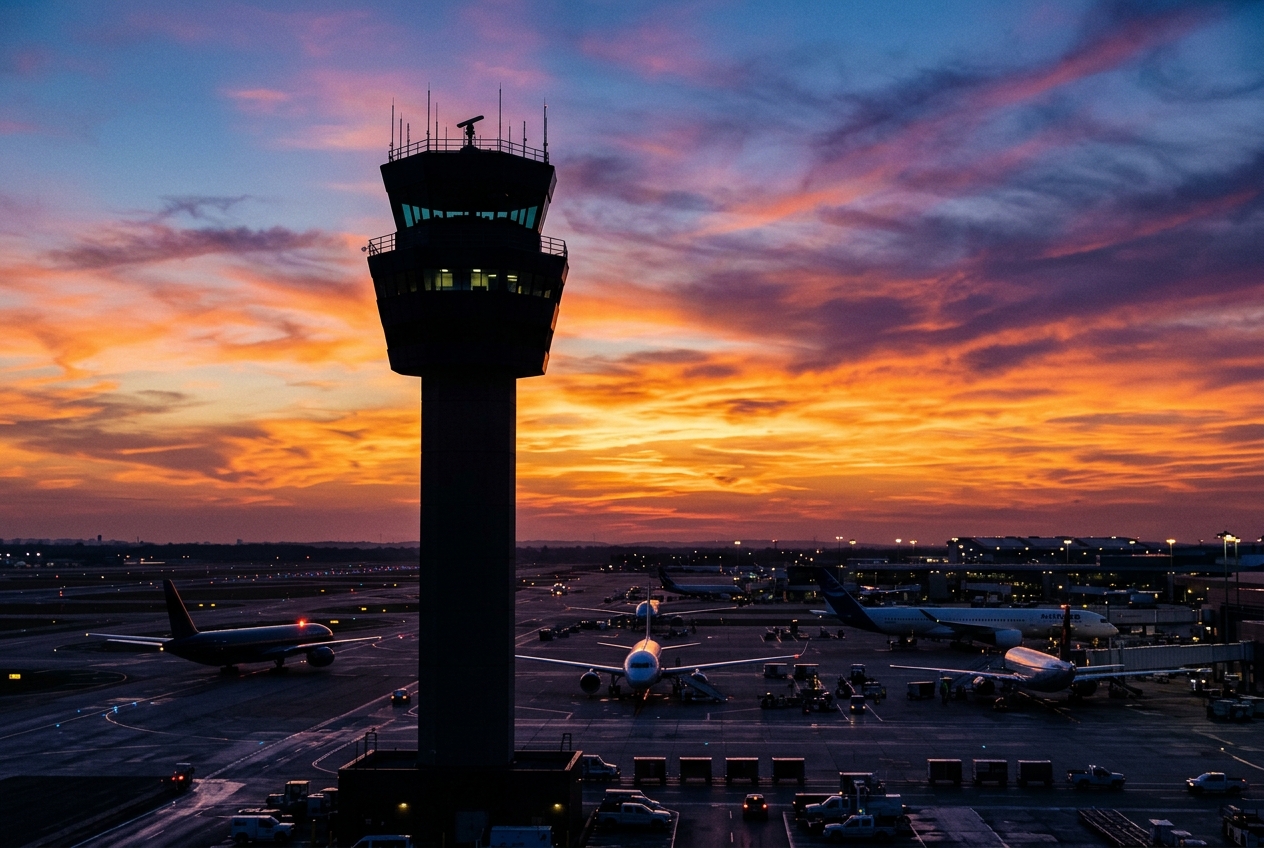
Soviet-era military air base in contested Crimea.
Location
Dzhankoy, Ukraine
Dzhankoy Air Base is a military airfield located near the city of Dzhankoy in the northern part of the Crimean Peninsula. It was established during the Soviet era and served as a base for Soviet military aviation operations.
Following Russia's annexation of Crimea in 2014, the facility came under de facto Russian military control, though Ukraine and most of the international community continue to regard it as Ukrainian territory. The base has been reported as a site of Russian military activity during the ongoing conflict in the region.
The airfield is not open to commercial aviation and has no civilian passenger operations. It carries the ICAO code UKFY, which reflects its Ukrainian registration, though its operational status and control remain disputed.
Notable facts
- ›Located in the northern Crimean Peninsula near the city of Dzhankoy.
- ›Established during the Soviet era as a military aviation facility.
- ›Came under de facto Russian control following the 2014 annexation of Crimea.
- ›No commercial or civilian aviation operations are conducted at the airfield.
- ›Ukraine and most international bodies still consider the facility Ukrainian territory.
This profile is provided for general information only. Details may be inaccurate or outdated — always verify with the airport's official website before acting on them.