Translate


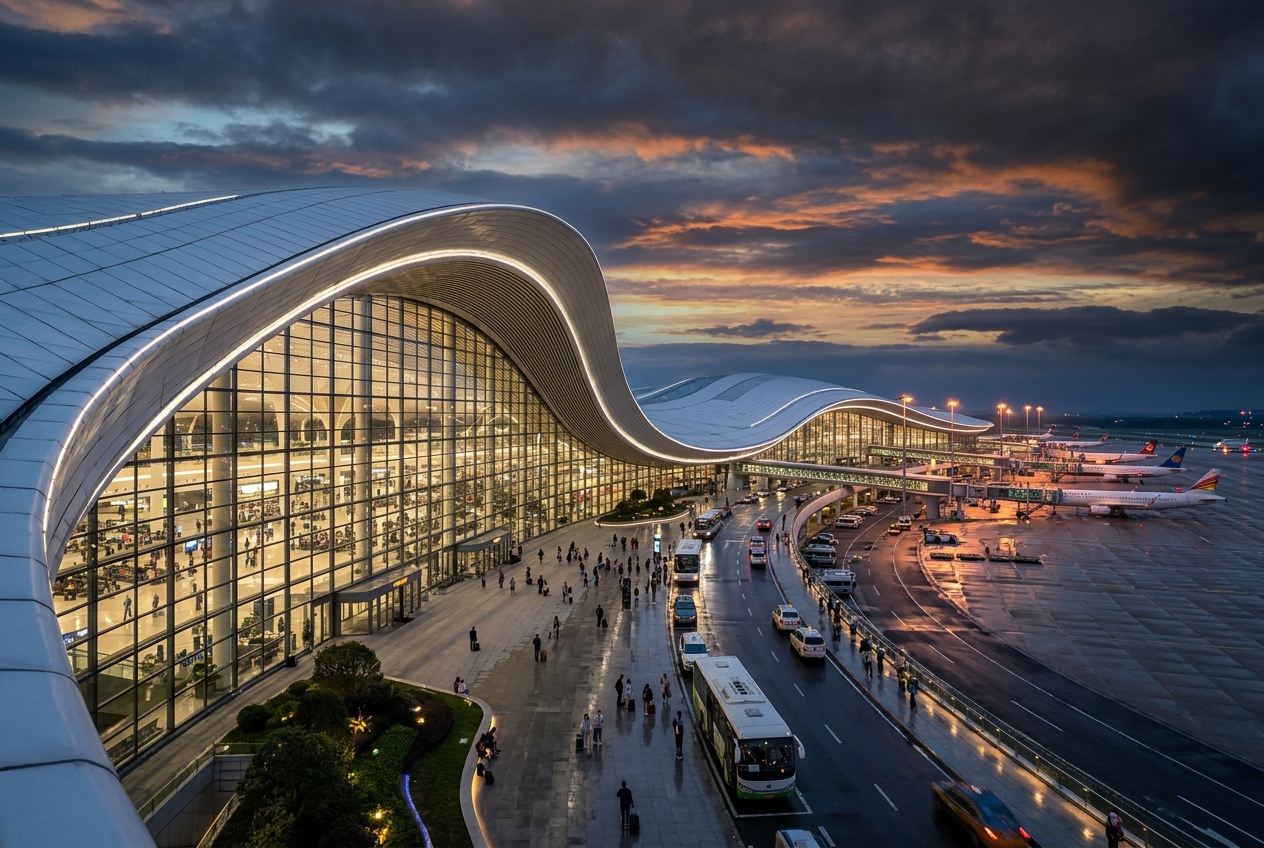
The Mekong Delta's primary international gateway.
Opened
1970
Location
Can Tho, Vietnam
Can Tho International Airport (IATA: VCA, ICAO: VVCT) is the main airport serving Can Tho, the largest city in Vietnam's Mekong Delta region. It handles both domestic and limited international flights, connecting the delta to Hanoi, Ho Chi Minh City, and select regional destinations.
The airport was upgraded and expanded in the 2000s to support growing passenger demand and to reduce congestion at Ho Chi Minh City's Tan Son Nhat Airport. It plays a key economic role for the Mekong Delta, facilitating trade, tourism, and regional connectivity.
While Can Tho is designated an international airport, the majority of its traffic remains domestic, with Vietnamese carriers such as Vietnam Airlines, VietJet Air, and Bamboo Airways operating regular services. Its capacity and route network continue to evolve as the region develops.
Terminals
The airport has a single passenger terminal handling both domestic and international arrivals and departures.
Getting to & from
The airport is located approximately 8–10 kilometres from the city centre and is accessible primarily by taxi and private vehicle.
Airlines here
Major carriers include Vietnam Airlines, VietJet Air, and Bamboo Airways, primarily operating domestic routes.
Notable facts
- ›Can Tho is the largest city in the Mekong Delta and a key regional hub for southern Vietnam.
- ›The airport was upgraded significantly in the 2000s to achieve international airport status.
- ›Most traffic is domestic, with Ho Chi Minh City and Hanoi being the primary destinations.
- ›The airport has a runway length sufficient to handle narrow-body jet aircraft such as the Airbus A320 family.
- ›It serves as an alternative gateway to relieve pressure on Ho Chi Minh City's Tan Son Nhat Airport.
This profile is provided for general information only. Details may be inaccurate or outdated — always verify with the airport's official website before acting on them.