Translate


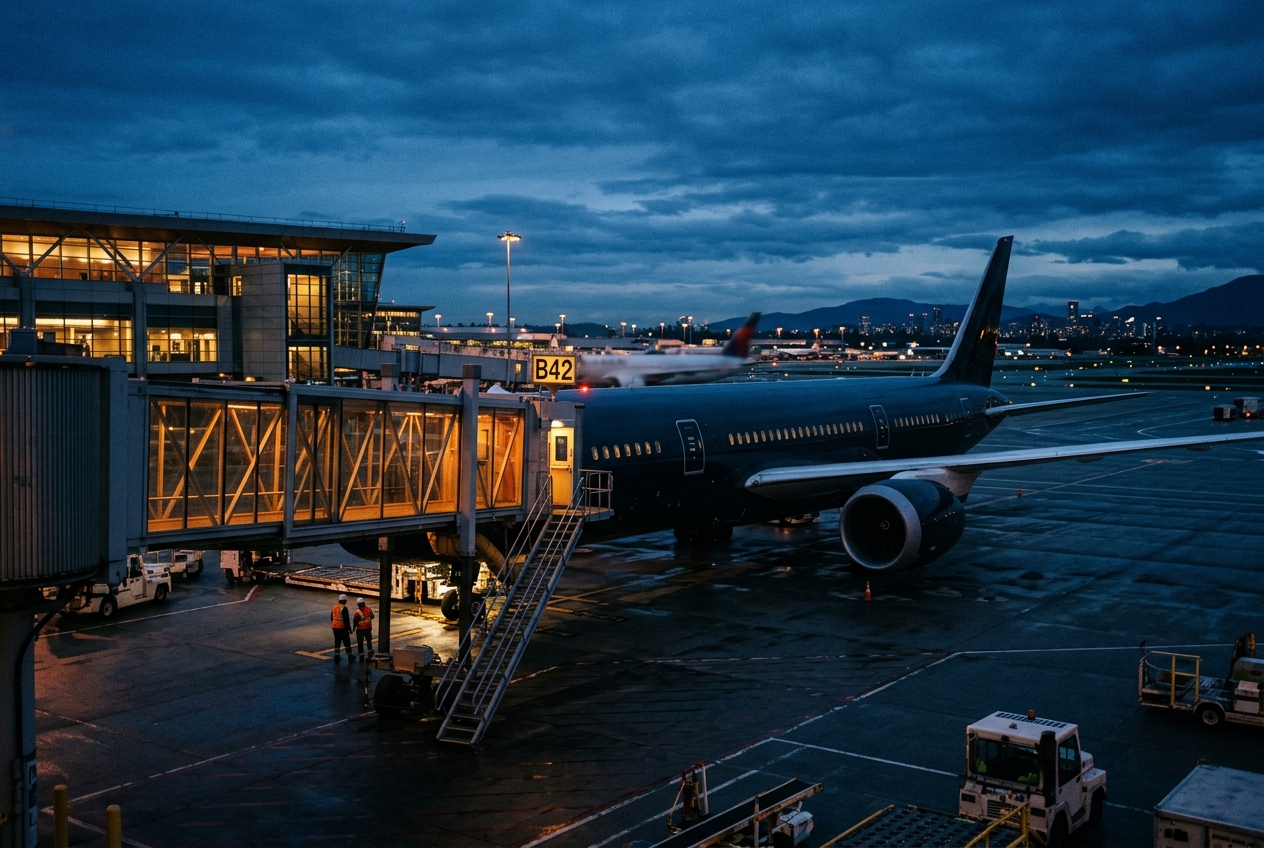
Gateway to the River City on New Zealand's North Island.
Opened
1935
Location
Whanganui, New Zealand
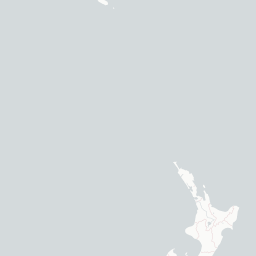
Wanganui Airport is a small regional airport serving Whanganui (formerly Wanganui), a city situated on the west coast of New Zealand's North Island along the Whanganui River. The airport handles light passenger and general aviation traffic, connecting the region to major New Zealand hubs.
The airport is operated by Whanganui District Council and supports both scheduled regional services and private aviation. Its relatively modest infrastructure reflects the size of the community it serves, with a single runway and basic passenger facilities.
Historically, Air New Zealand's regional partners have provided scheduled connections to Wellington and other centres, making the airport an important transport link for residents and visitors exploring the wider Manawatū-Whanganui region.
Terminals
The airport has a single small terminal building handling all passenger arrivals and departures.
Getting to & from
Taxis and private vehicles are the primary means of ground transport between the airport and Whanganui city centre, approximately 4 kilometres away.
Airlines here
Air New Zealand Link services, historically operated by regional carriers such as Sounds Air, have connected Whanganui to Wellington.
Notable facts
- ›The airport is owned and operated by Whanganui District Council.
- ›It has a single asphalt runway designated 09/27.
- ›The airport supports general aviation, agricultural aviation, and limited scheduled services.
- ›Whanganui Airport sits near the coast on relatively flat terrain west of the city.
- ›Scheduled passenger services have fluctuated over the years due to regional demand changes.
This profile is provided for general information only. Details may be inaccurate or outdated — always verify with the airport's official website before acting on them.