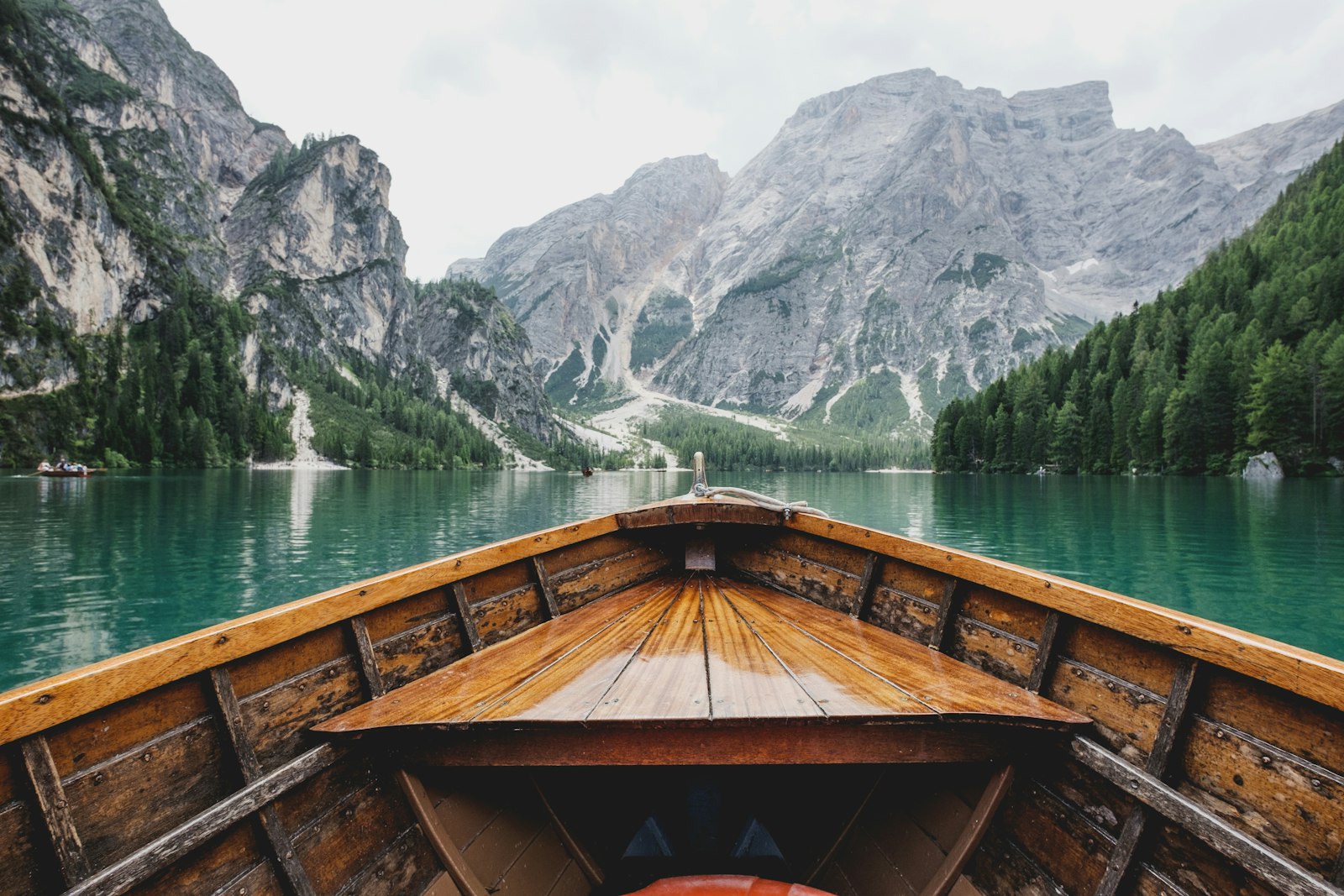
Lakes are among the most varied and rewarding destinations on earth — serene or adventurous, remote or resort-ready — and knowing what to look for before you go makes all the difference between a good trip and a great one.
Why Lake Destinations Deserve a Place on Your Travel List
Oceans get the headlines, but lakes quietly deliver some of travel's most compelling experiences. They appear at every elevation and in every climate: volcanic craters in East Africa, glacial basins in Patagonia, vast freshwater seas straddling international borders, and still mountain tarns accessible only on foot. That variety is the point. Whatever kind of traveler you are — family vacationer, solo hiker, wildlife photographer, kayaker, or someone who simply wants to sit with a view and a good book — a lake destination exists that fits you precisely.
Lakes also tend to reward slower travel. Unlike a city break packed with museums and restaurants, a lake trip invites you to linger: watch the light change across water, take the longer trail, rent the boat for a full day rather than an hour. That pacing suits all experience levels.
Understanding the Types of Lakes You Might Visit
Not all lakes are alike, and the geology behind a lake shapes everything from its color and depth to its surrounding landscape and the activities it supports.
- Glacial lakes are carved by retreating ice sheets or glaciers. They tend to be deep, cold, and strikingly clear, often ringed by mountains. Think of the famous lake districts of the Alps, Patagonia, or the Canadian Rockies.
- Tectonic lakes form where the earth's crust has rifted or shifted. They are frequently very deep and ancient, harboring unique endemic species. Several of the world's largest and oldest lakes fall into this category.
- Volcanic or crater lakes sit inside the calderas or craters of volcanoes. Their colors — vivid blue, green, or even acidic yellow — can be extraordinary, though some carry safety considerations (see below).
- Oxbow and floodplain lakes form alongside rivers in flat terrain. They often support exceptional birdlife and are common in tropical regions.
- Artificial reservoirs are human-made but can be beautiful and well-developed for recreation. Many popular "lake" destinations are actually reservoirs.
Knowing which type you're visiting helps you set expectations for water temperature, visibility, wildlife, and access.
Choosing the Right Lake for Your Trip
Before booking, ask yourself a few practical questions.
- What activities matter most to you? Swimming, kayaking, fishing, hiking, wildlife watching, and sailing each have different lake requirements. A shallow, warm lake suits swimming; a deep, wind-exposed lake suits sailing.
- How much infrastructure do you want? Some lakes are ringed by towns with hotels, restaurants, and boat rentals. Others require camping permits, multi-day hikes, or charter transport just to reach the shore.
- Who is traveling with you? Children, elderly travelers, or anyone with mobility considerations will benefit from developed lakesides with easy access, paved paths, and nearby medical facilities.
- What is your budget range? Iconic lake destinations in popular regions often carry premium accommodation prices, especially in summer. Lesser-known lakes in the same country can offer comparable scenery at a fraction of the cost.
- What season works for you? This is critical — covered in detail below.
Seasons and Timing: When to Go
Timing a lake trip well can transform the experience. Lakes respond dramatically to the seasons.
- Spring brings snowmelt inflow that can make water levels high and currents strong. Wildflowers bloom around alpine lakes, and visitor numbers are manageable. Water temperatures are still cold in most regions.
- Summer is peak season for most lake destinations in the Northern Hemisphere. Water is warmest, all facilities are open, and activities are at their broadest. It is also the most crowded and most expensive time to visit popular destinations. Book accommodation months in advance.
- Autumn (fall) is a strong contender for the best overall time at many lake destinations. Foliage color, lower crowds, moderate prices, and still-reasonable water temperatures align. Fishing is often excellent.
- Winter transforms temperate lakes into quiet, sometimes frozen landscapes. Some freeze entirely, enabling ice fishing, skating, or cross-country skiing across the surface where permitted. Facilities may be limited or closed. In warmer climates — tropical or subtropical lake regions — winter can be the dry season and an ideal time to visit.
In the Southern Hemisphere, these seasonal patterns are reversed. Tropical lake destinations near the equator operate more on wet/dry season logic than temperature swings. Always research the specific regional pattern before you book.
Getting There and Getting Around
Access varies enormously. Some of the world's most famous lakes are served by international airports within an hour's drive and connected by frequent public transport. Others require small propeller aircraft, multi-hour boat rides, or rugged overland journeys.
Once at a lake destination, your main transport options typically include:
- Ferries and passenger boats — common on larger lakes and often the most scenic way to move between towns or islands.
- Rental cars or motorbikes — useful for circumnavigating a lake and stopping at viewpoints on your own schedule.
- Bicycles — many lake circuits are well-suited to cycling, and bike rental is widely available at popular destinations.
- Hiking trails — lakeside and lake-rim trails of varying difficulty exist at most natural lake destinations.
For cross-border lakes — where one body of water spans two or more countries — entry requirements apply separately for each side. Check visa rules for every country you intend to visit. The /visas section at TravelerPulse.pro can help you get oriented, but always verify requirements directly with official government sources before travel.
Accommodation Options at Lake Destinations
The range is wide. At developed lake resorts you'll find international hotel chains, boutique properties with private docks, lakeside campgrounds, and self-catering cottages. At remote lakes the choice may narrow to a single guesthouse, a backcountry campsite, or nothing at all — meaning you pack in everything you need.
A few tips:
- Waterfront rooms command a significant premium. Decide early whether the view is worth the extra cost to you.
- At high-altitude lakes, nighttime temperatures can drop sharply even in summer. Confirm your accommodation has adequate heating.
- If camping, check whether fires are permitted and whether bear canisters or similar precautions are required in the region.
Activities on and Around Lakes
Lakes support an unusually broad menu of activities, which is a large part of their appeal.
- Swimming — Check for designated swimming areas, water quality advisories, and any hazards such as strong currents, boat traffic, or harmful algal blooms before entering the water.
- Kayaking and canoeing — Accessible to beginners and deeply rewarding. Many destinations offer guided tours that include wildlife interpretation.
- Sailing and motorboating — Larger lakes support sailing clubs and boat charters. Licensing requirements for operating motorized boats vary by country and sometimes by state or province.
- Fishing — One of the oldest reasons people travel to lakes. Fishing licenses are required in most jurisdictions; invasive species regulations mean some bait and equipment rules are strict. Check local rules carefully.
- Wildlife watching — Lakes attract migratory birds, fish-eating raptors, and in some regions large mammals. Dawn and dusk are typically the most productive times.
- Hiking and trekking — Circumnavigation trails, ridge walks above the lake, and crater-rim routes provide context and perspective that no boat ride can match.
- Winter sports — Ice fishing, skating, and ice sailing on frozen lakes; alpine and nordic skiing at lake destinations with nearby mountain terrain.
Safety Considerations Specific to Lakes
Lakes present a specific set of hazards that differ from ocean travel. Take them seriously.
- Cold water shock — Even on a warm day, glacial and high-altitude lakes can be dangerously cold. Cold water shock can incapacitate a swimmer within seconds. Know the water temperature before swimming, and enter gradually.
- Sudden weather changes — Lakes surrounded by mountains can generate rapid, violent storms. Monitor forecasts and get off the water well before storms arrive.
- Harmful algal blooms (HABs) — In warm weather, some lakes develop blue-green algae blooms that are toxic to humans and animals. Watch for posted warnings and do not swim in discolored or foul-smelling water.
- Altitude — High-altitude lakes mean thinner air. Allow acclimatization time and reduce physical exertion for the first day or two after arrival.
- Volcanic crater lakes — Some crater lakes emit volcanic gases that can be dangerous at the surface, particularly in still or windless conditions. Research specific lakes and follow any access restrictions.
- Boat and water traffic — Swim only in designated areas away from boat lanes. Wear a life jacket on all small watercraft.
Environmental Responsibility at Lake Destinations
Lakes are sensitive ecosystems under real pressure from tourism, agriculture, and climate change. Travelers can make a genuine difference.
- Use biodegradable sunscreen and soap, and never wash directly in a lake or its tributaries.
- Pack out all waste, including fishing line and tackle, which can kill birds and fish.
- Respect no-go zones, nesting areas, and depth restrictions on motorized boats.
- Do not introduce non-native species — this means thoroughly cleaning kayaks, wetsuits, and other gear between different water bodies to prevent the spread of invasive aquatic plants and animals.
- Stick to marked trails to prevent erosion of the fragile lakeside habitat.
Practical Packing for a Lake Trip
Packing well for a lake destination depends on your activities and the season, but a core kit applies broadly:
- Layered clothing — lakeside temperatures fluctuate more than you expect, especially at altitude or after sunset
- Quality waterproof jacket and waterproof bag or dry sacks for electronics
- Sunscreen with high SPF — water reflects UV radiation significantly
- Polarized sunglasses to reduce glare and improve visibility in and around water
- Insect repellent — lakeside environments can be prolific mosquito habitats
- A refillable water bottle; in some regions lake water is potable with a filter, reducing plastic waste
- Binoculars for wildlife watching
Frequently Asked Questions
Is it safe to swim in any lake?
Not automatically. Water quality, temperature, currents, boat traffic, and algal bloom status all vary. Look for posted swimming advisories, designated bathing areas, and lifeguard presence where available. When in doubt, check with local tourism offices or park rangers before entering the water.
Do I need special permits to visit remote or protected lakes?
Many lakes inside national parks, wilderness areas, or indigenous territories require entry permits, camping permits, or both. Quotas are common at heavily visited destinations and can sell out months ahead. Always check the specific land management authority's website for the destination you have in mind.
How do I handle a cross-border lake where two countries share the water?
Each country controls its own shoreline. You may need separate visas or entry documents for each side, and border crossing points are not always obvious. Research this thoroughly before planning any boat journey that crosses the international boundary. Official embassy or government immigration websites are the authoritative source for visa requirements.
What is the best way to find lesser-known lake destinations?
Regional tourism boards, hiking and paddling club forums, and travel communities — including the destination discovery discussions at TravelerPulse.pro — are useful starting points. Searching for lakes within a country or region rather than searching for famous lakes specifically often surfaces excellent alternatives with far fewer crowds.
Conclusion
A lake destination can be as simple as an afternoon at a local reservoir or as ambitious as a multi-week expedition to a remote tectonic giant. The planning principles are the same regardless of scale: understand the type of lake you're visiting, match the season to your activities, arrive prepared for the weather and safety conditions specific to that environment, and travel with enough care to leave the water and its surroundings as intact as you found them. Do those things, and a lake trip will rarely disappoint.
Use My Travel Hub on TravelerPulse.pro to keep your itinerary, documents, and destination notes organized in one place as you plan — particularly useful when a lake trip spans multiple access points, countries, or activity types.


