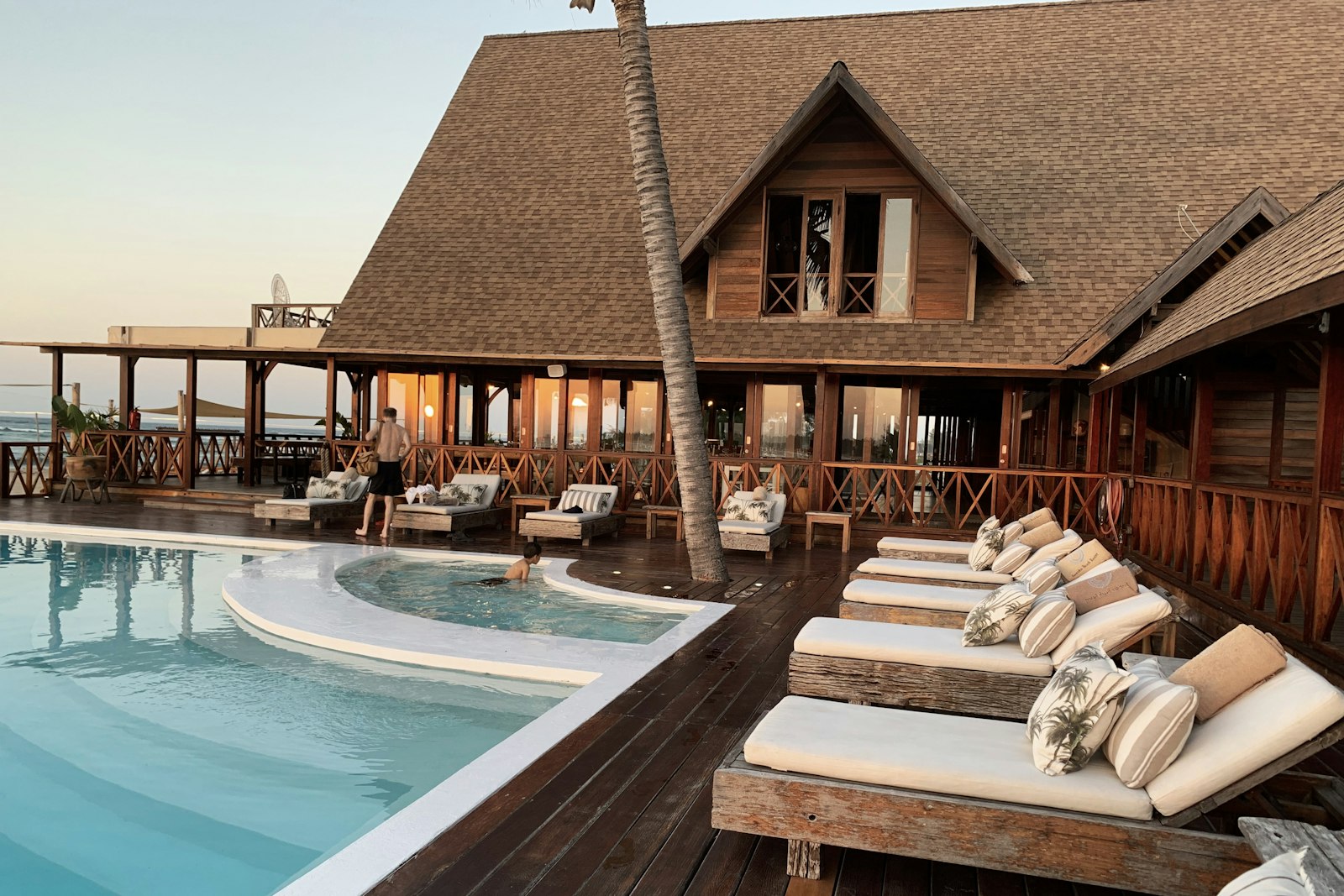
Motels deliver no-frills, drive-up convenience at price points that keep road-trip budgets intact — but knowing what to look for separates a restful night from a regrettable one.
The motel — short for "motor hotel" — was built around the car. Rooms open directly onto a parking lot, check-in is fast, and the whole model assumes you arrived by vehicle and plan to leave early. For generations of road-trippers, cross-country drivers, and budget-conscious travelers, motels have been the default overnight stop. They remain a practical choice today, provided you understand what they offer and what they don't.
What Makes a Motel Different from a Hotel
The distinction has blurred over the decades, but the traditional differences are worth knowing:
- Room access: Classic motels have exterior corridor rooms — your door opens directly to the parking lot or an outdoor walkway. Hotels typically have interior corridors accessed through a central lobby.
- Scale: Motels are usually smaller properties, often one or two stories, with fewer amenities than full-service hotels.
- Location: Motels cluster along highways, near interstate exits, and on the outskirts of towns. Hotels concentrate in city centers and airport zones.
- Staffing: A motel may run with a skeleton crew, especially overnight. Don't expect a concierge, bellhop, or 24-hour room service.
- Price: Per night, motels are generally among the most affordable accommodation categories, though rates vary considerably by location and season.
Many modern "motels" now feature interior corridors, pools, and continental breakfast — effectively bridging the gap with budget hotels. The label tells you less than it once did, so always review the specific property.
Types of Motels
Independent Motels
Family-owned or locally operated properties that aren't affiliated with a national chain. Quality ranges enormously — some are immaculate and characterful; others are tired and poorly maintained. Reviews are your best tool here.
Chain and Franchise Motels
Branded properties operate under quality standards set by the parent company, which creates more predictability. Loyalty programs attached to these brands can earn you points toward free nights. Familiar budget-oriented brands exist across North America, Europe, and beyond, though brand names and franchises vary by region.
Extended-Stay Motels
Designed for stays of a week or more, these properties offer kitchenettes or full kitchens and weekly rate structures. They attract workers on temporary assignment, people relocating, or travelers who need a base for longer regional exploration.
Boutique and Retro Motels
Renovated mid-century properties, often on historic routes like Route 66, have become destinations in their own right. Expect stylish rooms, curated design, and prices closer to boutique hotels than roadside budget stops.
What to Expect: Standard Amenities
A typical motel room includes a bed (or beds), private bathroom, television, Wi-Fi (quality varies), a small desk or table, and climate control. Beyond that, expect variation:
- Parking: Almost always free and adjacent to your room — one of the motel's strongest practical advantages.
- Breakfast: Some properties include a continental breakfast; many don't. Confirm before booking if this matters to you.
- Pool: Common at mid-range properties, less so at the budget end. Seasonal availability varies by climate.
- Ice and vending machines: A motel staple — useful for road-trippers hauling coolers.
- Laundry: On-site coin laundry is common at extended-stay properties and many standard motels.
- Pet policy: Motels are often more pet-friendly than hotels, though policies and fees differ — always confirm in advance.
What you generally won't find: a fitness center, full restaurant, room service, luggage storage, or a concierge. If those matter, a hotel or hostel with more services may suit you better.
Pricing and Booking
Motel rates are influenced by location, season, local events, and day of the week. Highway-exit motels in rural areas can be very affordable; the same brand in a tourist town during peak season may charge considerably more. A few principles:
- Booking directly through the motel's own website or phone line sometimes yields a better rate or more flexible cancellation terms than third-party platforms — worth comparing.
- Walk-in rates used to be reliably lower than advance bookings; this is no longer consistently true. Book ahead when traveling in peak periods or through popular corridors.
- Many motels still accept cash, which some travelers prefer. Confirm payment methods before arrival, especially at independent properties.
- A credit card hold for incidentals is standard at most motels, even if you pay cash for the room.
Choosing a Good Motel: What to Check Before You Book
Not all motels are equal. Spend five minutes on due diligence before committing:
- Recent reviews: Look at reviews from the past three to six months. Older reviews may not reflect current management or condition. Pay attention to comments about cleanliness, noise, and staff responsiveness.
- Photo scrutiny: Professional marketing photos flatter every property. Sort for guest-uploaded photos to see what rooms actually look like.
- Location check: Open a map. Is the motel near a highway on-ramp (noise), an industrial area, or a neighborhood that gives you pause? Proximity to a 24-hour diner or gas station can be a plus for early departures.
- Cancellation policy: Budget properties sometimes require non-refundable payment at booking. Know the terms.
- Amenity confirmation: If the listing says "pool" or "breakfast included," a quick call to confirm it's currently operational takes thirty seconds and prevents disappointment.
Safety at Motels
Exterior-corridor rooms, while convenient, do present different considerations than interior-corridor hotels. Practical steps that experienced road-trippers take:
- Request a room on an upper floor (where available) or away from the parking lot entrance.
- Use the door's deadbolt and any secondary security bar or chain whenever you're inside.
- A portable door alarm or door wedge is a lightweight addition to any travel kit and provides extra peace of mind.
- Don't leave valuables visible in your car. In-room safes are rare at motels — use your locked vehicle's trunk or carry valuables inside.
- Note emergency exit locations when you arrive, especially if traveling with children.
- Trust your instincts on arrival. If the property feels significantly worse than its photos or reviews suggested, front desks at nearby competing properties can often accommodate a last-minute switch.
Motel Etiquette and Practical Tips
- Check-in and check-out times: Standard check-in is typically mid-afternoon; check-out is mid-morning. Arriving early or leaving late may incur fees. Call ahead if you expect a very late arrival — some smaller motels have limited overnight staffing.
- Noise awareness: Exterior corridors mean conversations and car doors carry. Keep voices down late at night and early in the morning.
- Smoking policies: Most motel properties in North America and Europe are now non-smoking throughout. Violating this usually triggers a substantial cleaning fee.
- Housekeeping: For short stays, daily housekeeping may not be guaranteed. If you need fresh towels, front desk staff can usually supply them.
When a Motel Makes the Most Sense
Motels are the right call in specific situations:
- You're driving long distances and need a quick, affordable overnight stop where parking is guaranteed.
- You're traveling with a vehicle full of gear — bikes, camping equipment, sporting goods — and want to park right outside your door.
- You're passing through a rural area where hotel options are scarce.
- You have an early morning departure and want a fast exit without lobby lines or elevator waits.
- You're traveling with pets and need a flexible lodging option.
- Budget is the primary constraint and the stay is purely functional.
International Equivalents
The motel format is most deeply rooted in North American road culture, but similar concepts exist globally. Australia and New Zealand have a strong motel tradition, often with higher baseline quality than American budget equivalents. In Europe, roadside pensiones, guesthouses, and budget chain properties fill a comparable niche, though the drive-up exterior-corridor format is less common. In many parts of Asia, small guesthouses and roadside inns serve the same practical purpose. The name differs; the core traveler need — an affordable bed near the road — is universal.
Keeping Your Trip Organized
If you're stringing several motel stops together on a road trip, keeping confirmation numbers, check-in times, and pet policies in one place saves friction. TravelerPulse.pro's My Travel Hub lets you log accommodation details alongside the rest of your journey so nothing slips between the cracks when you're covering miles.
Frequently Asked Questions
Do motels require a credit card even if I pay cash?
Many do. A credit or debit card is commonly required as a security hold for potential incidentals or damages, even when you intend to settle the room rate in cash. Confirm the property's specific policy when booking — independent motels vary more than chain properties on this point.
Are motels safe for solo travelers?
Thousands of solo travelers stay in motels without incident every night. The precautions outlined above — door security, room selection, not displaying valuables — apply especially to solo travelers. Reading recent reviews specifically for comments about security gives a useful snapshot of a property's real-world environment.
What is the difference between a motel and a motor inn?
The terms are largely interchangeable. "Motor inn" tends to signal a slightly larger or more amenity-rich property — sometimes with a small restaurant or pool on-site — but there is no industry-standard distinction. Evaluate the specific property rather than relying on the label.
Can I book a motel for just a few hours?
Most motels rent by the night and do not offer hourly rates. A handful of properties in specific markets offer day-use rates for travelers who need a rest between flights or long drives — but this is not standard. Ask the property directly if this is what you need.
Conclusion
The motel's enduring appeal is rooted in simplicity: pull in, park outside your room, sleep, leave. For road-trippers, budget travelers, and anyone who values speed and convenience over lobby grandeur, that formula still works. The key is doing a few minutes of research before you book — checking recent reviews, confirming amenities, and understanding the property's location — so that the simplicity you're paying for delivers a genuinely restful night rather than a frustrating one.


