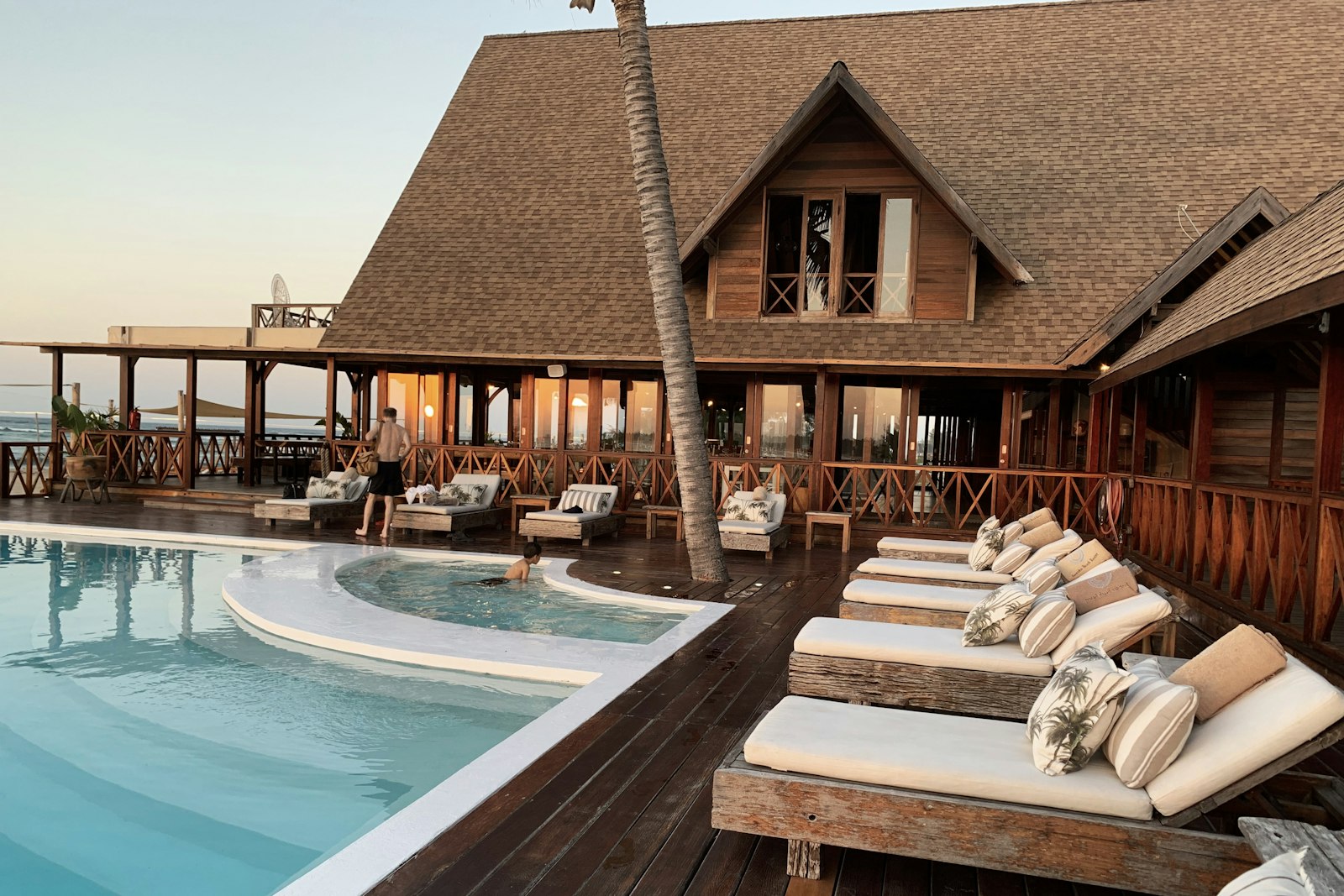
Resorts are self-contained travel destinations designed to keep guests comfortable, entertained, and well-fed without ever leaving the property — but knowing what to look for before you book makes the difference between a dream holiday and an expensive disappointment.
What Exactly Is a Resort?
A resort is a lodging property that goes beyond simply providing a bed for the night. It bundles accommodation with on-site recreation, dining, and services — often enough to fill an entire trip without stepping off the grounds. That might mean a sprawling Caribbean beachfront property with a dozen restaurants and four pools, a mountain lodge with ski-in/ski-out access, or an intimate adults-only retreat centered on wellness.
The word "resort" is not a protected term in most countries, so any hotel can technically call itself one. Learning to read between the lines of marketing language is an essential skill before you commit to a booking.
Main Types of Resorts
- Beach and island resorts. Built around sand, sea, and water sports. Common in the Caribbean, Southeast Asia, the Mediterranean, and Pacific islands. Activities typically include snorkeling, diving, kayaking, and sailing.
- Ski and mountain resorts. Located at or near ski areas, these properties focus on winter sports in peak season and hiking, mountain biking, or wellness in the off-season.
- Spa and wellness resorts. Programming centers on treatments, fitness, nutrition, and mindfulness. Some operate on structured programs where guests follow a set daily schedule.
- Golf resorts. On-site courses are the main draw, often accompanied by high-end dining, spa facilities, and conference space.
- Safari and eco-lodges. Remote wilderness properties emphasizing guided wildlife experiences, conservation, and low-impact design. Found throughout sub-Saharan Africa, Latin America, and parts of Asia.
- Family resorts. Structured around children's programming — kids' clubs, water parks, supervised activities — while also offering adult-focused spaces and amenities.
- City and urban resorts. Full-service luxury hotels in urban settings that market their spas, pools, and extensive F&B as a resort experience, even without a natural landscape backdrop.
- Casino resorts. Gaming is the anchor, surrounded by theaters, celebrity-chef restaurants, pools, and convention facilities.
All-Inclusive vs. Room-Only vs. Half-Board
The pricing structure you choose will shape almost every aspect of your trip, so understanding the differences matters.
- All-inclusive (AI). One upfront price covers accommodation, most or all meals, non-premium drinks, and a set range of activities and entertainment. Ideal for travelers who want predictable spending and hate making daily decisions. Watch the fine print — "premium" spirits, off-site excursions, spa treatments, and some specialty restaurants are almost always excluded.
- Room-only. You pay for accommodation alone. Every meal and activity is à la carte. Gives maximum flexibility but requires careful budgeting; resort restaurants and bars can be significantly more expensive than comparable venues off-property.
- Bed and breakfast (B&B rate). Accommodation plus breakfast included. A practical middle ground for travelers who want a reliable morning meal but prefer dining out for lunch and dinner.
- Half-board. Breakfast and dinner are included. Popular at European and mountain resorts, and a reasonable option if you expect to be out exploring at lunchtime.
- Full-board. Three daily meals included, drinks typically not. Less common today outside of safari lodges and wellness retreats.
There is no universally superior option. A couple who rarely leaves the beach may extract excellent value from an all-inclusive; an active family that spends most of the day on excursions might be better served by a room-only rate and local restaurants.
Reading a Resort's Amenity List Critically
Marketing materials list everything a property has ever offered. Reality can differ. Before booking, look specifically for:
- Pool details. How many pools? Are there dedicated adult pools? What are the hours? Some resorts have impressive pool photos but only one main pool that becomes crowded.
- Beach access. Is the beach directly in front of the resort, or shared with the public? Is the sand swimmable or mainly decorative?
- Dining variety. Count the number of restaurants and check if specialty venues require reservations or a surcharge. An AI resort with one buffet and one à la carte restaurant will feel repetitive on longer stays.
- Kids' club age ranges and hours. Some children's programs only operate a few hours a day or have narrow age brackets.
- Renovation schedules. A partial renovation can close pools, restaurants, or entire wings. Ask the property directly before booking.
- Resort fees. Many properties — particularly in North America — add a mandatory daily resort fee on top of the room rate. These fees vary widely and are not always clearly disclosed at the search stage.
Room Categories and How to Choose
Large resorts can offer a dozen or more room categories. A few principles help:
- Garden view vs. ocean view vs. oceanfront. An "ocean view" may mean a distant sliver of blue between buildings. "Oceanfront" typically means your balcony directly faces the water. If that matters to you, pay for it explicitly rather than hoping to be upgraded.
- Club floors and butler suites. Higher-category rooms at many luxury resorts include access to a private lounge with food and drinks throughout the day, dedicated check-in, and concierge-level service. If you plan to spend time on-property, this inclusion often reduces overall spend.
- Overwater bungalows. Associated primarily with the Maldives, Bora Bora, and parts of Southeast Asia. They offer unmatched privacy and direct lagoon access. Confirm whether your bungalow is in calm, swimmable water or primarily decorative lagoon.
- Interconnecting rooms. Essential for families. Request these at booking, not at check-in, and confirm in writing.
Booking Strategy and Timing
Resort pricing is dynamic and heavily seasonal. High season at a Caribbean property coincides with North American and European winter; in Southeast Asia, dry season commands peak rates. A few consistent principles apply:
- Booking well in advance secures room category availability, not necessarily the lowest price. Many resorts release promotional rates closer to the date to fill unsold inventory.
- Direct booking with the property often comes with perks — room upgrades, early check-in, resort credits — that third-party platforms cannot offer.
- Loyalty programs at major hotel groups can provide meaningful value at affiliated resorts: free nights, suite upgrades, and amenity credits accumulate quickly when you concentrate stays.
- Travel agents who specialize in resorts (particularly for luxury and honeymoon properties) often have access to preferred partner rates and complimentary inclusions unavailable to the general public.
- Shoulder season — the weeks just before or after peak season — typically delivers meaningfully lower rates with only minor trade-offs in weather or crowd levels.
Use the My Travel Hub on TravelerPulse.pro to keep your resort reservation details, confirmation numbers, and pre-arrival requests organized in one place alongside your flights and transfers.
Getting the Most from Your Resort Stay
- Pre-arrival communication. Email the resort a week before arrival to note any special occasions, dietary restrictions, or room preferences. Many properties will action these requests if staff are given enough notice.
- Activity booking. Popular resort activities — cooking classes, excursions, spa treatments, specialty restaurant reservations — fill quickly. Book these the moment you check in, or in advance if the property allows.
- Understand what is included. At an AI property, read the inclusions list carefully. Confirm which bars, pools, and restaurants are in-scope before you order.
- Leave the property occasionally. Even the best resort can feel insular after several days. A half-day local excursion, a meal at a nearby restaurant, or a quick town visit adds perspective and often a memorable experience.
- Check out resort credits strategically. If your booking includes a resort credit, plan how to use it before arrival — spa treatments, excursions, or dining — rather than scrambling on departure day.
Accessibility Considerations
Resort properties vary enormously in their accessibility infrastructure. Travelers with mobility requirements should contact the property directly — not just review the website — to ask specific questions about room layouts, pool access, beach terrain, and pathway surfaces. Accessible room categories often have limited inventory and book early.
Health, Safety, and Travel Insurance
Resorts, particularly those in tropical destinations, can involve activities with real physical risk: water sports, horseback riding, zip-lining, and similar pursuits. Confirm whether your travel insurance policy covers activities you plan to undertake, and whether the resort's own liability waivers affect your coverage. For destination-specific health advisories, check your government's official travel health portal before departure.
Visa and entry requirements for many popular resort destinations change periodically. The Passport & Visa section on TravelerPulse.pro is a useful starting point, but always verify current requirements through official government sources before travel.
Environmental and Ethical Considerations
Large-scale resort development has a documented impact on coastal ecosystems, freshwater resources, and local economies. Travelers who care about these issues can look for properties with credible third-party sustainability certifications, locally sourced food programs, community employment policies, and transparent conservation contributions. Be skeptical of vague "eco" branding without supporting evidence.
Frequently Asked Questions
Is all-inclusive always the best value at a resort?
Not necessarily. All-inclusive pricing tends to deliver strong value for guests who eat, drink, and use resort amenities consistently throughout the day. Travelers who plan to spend most of their time on tours or prefer dining off-property may find that room-only rates — even accounting for outside meal costs — work out cheaper. Run the numbers for your specific travel style before deciding.
What is a resort fee and can it be waived?
A resort fee (also called a destination fee or amenity fee) is a mandatory daily charge added to the room rate at many properties, covering amenities such as Wi-Fi, pool towels, fitness center access, or parking. Policies on waiving resort fees vary by property and are increasingly linked to elite loyalty status. Always factor this charge into your total cost comparison when searching for accommodation.
How early should I book a resort for peak season travel?
For popular destinations during peak periods — Christmas and New Year, spring break, summer in Europe — the best room categories at well-regarded resorts can sell out six months to a year in advance. Booking early protects room choice; some properties also offer early-booking rate promotions. That said, last-minute availability does sometimes surface, particularly for shoulder-of-peak dates.
What should I tip at an all-inclusive resort?
Tipping culture at all-inclusive resorts varies significantly by destination and property policy. Some resorts explicitly prohibit tipping; others encourage it; in some countries it is a meaningful component of staff income. Research the norms for your specific destination before arrival and carry small bills in the local currency if tipping is customary.
Conclusion
A well-chosen resort delivers more than accommodation — it sets the rhythm of your entire trip. The key is matching the property's strengths to your actual travel style: an ultra-active family and a couple seeking quiet luxury have almost nothing in common in their ideal resort. Spend as much time evaluating what you genuinely want from a stay as you do comparing prices, read the fine print on inclusions, and communicate with the property before you arrive. Done right, a resort stay can be genuinely effortless travel.


