Translate



Colombia's busiest gateway, connecting Latin America and beyond.
Opened
1959
Location
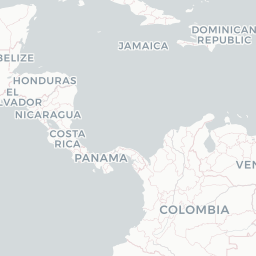
Bogotá, Colombia
El Dorado International Airport (BOG/SKBO) is the primary international airport serving Bogotá, the capital of Colombia. Located in the Fontibón district at an elevation of approximately 2,548 meters (8,360 feet) above sea level, it is one of the highest major airports in the world, which affects aircraft performance and fuel load calculations.
El Dorado consistently ranks as the busiest airport in Colombia and one of the busiest in Latin America by passenger volume and cargo throughput. It serves as the primary hub for Avianca and a key hub for LATAM Colombia, connecting the country to dozens of international destinations across the Americas, Europe, and beyond.
The airport underwent a major modernization and expansion program in the 2000s and 2010s, resulting in the current Terminal 1 (El Dorado) and Terminal 2 (Puente Aéreo). The upgrade significantly increased capacity, improved passenger facilities, and modernized airside infrastructure.
Terminals
The airport operates two terminals: Terminal 1 (El Dorado), which handles the majority of international and domestic traffic, and Terminal 2 (Puente Aéreo), primarily used by Avianca for select domestic routes.
Getting to & from
Ground transport options include the TransMilenio Bus Rapid Transit system with a direct express route to the city center, taxis, app-based rideshare services, and hotel shuttle buses.
Airlines here
Avianca uses El Dorado as its primary hub, while LATAM Colombia, Copa Airlines, American Airlines, Air France, Iberia, and several other international carriers also operate scheduled services here.
Notable facts
- ›El Dorado is one of the highest-altitude major international airports in the world at approximately 2,548 m (8,360 ft) above sea level.
- ›It is consistently ranked among the top airports in Latin America by total cargo volume.
- ›The airport is named after the legendary El Dorado, the mythical city of gold sought by Spanish conquistadors.
- ›A major infrastructure overhaul modernized the airport between roughly 2006 and 2015, adding a new international terminal and expanding capacity.
- ›El Dorado handles over 30 million passengers in peak years, making it Colombia's busiest aviation hub.
This profile is provided for general information only. Details may be inaccurate or outdated — always verify with the airport's official website before acting on them.