Overview
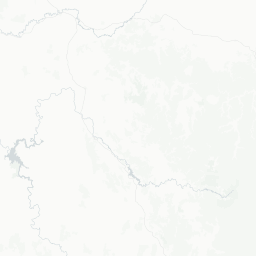
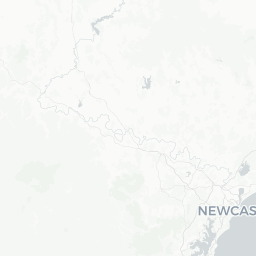
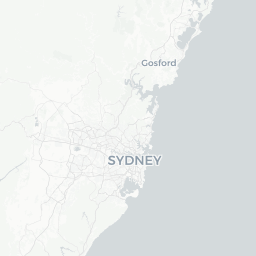
Orange is a regional city of around 42,000 people situated on the Central Tablelands of New South Wales, roughly 260 km west of Sydney. At an elevation of approximately 860 metres above sea level — one of the highest cities in Australia — it enjoys a genuine four-season climate that sets it apart from most of coastal New South Wales.
The city sits on Wiradjuri Country, and the surrounding region carries deep Aboriginal cultural significance predating European settlement. In the 1850s, gold was discovered nearby at Ophir, drawing a rush of prospectors and giving Orange much of its architectural character — wide streets, Victorian-era civic buildings, and a sturdy commercial core that survives largely intact.
Today Orange is best known for two things: its cool-climate wine industry, with dozens of cellar doors within easy reach, and a food culture that punches well above its weight for a city of its size. The surrounding district also produces apples, cherries, stone fruit, and pasture-raised meats, feeding a restaurant scene genuinely rooted in local produce.
Before You Go
Visas
Australia requires most visitors to hold a visa or electronic travel authority before arrival. Requirements vary by nationality. Check the TravelerPulse Visas section and the Australian Department of Home Affairs website for current, authoritative guidance before booking.
Climate
Orange has a cool temperate climate. Summers (December–February) are warm but rarely extreme, typically reaching the mid-to-high 20s °C. Winters (June–August) are cold and can bring overnight frosts and occasional snow on nearby Mount Canobolas; pack layers if travelling then. Spring and autumn are generally pleasant and are the peak tourism seasons.
What to pack
- Layers year-round; mornings and evenings cool down quickly even in summer
- Sturdy walking shoes if you plan to visit cellar doors with vineyard trails or the Mount Canobolas reserve
- A light rain jacket; rainfall is fairly evenly distributed across the year
Key festivals to time around
- FOOD Week Orange (usually April): a major annual food and wine event drawing chefs, producers, and visitors from across Australia — verify current dates and ticketing via the official event website
- Festival of Gardens (spring, usually October): self-guided tours of private and public gardens in bloom
Getting There
By air
Orange Airport (OAG) receives regional flights operated by Rex (Regional Express), typically connecting to Sydney. Flight times are short — under an hour from Sydney. Check current schedules and fares directly with Rex or through flight aggregators, as regional routes can change.
By train
NSW TrainLink operates a daily train service between Sydney Central and Orange. The journey takes roughly three to three-and-a-half hours and passes through the Blue Mountains, making it a scenic option. Verify current timetables and book via the Transport for NSW website or at a station.
By bus
NSW TrainLink also runs coach services to Orange from Sydney and from other regional centres. Journey times and routes — verify locally or via Transport for NSW.
By car
Driving from Sydney via the Great Western Highway (A32) or the more direct but partly rural Mitchell Highway takes approximately three hours depending on traffic and route chosen. The roads are generally well-maintained. Be alert for wildlife, particularly at dawn and dusk.
Getting Around
Orange's city centre is compact and walkable; most cafés, restaurants, and shops on Summer Street and Byng Street are accessible on foot from central accommodation. The city does not have an extensive public bus network, so exploring the broader wine region and outlying attractions requires a car.
Car hire is available in Orange; check with national rental companies for availability. Taxis and ride-share services operate in the city, though coverage in rural areas outside town is limited.
If you plan to visit multiple cellar doors, consider a designated driver arrangement, joining a small-group wine tour (several local operators run these — verify current options locally), or using a taxi/ride-share for the day. Drink-driving laws in Australia are strictly enforced.
Things to See & Do
Wine and cellar doors
The Orange wine region (GI) is defined partly by altitude, which produces wines with good natural acidity — cool-climate varieties such as Pinot Noir, Chardonnay, Riesling, and Sauvignon Blanc perform particularly well here. Dozens of cellar doors operate within a 30–40 km radius of the city; most require no appointment for weekend visits but it is worth calling ahead for weekday or smaller boutique producers. Pick up the regional cellar door map from the Orange Visitor Information Centre on Byng Street.
Mount Canobolas State Conservation Area
Rising to about 1,395 metres, Mount Canobolas is the eroded remnant of a large shield volcano and the highest point in the Central Tablelands. The reserve offers walking trails through open woodland, picnic areas, and views across the surrounding plains. The summit road may be closed in winter conditions — check conditions before visiting.
Cook Park and Botanic Garden
Adjacent to the city centre, Cook Park is one of the largest urban parks in regional New South Wales. It contains a duck pond, rose gardens, a velodrome, and a small botanic garden section. The cherry blossoms nearby (particularly along Wade Park and surrounding streets) draw visitors each spring.
Heritage and history
- Orange Regional Museum: covers the city's history including the gold rush era and Wiradjuri heritage — verify current opening hours and admission locally
- Civic buildings and streetscapes: self-guided walking maps are available from the visitor centre; the courthouse, post office, and various Victorian commercial buildings along Summer Street are worth a look
- Ophir Reserve: the site of Australia's first payable gold discovery, about 27 km north of Orange — a historic site with walking access to the creek
Cycling
A network of shared paths connects parts of the city. The Central Tablelands cycling trails extend into the surrounding countryside for more experienced riders.
Food & Drink
Orange has developed a well-regarded food scene grounded in regional produce. The area supplies apples, cherries, stone fruit, lamb, beef, and artisan goods to kitchens around Australia, and many local restaurants source directly from surrounding farms.
Summer Street and the surrounding central blocks contain the highest concentration of cafés and restaurants. The style ranges from relaxed all-day cafés to more formal dining rooms attached to rural properties. Bookings are advisable at popular spots, especially on weekends and during FOOD Week.
The Orange Farmers Market typically runs on the second Saturday of each month at the Orange Showground — verify current schedule locally. It offers a direct way to buy regional fruit, vegetables, preserves, cheeses, and smallgoods from producers.
The wine bars in the city centre generally pour a strong selection of Orange GI wines by the glass, making them a practical way to sample the region without committing to full cellar door visits. Local cider — produced from the region's apple orchards — is also worth seeking out.
Shopping
Orange's main retail strip runs along Summer Street and into the connecting blocks. You will find independent boutiques, homeware stores, bookshops, and gift retailers alongside standard regional-town retail.
For regional food products to take home — preserves, wines, olive oils, and artisan goods — the visitor centre, selected bottle shops, and the farmers market are reliable stops. Several cellar doors also sell their wines to take away.
A shopping mall (Orange City Centre) provides supermarket access and everyday retail for those staying for several days.
Practical Information
Emergency services
In any emergency in Australia, dial 000 for police, fire, or ambulance.
Hospital
Orange Health Service (Orange Base Hospital) is the main public hospital for the region, located on Forest Road. For non-emergency medical needs, several GP clinics operate in the city centre — verify locations and hours locally or via the healthdirect.gov.au directory.
Money
ATMs are available throughout the city centre. Card payment is widely accepted, including contactless. Currency exchange is limited in regional cities; change money before leaving Sydney if you are arriving with foreign currency.
Connectivity
Mobile coverage from major Australian carriers (Telstra, Optus, Vodafone) is generally reliable within the city. Coverage can become patchy in more remote vineyard and bushland areas outside town; Telstra tends to have the widest rural reach.
Visitor Information Centre
The Orange Visitor Information Centre on Byng Street is a useful first stop for maps, cellar door guides, event information, and accommodation advice. Verify current opening hours before visiting.
Safety
Orange is a low-key regional city with no significant safety concerns for visitors. Standard urban precautions apply — be aware of your belongings in busy areas and keep valuables out of sight in parked vehicles.
If walking in the Mount Canobolas reserve or on rural trails, tell someone your plans, carry water, and check weather forecasts. Temperatures at altitude can drop quickly and unexpectedly, even in summer. Frost and ice on roads and trails can occur in winter.
Wildlife awareness is important when driving, particularly at night. Kangaroos and wombats are active near roadsides at dusk and dawn; reduce speed accordingly on rural roads.
For bushfire information during summer and autumn, monitor the NSW Rural Fire Service website and alerts.