Overview
Brisbane is the capital of Queensland and Australia's third-largest city, straddling the Brisbane River roughly 75 km inland from the Pacific coast. With a population of around 2.8 million in the greater metropolitan area, it has matured from a large regional hub into a genuinely cosmopolitan destination with a strong arts scene, varied dining, and a subtropical climate that encourages outdoor living year-round.
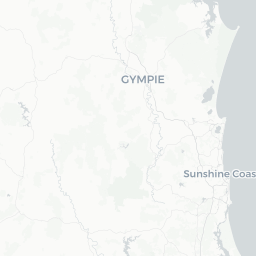
The city sits between two of Australia's most visited coastal playgrounds — the Gold Coast to the south and the Sunshine Coast to the north — making it a natural base for a wider Queensland itinerary. The Brisbane River loops dramatically through the urban core, and much of daily life orients around its banks: ferry commutes, riverside restaurants, cycling paths, and kayaking are all part of the ordinary fabric of the city.
Brisbane is scheduled to host the 2032 Summer Olympics and Paralympic Games, a commitment that has accelerated significant infrastructure investment across transport, venues, and public spaces. Visitors in the years leading up to the Games will notice active development alongside already-polished neighbourhoods like South Bank, Fortitude Valley, and West End.
The city's Indigenous heritage belongs to the Turrbal and Jagera peoples, whose connection to Country long predates European settlement beginning in 1825. A growing number of cultural experiences and interpretive programs reflect this history, and visitors are encouraged to engage with them thoughtfully.
Before You Go
Visas
Australia requires most international visitors to hold a valid visa or travel authority before arrival. Requirements vary significantly by nationality. Check TravelerPulse's Visas section for general guidance, then verify your specific situation with the Australian Department of Home Affairs (homeaffairs.gov.au) before booking.
Climate
Brisbane has a humid subtropical climate. Winters (June–August) are warm and mostly dry, with daytime temperatures typically in the low-to-mid 20s°C — the most comfortable season for sightseeing. Summers bring heat, high humidity, and afternoon thunderstorms; temperatures regularly exceed 30°C and occasionally reach the high 30s. Rainfall is possible year-round but peaks in the summer months. The UV index is high to extreme for most of the year; sunscreen, a hat, and sunglasses are practical necessities, not optional.
Health
No vaccinations are required for entry to Australia from most countries, but routine immunisations should be up to date. Australia's public and private healthcare systems are well developed. Travel insurance with medical cover is strongly recommended, as public hospital services are not free for international visitors. Tick and mosquito awareness is relevant if you plan bushwalking or time in green areas, particularly after rain.
Money and Connectivity
ATMs are widely available throughout the city. Major credit and debit cards are accepted almost universally, and tap-to-pay (contactless) is the dominant payment method. Tipping is not customary in Australia, though it is appreciated in restaurants for good service. Mobile coverage in the urban area is strong across Australia's main carriers; international roaming or a local SIM (available at the airport and convenience stores) are both practical options.
Getting There
By Air
Brisbane Airport (BNE) is the primary international and domestic gateway, located approximately 13 km north-east of the CBD. It handles direct flights from major hubs across Asia-Pacific, the Middle East, the United States, and within Australia. The Airtrain rail service connects the airport's two terminals to Roma Street and Central stations in the city; journey time is roughly 20–25 minutes. Verify current Airtrain timetables and fares on the official Airtrain website or the TransLink journey planner, as schedules and pricing change. Taxis and rideshare services (including Uber) are available from designated ranks outside each terminal.
By Train (Interstate)
Queensland Rail's long-distance services and NSW TrainLink connect Brisbane to Sydney (a journey of many hours — verify current schedules with the relevant operator). Roma Street station is the principal intercity terminal, centrally located in the CBD.
By Bus (Coach)
Intercity coach services operate from the Roma Street Transit Centre. Operators connect Brisbane to the Gold Coast, Sunshine Coast, Cairns, and interstate to Sydney. Check current operators and timetables directly, as services change.
By Car
Brisbane is accessible via the Pacific Motorway (M1) from the south and the Bruce Highway from the north. Driving into the CBD involves tolls on several key routes; ensure your vehicle has a compatible tag or make arrangements for casual payment, as cash toll booths are no longer common on Queensland motorways.
Getting Around
Public Transport (TransLink)
Brisbane's public transport network is operated under the TransLink umbrella and includes trains, buses, and ferries. The go card (a reloadable smart card) offers discounted fares across all modes compared to paying with cash or card at gates; it is available at convenience stores, newsagencies, and stations. The TransLink Journey Planner (translink.com.au) is the most reliable tool for planning trips. Verify current fares and zone information there, as pricing is updated periodically.
CityFerry and CityCat
The river ferry network is both practical and scenic. CityCat services run upstream and downstream along the river, stopping at key locations including South Bank, the CBD, and the University of Queensland. Inner-city ferry (CityFerry) routes fill in shorter cross-river connections. go card is accepted on all river services.
Cycling
Brisbane has an expanding network of dedicated cycleways, and the riverside paths in particular are well-maintained and flat. Hire bikes and e-bikes are available through several commercial operators and the Brisbane City Council's CityCycle scheme; verify current availability and rates locally or online. Helmets are legally required in Queensland.
Taxis and Rideshare
Taxis (13CABS and Yellow Cabs are the main operators) and rideshare platforms including Uber and Ola operate throughout the metro area. Rideshare pick-up rules vary by location, particularly at the airport and major venues.
Driving
Driving is on the left. Traffic congestion can be significant during weekday peak hours, particularly on river crossings and the inner-city motorway network. Paid parking is available in the CBD; rates vary by location and time of day — verify on parking provider apps or council signage.
Things to See & Do
South Bank Parklands
Located directly across the river from the CBD, South Bank is Brisbane's cultural and leisure heart. It contains a public swimming lagoon (Streets Beach), extensive gardens, a weekend market, restaurants, and an elevated walkway. Entry to the parklands is free. The Queensland Cultural Centre — which includes the Queensland Museum, Queensland Art Gallery (QAGA), Gallery of Modern Art (GOMA), Queensland Performing Arts Centre (QPAC), and the State Library of Queensland — occupies the northern end of the precinct. Admission to the permanent galleries at QAGA and GOMA is generally free; ticketed exhibitions vary. Verify current hours and any admission fees on the individual venue websites before visiting.
Story Bridge
The Story Bridge (1940) is Brisbane's most recognisable structure. The bridge itself is free to cross on foot or by bike, with excellent river and skyline views from its span. A commercial bridge climb experience offers guided climbs to the top of the arch; verify current pricing and booking requirements with the operator directly.
Lone Pine Koala Sanctuary
Located about 11 km south-west of the city, Lone Pine is one of Australia's most visited wildlife sanctuaries. It houses koalas, kangaroos, wombats, and other native species. Paid-entry (verify current fees). Transport options from the CBD include a scenic river cruise — confirm current schedules with the cruise operator.
Brisbane Botanic Gardens (Mt Coot-tha)
The main botanic garden is at Mt Coot-tha, roughly 7 km west of the CBD. It encompasses themed garden sections, a Japanese garden, and a planetarium. Entry is free (some attractions within charge fees — verify locally). Mt Coot-tha Lookout, adjacent to the gardens, offers panoramic views of Brisbane and surrounds.
Fortitude Valley and West End
Fortitude Valley ("the Valley") is Brisbane's inner-city arts, music, and nightlife precinct, also home to Chinatown and a dense concentration of independent boutiques and cafés. West End is a more relaxed, multicultural neighbourhood with street food, weekend markets (Boundary Street Markets and Davies Park Market are established institutions), and a left-leaning, community-oriented character. Both areas are easily walkable from the CBD or accessible by bus.
Sport
Brisbane is a serious sporting city. The Gabba (Brisbane Cricket Ground) hosts international cricket and AFL. Suncorp Stadium is the home of rugby league (Brisbane Broncos and Queensland State of Origin matches) and rugby union. Queensland Country Bank Stadium in the suburb of Albion hosts Sunshine Coast Lightning and other events. Check official club and venue websites for fixtures and ticketing.
Food & Drink
Brisbane's dining scene has diversified considerably over the past decade and now reflects the city's multicultural population and its proximity to excellent regional produce — Queensland beef, seafood from Moreton Bay, tropical fruits, and locally grown vegetables are all prominent.
Neighbourhoods for Eating and Drinking
- South Bank and South Brisbane: Concentrated restaurant strip along Grey Street; accessible and popular with visitors.
- Fortitude Valley: Dense café and restaurant scene, particularly along Brunswick Street and its surrounding laneways; strong in Asian cuisines.
- West End: Known for independent cafés, brunch culture, and a range of affordable international food options.
- James Street Precinct (Newstead/Teneriffe): Upmarket dining and specialty coffee; popular with locals.
- Fish Lane (South Brisbane): A compact laneway precinct with a mix of bars, small-plates restaurants, and coffee roasters.
What to Eat
Moreton Bay bugs (a local shellfish) and freshly caught reef fish are regional specialities worth seeking out. The flat white is the standard Australian café coffee order. Queensland's craft beer scene is well-represented across the city's bars and dedicated taprooms.
Practical Notes
Most restaurants accept bookings; for popular venues on weekends, reserving in advance is advisable. Licensing laws in Queensland require some venues to stop serving alcohol at certain hours — rules vary by venue type. The legal drinking age is 18.
Shopping
The Queen Street Mall in the CBD is the city's primary retail spine, running pedestrian-only through the heart of downtown and anchored by major department stores and shopping centres. The Myer Centre and Wintergarden are the principal enclosed centres in this corridor.
For independent retail, James Street in Fortitude Valley is the city's most curated shopping strip, with fashion boutiques, homewares, and specialty food stores. Winn Lane, a laneway connecting to James Street, has a cluster of independent designers and artisan producers.
Weekend markets are a strong feature of Brisbane's culture. Davies Park Market in West End (Saturday mornings) is one of the longest-running and most locally regarded, with fresh produce, street food, and craft stalls. Verify current operating schedules before visiting, as markets may be seasonal or subject to weather cancellations.
Aboriginal and Torres Strait Islander art and craft can be found at specialist galleries; purchasing directly from Indigenous-owned or community-endorsed businesses ensures that artists receive fair compensation. Look for verification from bodies such as the Australian Indigenous Art Trade Association.
Practical Information
Emergency Services
In any emergency (police, ambulance, fire), call 000. This is Australia's national emergency number and operates 24/7. The non-emergency police number in Queensland is 131 444.
Electricity
Australia uses Type I plugs (angled flat pins) with a standard voltage of 230V and 50Hz. Visitors from North America, Europe, and much of Asia will need an adapter; some devices will also require a voltage converter — check your device specifications.
Water
Tap water in Brisbane is treated and safe to drink.
Pharmacy and Medical
Pharmacies (called chemists in Australia) are widespread; many are open seven days a week. For non-emergency medical needs, GP clinics and medical centres operate across the metro area, including some bulk-billing services. Verify whether a clinic bulk-bills international visitors before attending, as this is generally a concession for Australian Medicare card holders.
Accessibility
Brisbane has made significant investment in accessible infrastructure. South Bank, the CBD, and major cultural venues are generally well-equipped for wheelchair users and those with mobility requirements. Verify specific access arrangements directly with venues and transport operators, as conditions vary.
Daylight Saving
Queensland does not observe daylight saving time. This means Brisbane is one hour behind Sydney and Melbourne during the Australian summer, which can affect flight times and interstate connections.
Safety
Brisbane is considered a safe city by international standards. Street crime exists as in any major urban centre, but violent crime against tourists is uncommon. Standard urban precautions apply: be aware of your surroundings, particularly in the CBD and Fortitude Valley late at night; keep valuables secure; and use licensed taxis or reputable rideshare platforms rather than accepting lifts from strangers.
The sun is a genuine and serious hazard in Queensland. UV radiation is intense for much of the year and can cause sunburn within minutes of unprotected exposure, even on overcast days. The Queensland Cancer Council's advice — Slip (on a shirt), Slop (on sunscreen), Slap (on a hat), Seek (shade), Slide (on sunglasses) — is practical and widely followed.
Brisbane experiences severe thunderstorms, particularly from October to March. These can develop quickly and bring large hail, damaging winds, and flash flooding in low-lying areas. Monitor the Bureau of Meteorology (bom.gov.au) app or website for weather warnings during this period.
The Brisbane River and Moreton Bay are home to the usual marine hazards found in Queensland waters. Follow any signage at swimming locations and heed warnings from lifeguards. Jellyfish, including the highly venomous Irukandji and box jellyfish, are more of a concern further north in tropical Queensland, but some species can appear in southeast Queensland waters — check local advice before ocean swimming.
Local Culture & Etiquette
Brisbane sits on the Country of the Turrbal and Jagera peoples. Acknowledging this — and engaging with the living culture that continues today — is encouraged and increasingly built into the city's public life. The Maiwar (Brisbane River) and surrounding landscape hold deep significance, and a number of cultural tourism operators, guided walks, and institutional programs offer introductions to this history. The State Library of Queensland and GOMA both have material relevant to Queensland's Indigenous history.
Australian social culture tends toward informality. First names are used quickly in conversation, queuing is observed, and directness is generally valued. The unwritten rule of not taking yourself too seriously is observed with some consistency.
LGBTQ+ travelers should feel comfortable in Brisbane. Queensland has equal marriage rights in line with national law, and anti-discrimination protections apply. The Valley and West End neighbourhoods have long-established queer communities and venues. The Brisbane Pride Festival is an annual event; verify current dates and programming with the organisers.
Queensland maintains its own cultural identity distinct from the southern states — there is a mild but real regional pride that visitors sometimes encounter, particularly around sport. Cricket and rugby league carry significant cultural weight.